The Enduring Legacy of Chuck Norris: From Martial Artist to Meme Legend
Chuck Norris carved out his unique place in popular culture by seamlessly blending genuine martial arts expertise with a formidable cinematic persona, all amplified by widespread media exposure. Unlike many actors who merely portrayed tough characters, Norris embodied that intensity both on and off screen. He had already established a distinguished career in martial arts before Hollywood cast him as the quintessential symbol of disciplined strength under pressure. His passing at 86, following a peaceful departure, marked a moment for reflection on his significant impact.
His immense appeal was rooted in a straightforward yet powerful quality: authenticity. This might seem self-evident, but the credibility of an action hero on screen hinges entirely on the audience's belief in the individual performing the feats. Norris, a six-time world professional middleweight karate champion prior to his acting career, possessed a gravitas that no amount of acting lessons could replicate. He later developed his own martial arts system, Chun Kuk Do. His movements conveyed the concise efficiency of someone who had dedicated years to real combat, a distinction easily recognized by film enthusiasts.
How His Image Resonated Broadly
Timing played a crucial role in his ascent to stardom. American action cinema throughout the 1970s and 1980s favored protagonists who could maintain composure in dire circumstances. His memorable confrontation with Bruce Lee in "Way of the Dragon" secured his early position in martial arts film history, followed by films such as "Good Guys Wear Black," "Missing in Action," "Code of Silence," and "The Delta Force," which established him as a consistent box-office draw. His presence projected unwavering certainty; when Norris entered a scene, his demeanor lent undeniable credibility to every action sequence that followed.
His most successful television series further broadened his reach. "Walker, Texas Ranger," which aired from 1993 to 2001, transformed Norris from a specialized cinematic figure into a familiar household presence each week. This consistent television exposure allowed him to become known to a diverse demographic, including children, parents, and viewers who might not typically seek out action films.
Another key element was his distinctive appearance. He exuded an unmistakably masculine look. His beard, intense gaze, composed stillness, denim attire, and boots—all instantly conveyed his character. He appeared as though his course of action was always predetermined. Pop culture embraced this consistent image because it translated effectively across various mediums: posters, trailers, video covers, cable reruns, internet memes, and online clips. It functioned much like a famous sports silhouette; you knew who it was even before a caption identified him.
An Illustrative Role from His Career
For a glimpse into the unique fusion of exaggerated action and grounded realism that Chuck Norris perfected, consider "Forced Vengeance." Released in 1982, relatively early in his journey to becoming a household name, the film features him as Josh Randall, the head of security at Hong Kong's Lucky Dragon Casino. The narrative revolves around casino ownership, organized crime, and the inherent pressures of that environment. While others might have attempted such a role, few could have executed it with Norris's particular brand of conviction.
The Meme Phenomenon and His Lasting Appeal
Many stars fade once their peak era concludes, but Norris defied this trend, partly because the internet playfully transformed him, and he wisely embraced it. The "Chuck Norris Facts" meme wave that emerged online around 2005 introduced him to a younger generation, who primarily knew him as an exaggerated symbol of impossible fortitude. These facts became integral to his second life as a pop culture figure. The humor resonated because his screen image was already larger-than-life; the memes simply amplified his myth in a lighthearted manner.
This capacity for self-awareness was crucial. Many action stars lack a sense of humor about their own tough-guy persona. Norris, however, maintained sufficient distance from his own legend to navigate the internet age without appearing resentful or confused. This is a rare trait. A pop icon often requires reinvention, but that doesn't necessitate abandoning the foundation of their original appeal. Norris became more firmly embedded in collective memory because he became lighter in tone. He remained the formidable figure from classic action films, but he was also in on the joke, making him all the more enduring.
His Enduring Symbolism and Legacy
He also remained a potent cultural symbol because his image was consistently clear and comprehensible. Bruce Lee was a martial arts genius and philosopher in addition to being a movie star. Arnold Schwarzenegger evolved into a blockbuster phenomenon, then a politician, and later a public elder statesman of fitness and entertainment. Norris, in contrast, maintained a more focused identity, which benefited him. He embodied one concept executed exceptionally well. He symbolized discipline, raw force, and a certain unadorned American directness that popular culture could readily invoke whenever immediate stakes were needed.
This is why news of his passing extended beyond the typical obituary cycle. Reports captured tributes from across politics and entertainment, including figures like Sylvester Stallone, Dolph Lundgren, and Governor Greg Abbott of Texas. These reactions demonstrated that Norris had transcended mere film credits to enter the broader pantheon of instantly recognizable American archetypes. He was a genuine athlete, a resilient action lead, a television lawman, and ultimately, a figure of self-parody strong enough to keep his original image vibrant. Few careers manage to encompass all these aspects without fragmenting; his did.
Fresh materials — Gaming News
Onimusha: Way of the Sword - Three Hours of Play Convince Us: Capcom's Return is Ready to Strike
We had the chance to play Onimusha: Way of the Sword for three hours in Milan. Here are our impressions of the combat, story, and bosses in Capcom's new title. Our three-hour hands-on experience with Onimusha: Way of the Sword in Milan has left us with a strong impression: Capcom's highly
What Battlefield 6 Season 4 Gets Right About Returning Players
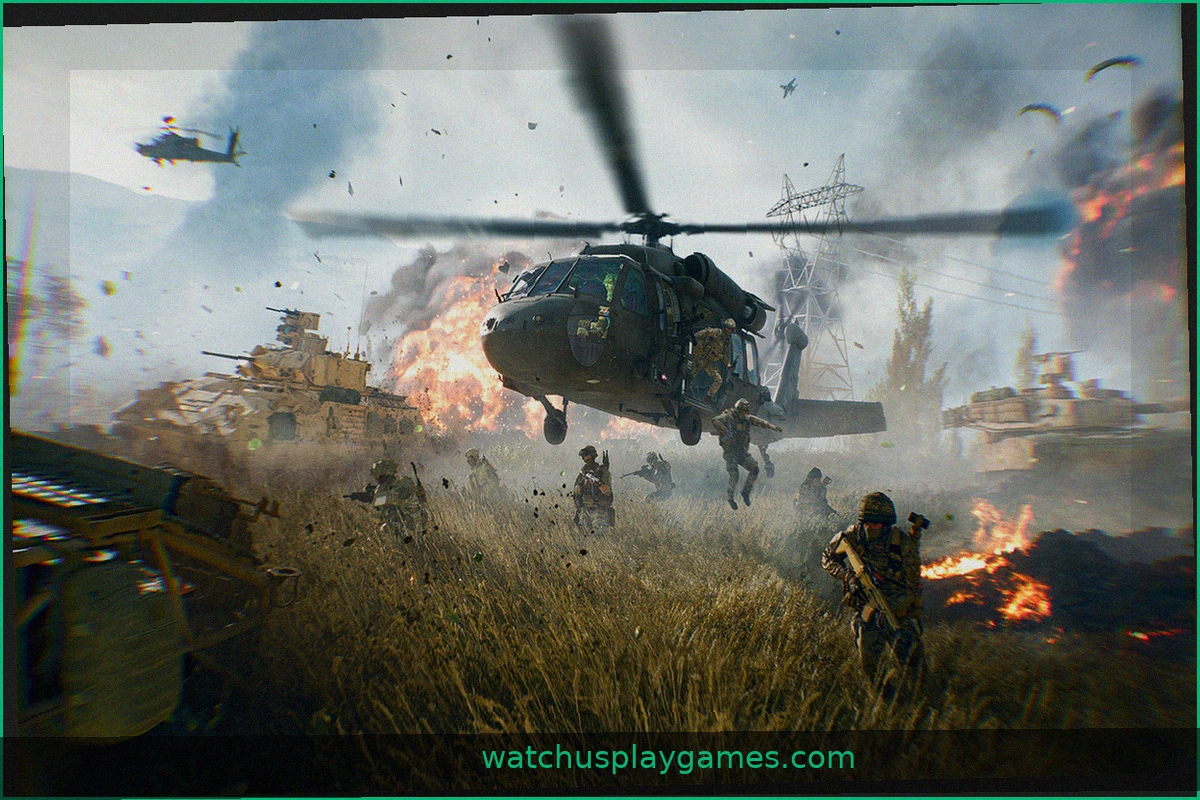
Live-service games often struggle to give lapsed players compelling reasons to return. Beyond a new battle pass, a few skins, or a short, familiar event, it's rare for a game to truly convince someone to reinstall after an extended break. Battlefield 6's Season 4, however, adopts a more effectiv
Actor Alex Jordan on Warhammer, Fantasy's Reign, and Warhammer 40K: Dawn of War IV as a Dream Project
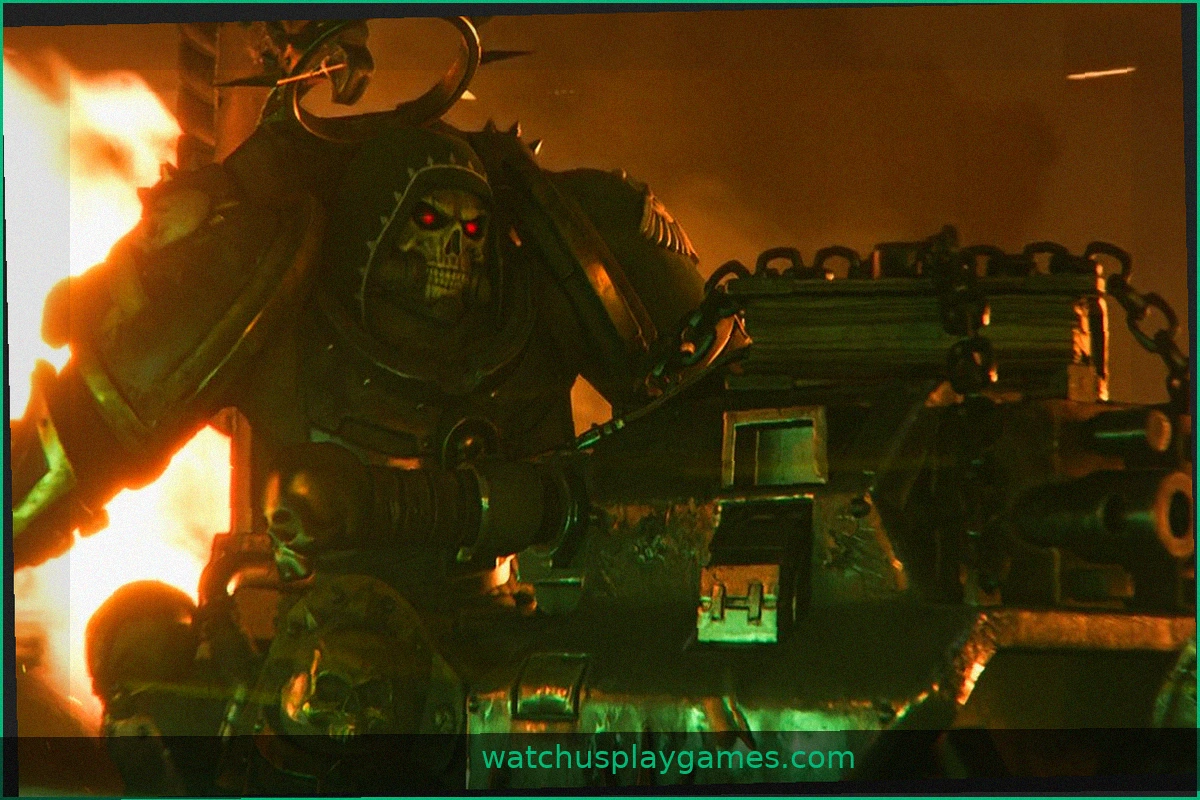
As the Warhammer universe continues its expansion, its rich narratives and vast content are captivating more individuals. The highly anticipated real-time strategy game, Warhammer 40,000: Dawn of War IV, is poised to be a significant addition to this legacy. The Dawn of War series has bee
Magic: The Gathering Welcomes Hatsune Miku with Exclusive Secret Lair Commander Deck
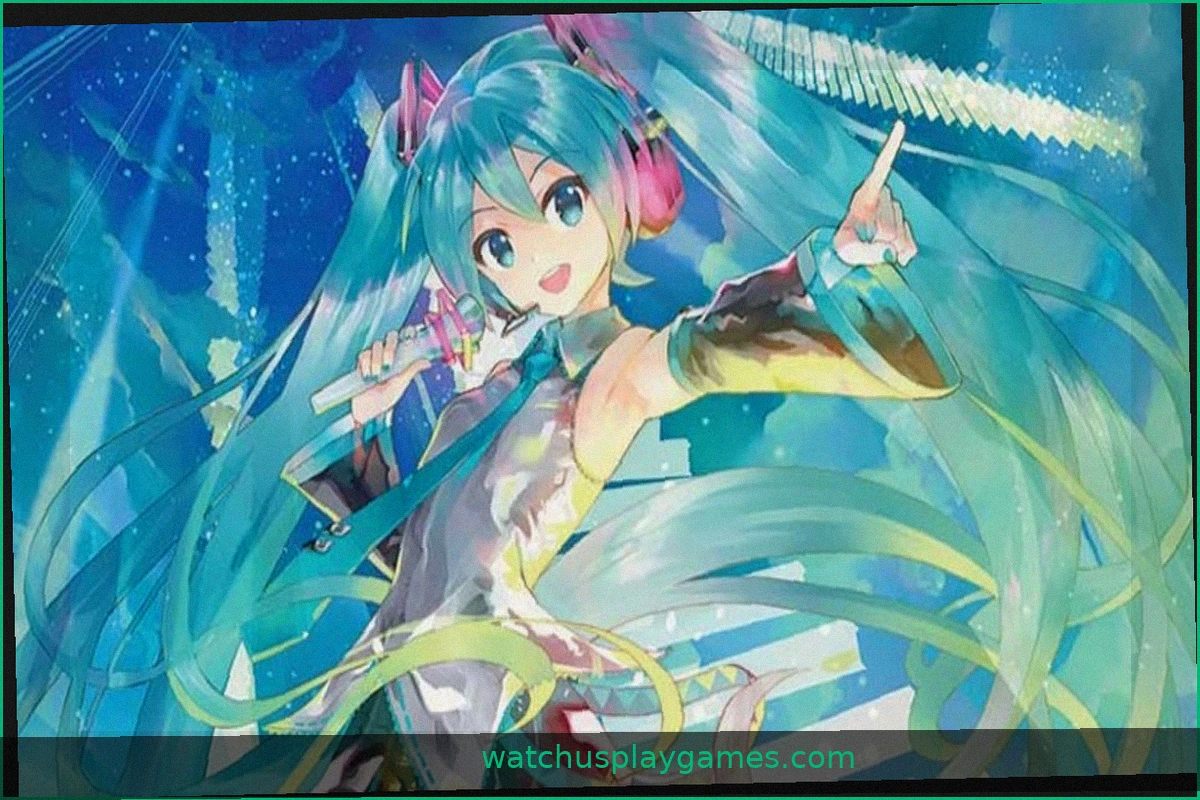
Magic: The Gathering is set to release a brand-new Commander pre-constructed deck featuring the internationally renowned virtual idol, Hatsune Miku. This exciting collaboration, part of the popular Secret Lair series, aims to make exclusive content more accessible to fans. Secret Lair has

EA SPORTS FC 27 Preview: Exciting New Features and Gameplay Enhancements
The annual release of sports simulation titles, such as EA SPORTS FC 27, presents a unique cycle for both developers and players. Gamers invest time in perfecting their in-game teams and save files, only to start anew with each new installment. Meanwhile, developers strive to maintain game bal
Why Your Phone Gets New Games Before Everyone Else’s
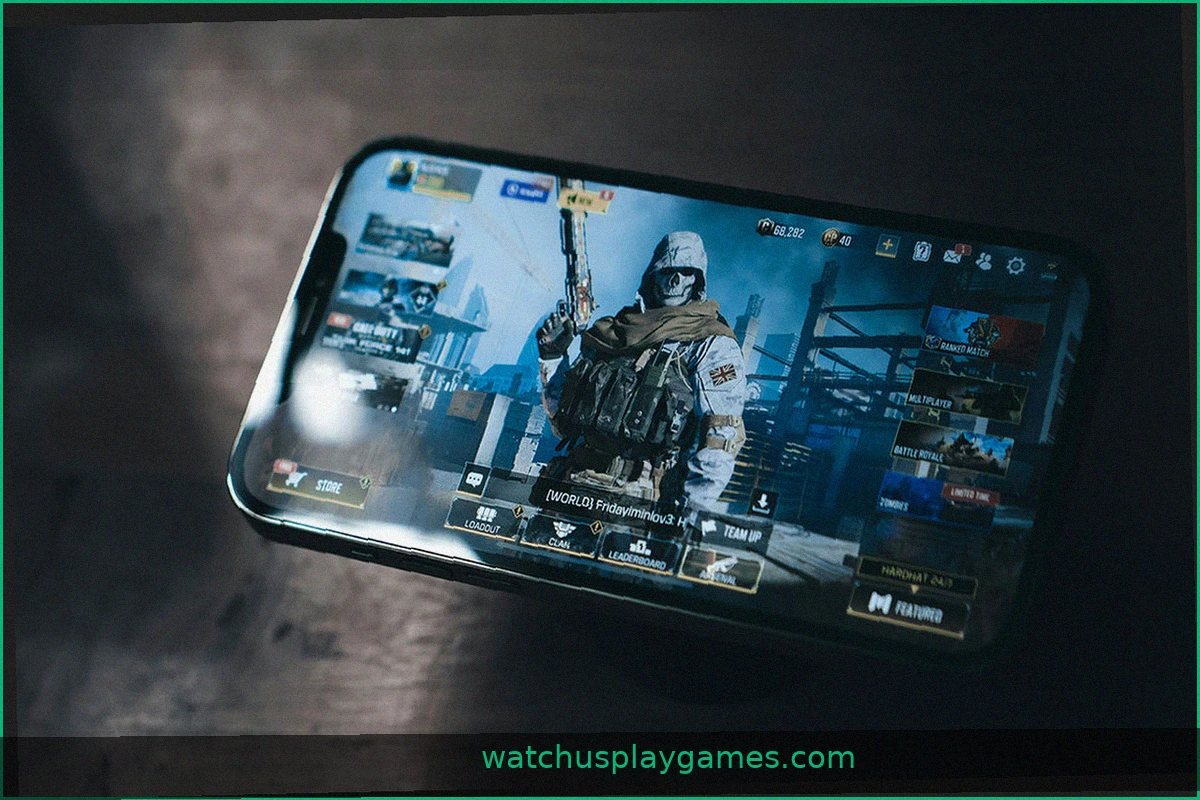
Many new mobile games are released in specific, smaller markets before a worldwide launch. This strategy, known as a "soft launch," allows developers to test games and gather crucial data before investing in a large-scale release. Countries like Australia, New Zealand, Canada, and the Philippi