Why Your Phone Gets New Games Before Everyone Else’s
Many new mobile games are released in specific, smaller markets before a worldwide launch. This strategy, known as a "soft launch," allows developers to test games and gather crucial data before investing in a large-scale release. Countries like Australia, New Zealand, Canada, and the Philippines are frequently chosen for these early releases. These locations are selected because their English-speaking populations and spending habits closely mirror those of major markets like the US and UK, while keeping high-revenue regions like the US, UK, Germany, and Japan free from this initial testing phase.
Australia's appeal as a soft-launch territory stems from a unique combination of factors. Despite its relatively small population, Australian gamers exhibit strong spending habits, comparable to larger markets. Data shows that Australia ranks high globally for mobile gaming in-app purchase revenue. This means developers can gather meaningful financial data from a smaller, yet dedicated, player base. Furthermore, the Australian gaming demographic consists largely of working-age adults, who are precisely the consumers whose spending behavior developers aim to understand.
Soft launches are not short beta tests; they can last from several months to over a year for major releases, and one to three months for smaller titles. During this period, the game is fully functional, accepting payments, receiving updates, and hosting events, all while being officially unavailable to the broader public. Developers closely monitor key performance indicators such as player retention rates on days one, seven, and thirty, using these metrics to determine readiness for a global rollout. Many successful games, including Clash Royale and Pokémon GO, have utilized this phased release strategy.
Identifying a soft-launched game is possible by observing a few key indicators. These include a game being available in select countries but not major ones, a small player base, quick matchmaking, frequent, unannounced changes to pricing or progression, and store descriptions mentioning beta or regional testing. Generous initial offers are also common, as developers anticipate that only a small percentage of early players will become significant spenders. Upon a game's official global release, progress from the soft launch is typically reset, though developers often offer refunds or in-game currency equivalents to compensate players.
The increasing competitiveness of the mobile gaming market has amplified the importance of effective soft launches. With declining download numbers but rising revenue per download, optimizing a game's economics before its worldwide debut is critical. Factors like comparable GDP per capita and similar average working hours between Australia and the US contribute to the reliability of data gathered from Australian players. The country's early adoption tendencies and geographic distance also add to its appeal for this testing phase.
The fact that Australia is a chosen soft-launch market highlights how mainstream gaming has become. Recent studies indicate a balanced gender split among Australian gamers, reflecting a diverse cross-section of the population rather than a niche subculture. As the mobile gaming landscape continues to evolve, with fewer downloads but greater revenue potential per player, countries that can reliably demonstrate a game's economic viability will remain crucial for developers. When you encounter a game on your device months before its international release, you are likely experiencing this carefully managed testing process.
Fresh materials — Gaming News
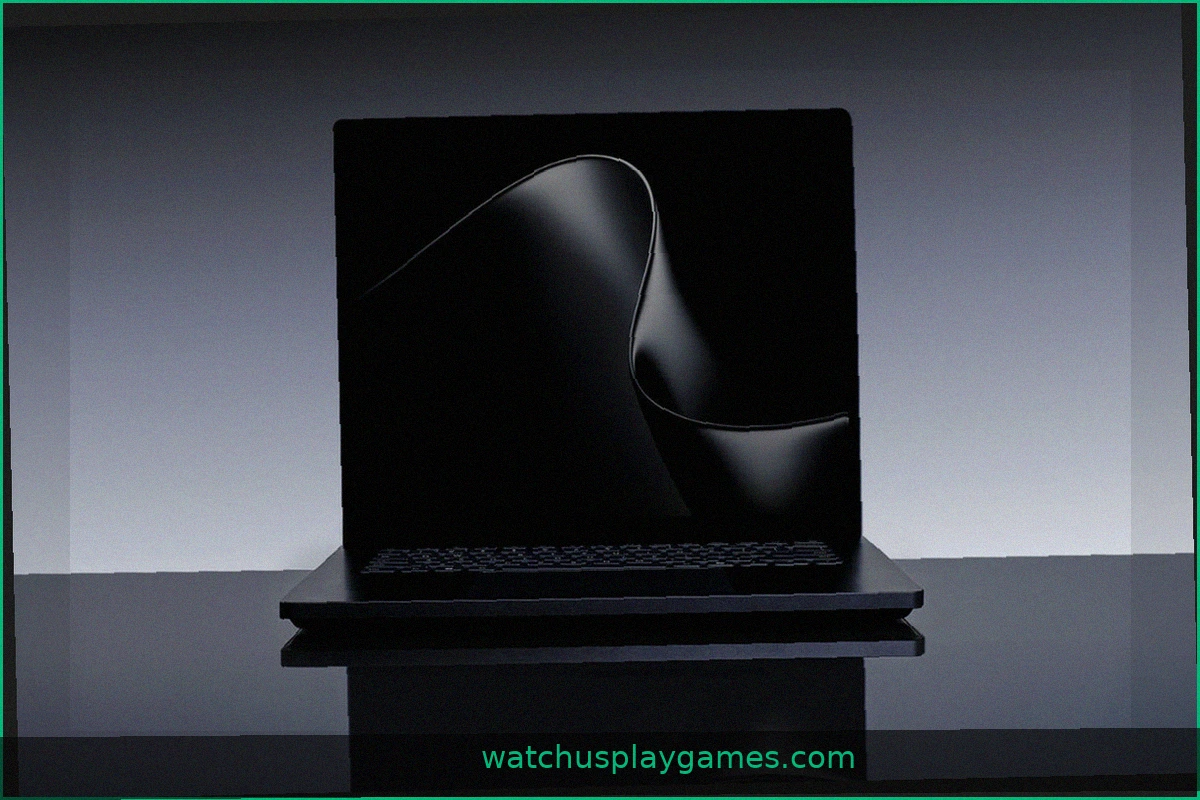
Microsoft Surface Laptop Ultra Integrates NVIDIA RTX Spark for AI Performance
Microsoft unveiled its latest Surface hardware, designed for the AI era. The new Surface Laptop Ultra and Surface RTX Spark Dev Box utilize NVIDIA's RTX Spark platform, large unified memory, and Microsoft's design principles. The Surface Laptop Ultra, a laptop,

Top 5 Underlooked Cards from Magic: The Gathering Reality Fracture for Commander Decks
As Magic: The Gathering players anticipate the Reality Fracture release, here are five essential cards to consider for your Commander decks that can turn the tide of a game. This set introduces Hexhaven, a distorted version of Strixhaven, featuring new takes on popular characters and comp

GUNNAR Optiks: Top Releases for 2026
GUNNAR Optiks has solidified its position beyond simple desk accessories, evolving its blue-light glasses into a robust collection for 2026. Initially designed to reduce eye strain during extended monitor use, the brand now offers a range balancing popular fandoms with everyday st

The Future of Consumer Tech: What Matters Now
New gadgets constantly promise to revolutionize our lives, but few deliver. Looking closer, a clearer picture emerges: the technology we use daily is becoming more personal, portable, and easier to operate. Here’s what's truly driving change. Devices That Truly Know You Our devices ha
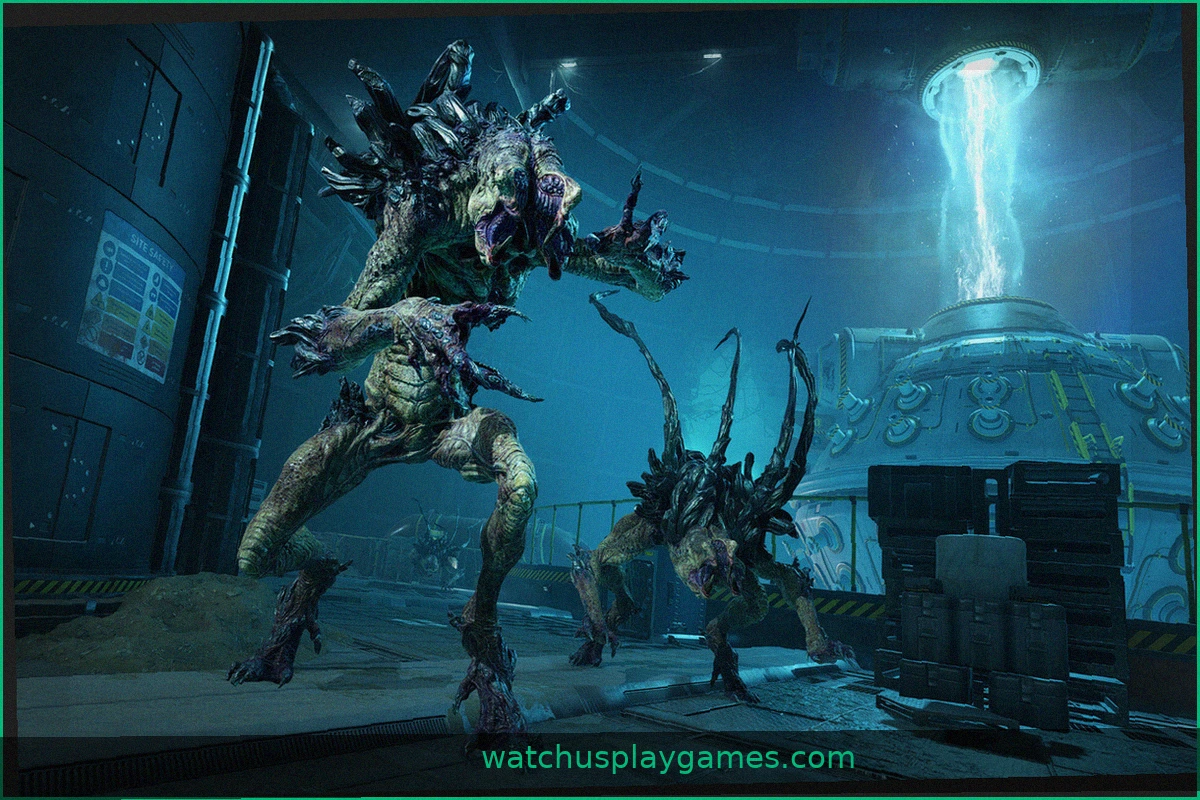
Alien Deathstorm: Gamescom 2026 Preview— Thirty Minutes of Pure Tension
At gamescom 2026, Rebellion’s upcoming title Alien Deathstorm delivered a surprisingly strong experience. The demo provided a compelling glimpse into the game, immediately drawing players in. Based on the current development, anticipation for its release is high. Alien Deathstorm shows promise

Gamescom 2026: NEO BERLIN 2087—An Indie Game with AAA Visuals
At Gamescom 2026, Elysium Game Studio presented NEO BERLIN 2087, a title slated for a 2028 release. A 30-minute playthrough offered a glimpse into the game's mechanics and combat, leaving a strong impression. The game's visual design is immediately striking. Futuristic environments are rend