Why Esports Professional Teams Are Investing in Content Creation and Streaming
Professional esports organizations are evolving beyond a sole focus on tournament victories. While competitive success remains crucial for reputation, the industry has increasingly embraced content creation and streaming as fundamental business strategies, rather than mere supplementary activities. A team's presence can be fleeting, with major matches offering only brief moments in the spotlight. Content bridges these gaps, providing fans with continuous engagement through streams, behind-the-scenes footage, player vlogs, challenge videos, podcasts, and social media updates. In the highly competitive esports landscape, capturing and retaining audience attention is paramount. Organizations that consistently engage their fanbase are better positioned for long-term relevance. This shift is particularly significant as many gaming entities seek to diversify beyond a single game title or competitive season, finding stability in robust content ecosystems.
Content Creation Diversifies Team Business Beyond Competition
The most forward-thinking teams recognize a crucial truth early on: fans are drawn not just to trophies, but to personalities. This is where streaming has revolutionized the model. A player who streams regularly can cultivate a loyal following that extends beyond their performance on match day. Viewers tune in for the individual player, their humor, their routines, their reactions, and the community they build. The same principle applies to creators signed by teams who may not even compete at the highest level.
This strategy opens up additional revenue streams for esports professional teams. Instead of solely relying on tournament prize money or performance-based sponsorships, they can now generate income through advertising, platform monetization, merchandise sales, membership models, and direct sponsorships tied to their content itself.
Streaming Enhances Gaming Organizations' Daily Visibility
While the esports calendar is packed, it isn't uniformly busy for every team. Even the largest esports organizations experience quieter periods. This presents a challenge if your audience only hears from you when a match is about to begin. A live stream can keep a team prominently visible on an ordinary Tuesday. A dedicated content creator can attract viewers from diverse geographic regions. A player can transform practice sessions, ranked ladder climbs, or casual gameplay into hours of valuable watch time. All these activities build familiarity, and familiarity often translates into lasting loyalty.
There's also a significant broader branding advantage. Competitive game titles often experience rapid peaks and sudden declines in popularity. If a major esports game loses momentum, a team with a strong stable of creators can adapt and pivot more quickly than one built exclusively for tournament play.
Leading Teams Are Building Media Brands, Not Just Rosters
Observing how many of the top esports teams operate today reveals an unmistakable pattern: they are not merely signing players; they are constructing intricate ecosystems. Some teams manage YouTube channels akin to full-fledged entertainment brands. Others invest in creator houses, produce documentary series, host live watch parties, or maintain regular community shows. The objective extends beyond simply reporting competitive outcomes; it's about making the team itself a compelling entity worth following.
This approach also helps teams connect with audiences who are not hardcore competitive viewers. Not every fan watches every tournament bracket. Many prefer bite-sized clips, reaction content, or personality-driven streams, catering to a broader spectrum of fan engagement.
Which Esports Teams Excel in Competitive Gaming?
The answer to this question is dynamic, varying significantly by game title, geographical region, and current competitive season. Some teams demonstrate dominance across multiple esports titles, while others achieve an exceptional reputation within specific games. Organizations with a consistent winning history in titles such as League of Legends, Counter-Strike, and Call of Duty are invariably part of this conversation.
However, it's crucial to acknowledge that winning a tournament doesn't guarantee long-term relevance. A team could win today and be largely forgotten tomorrow if it fails to resonate and build a connection with its fanbase.
Who Are Some of the Most Prominent Esports Teams?
The most prominent esports teams typically combine competitive success, global recognition, robust sponsorships, and a substantial content footprint. "Size" in this context isn't solely about the number of titles won; it's fundamentally about reach and influence.
A team with active creators, popular streamers, and vibrant fan communities can sometimes project a larger presence than a team with superior competitive results but weaker branding and less direct fan engagement. While this might seem counterintuitive or unfair, it's an undeniable reality in the modern esports landscape.
Why Is Esports So Popular?
Esports' widespread popularity stems from its unique blend of intense competition, engaging entertainment, strong community aspect, and remarkable accessibility. Fans can immerse themselves in high-level matches, follow their favorite personalities, and crucially, play the very same games themselves.
This last point holds more significance than often acknowledged. Unlike traditional sports fans who cannot step onto an NBA court after watching a game, esports enthusiasts can log in and compete immediately after a professional broadcast concludes. This fosters a much tighter, more personal connection between the viewer and the game.
For teams, this means the audience desires more than just results. They crave access, personality, and daily interaction. This is precisely why content creation and streaming have become central to contemporary team strategy.
Teams are not abandoning competition; rather, they are building robust ecosystems around it. In today's market, this integrated approach appears far more sustainable than solely pursuing trophies.
Fresh materials — Gaming News
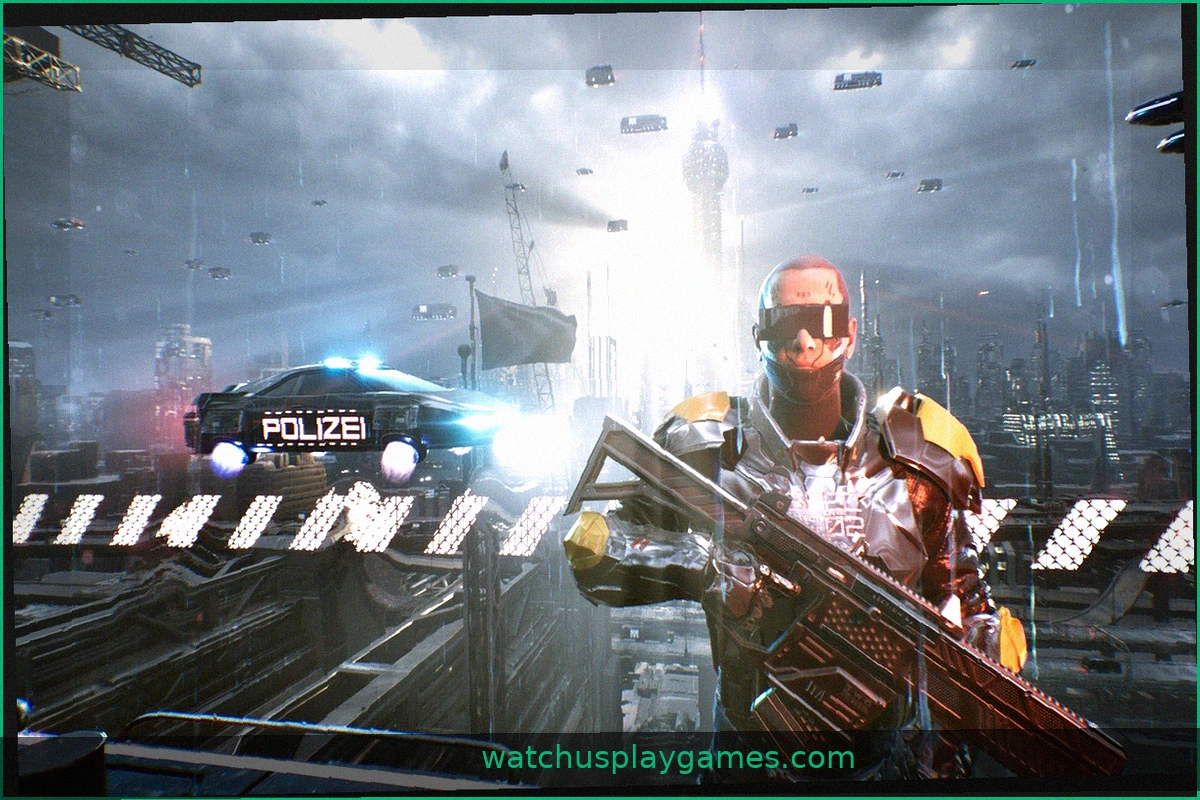
Gamescom 2026: NEO BERLIN 2087—An Indie Game with AAA Visuals
At Gamescom 2026, Elysium Game Studio presented NEO BERLIN 2087, a title slated for a 2028 release. A 30-minute playthrough offered a glimpse into the game's mechanics and combat, leaving a strong impression. The game's visual design is immediately striking. Futuristic environments are rend
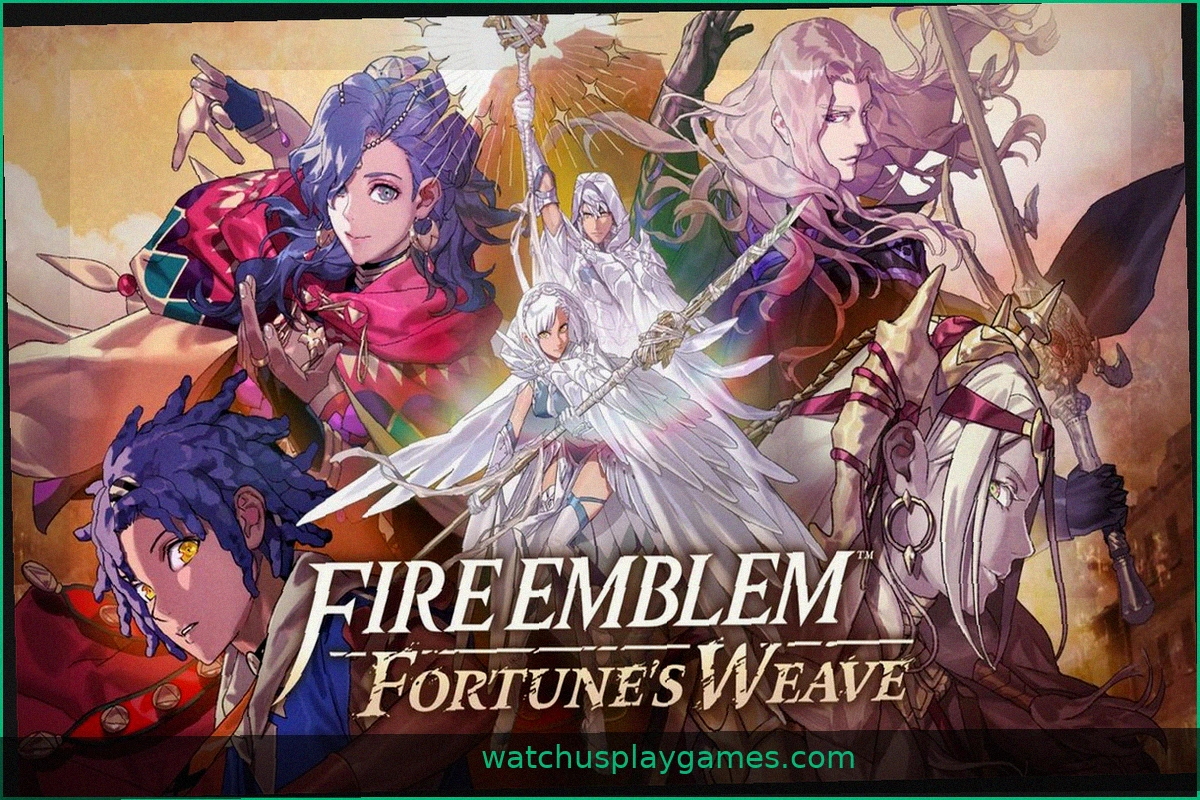
Fire Emblem: Fortune's Weave on Nintendo Switch 2 Revives Core Fan Favorites
Fire Emblem: Fortune's Weave, released September 17, 2026, exclusively for the Nintendo Switch 2, marks a significant evolution for the Fire Emblem franchise. It builds upon the foundations of Fire Emblem: Three Houses and Fire Emblem Engage, expanding the narrative possibilities within the se
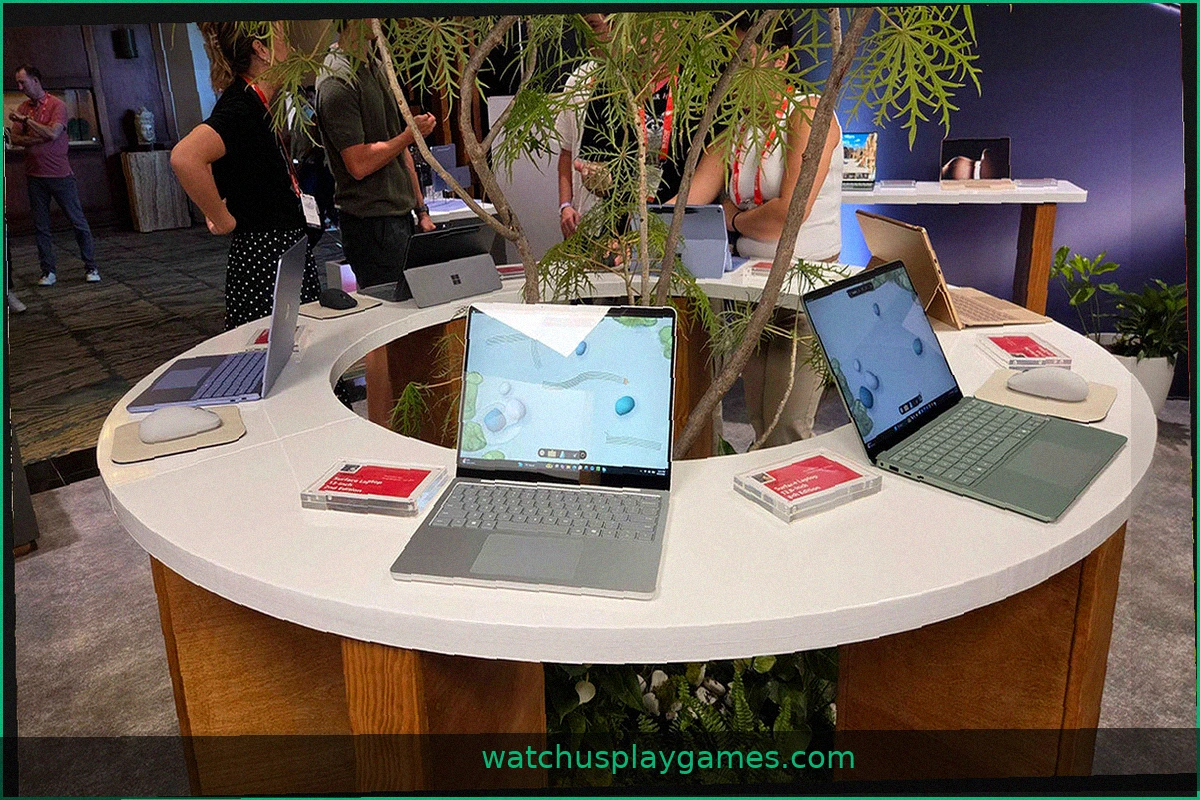
Microsoft Launches New Surface Devices with Snapdragon X2 Plus
Microsoft unveiled its latest Surface portable hardware at Snapdragon Summit, featuring new Surface Pro and Surface Laptop models powered by the Snapdragon X2 Plus chip. The updated 12-inch Surface Pro and 13-inch Surface Laptop are built around Qualcomm’s new Snapdragon X2 Plus processor
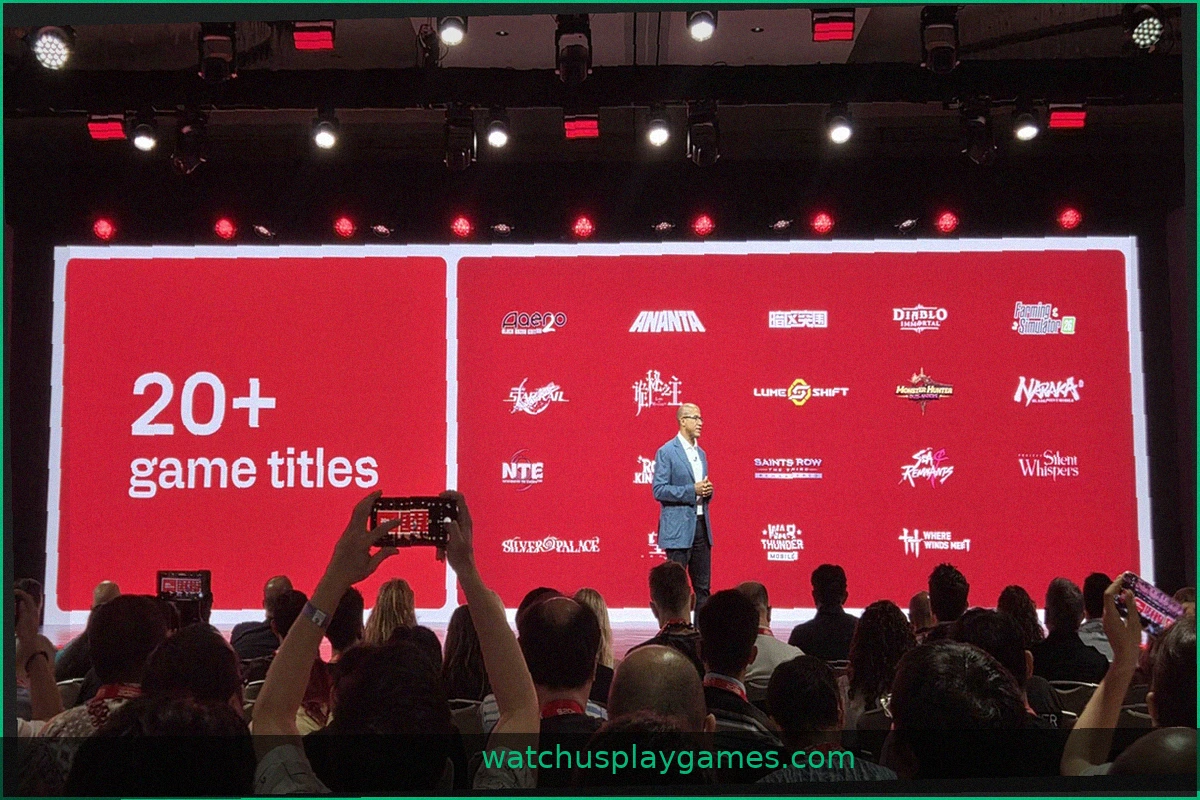
Qualcomm Expands Mobile Capabilities for Gaming and Content Creation with Snapdragon 8 Elite Gen 6
Qualcomm is pushing mobile gaming and content creation further with its latest Snapdragon Summit announcements. The company revealed new features for its Snapdragon 8 Elite Gen 6 SoC, promising better frame rates, enhanced visuals, and expanded smartphone functionality for these uses. For g
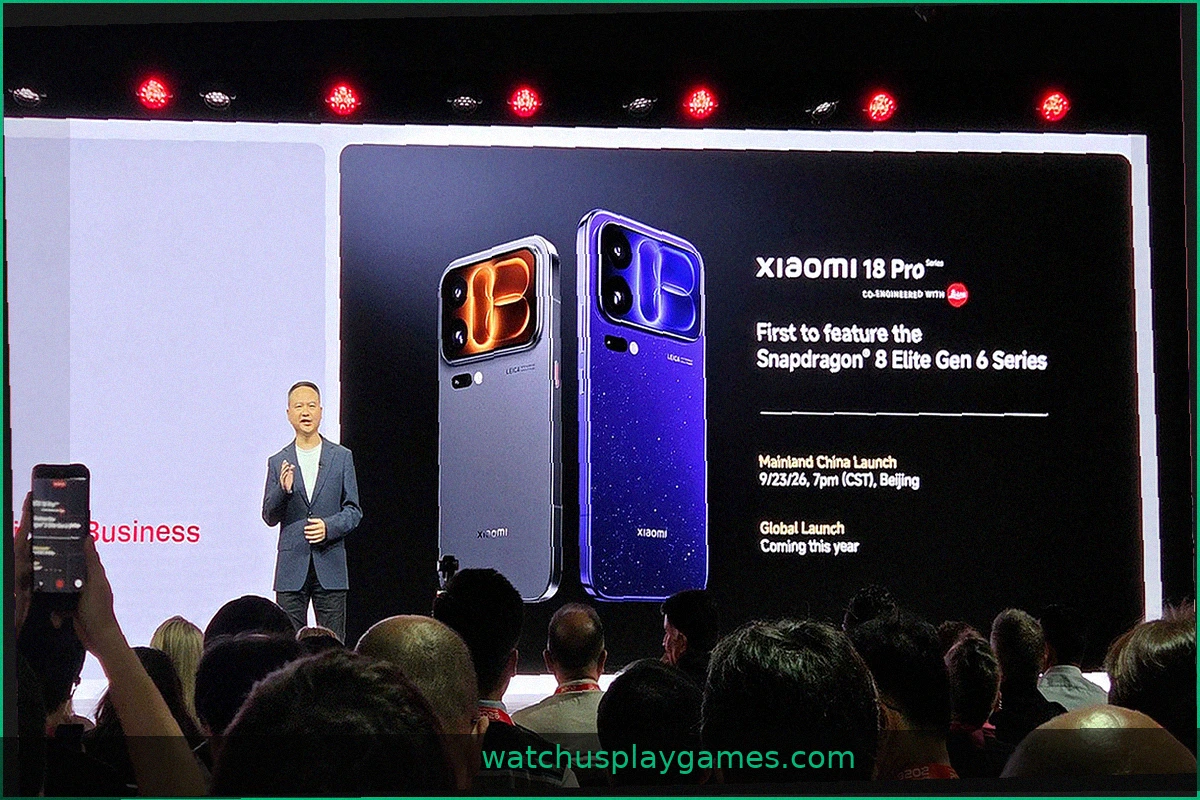
Xiaomi 18 Pro and Pro Max: Qualcomm's Latest Snapdragon Chips Debut Globally
Xiaomi introduced its new flagship phones, the Xiaomi 18 Pro and Pro Max, at the Snapdragon Summit in Hawaii. These devices are among the first to incorporate Qualcomm’s newest high-end processors. Qualcomm announced its latest mobile chip advancements at the summit. Xiaomi's CEO, Adam Zeng
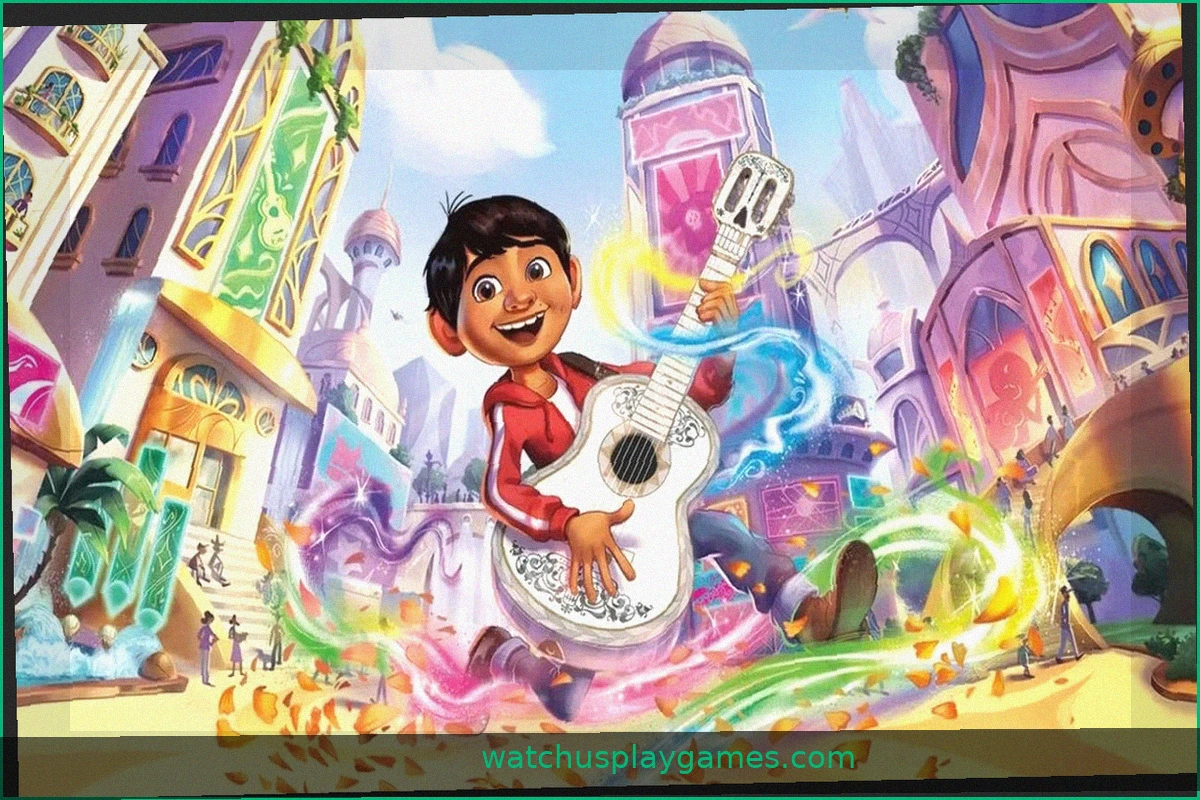
Lorcana's Hyperia City: New Set Introduces Ink Drops Mechanic
The trading card game Disney Lorcana is set to launch its 14th set, Hyperia City, in October. This expansion focuses on a metropolis where magic, technology, and magic inks converge. The city draws inspiration from Disney's animation history and its theme parks, embodi