The Future of Consumer Tech: What Matters Now
New gadgets constantly promise to revolutionize our lives, but few deliver. Looking closer, a clearer picture emerges: the technology we use daily is becoming more personal, portable, and easier to operate. Here’s what's truly driving change.
Devices That Truly Know You
Our devices have become remarkably intuitive. Your phone's photo app now organizes pictures automatically, and its predictive text often anticipates your needs. Streaming services learn your preferences, offering comfort rewatches just when you want them. Even quick information searches, like checking the latest currency exchange rates, are faster as devices learn your habits. Much of this processing now happens directly on the device, enhancing both speed and privacy.
Research confirms this trend: consumers expect personalized, on-demand experiences, with younger generations leading the way in adopting new formats. Chipmakers are responding by focusing on hardware for AI tasks, while long battery life and transparent privacy controls are becoming key selling points.
Wearables and Headsets Mature
Once seen as niche, expensive gadgets, mixed reality headsets are evolving. They are becoming lighter, feature sharper passthrough cameras, and improved hand tracking that often removes the need for controllers. Smart glasses are following a similar path.
Wearable devices have also advanced significantly. Smartwatches and rings now go beyond simple step counting, offering detailed sleep and recovery tracking, and alerting you to potential health anomalies. The true test for these devices is their comfort and their ability to solve real-world problems. Experiencing a film on a large virtual screen during a flight or receiving navigation prompts without needing your phone is a compelling use case. Gadgets that are quickly abandoned are not.
Gaming Continues to Pioneer New Tech
Gaming remains a crucial testing ground for emerging technologies. Cloud streaming now allows demanding games to be played on phones or smart TVs without requiring new hardware. The rise of handheld PCs highlights the demand for mobile gaming experiences. AI tools are also accelerating game development, particularly for independent studios.
Player expectations have also shifted. Cross-platform play and synced progress, once considered bonuses, are now essential. Users expect their digital acquisitions—whether bought, earned, or unlocked—to be accessible across all their devices.
The Question of Digital Ownership
The desire to “take it with you” fuels the ongoing discussion about digital ownership. The frustration of losing access to a game library or a digital item when a platform closes is well-known. This raises the question of who truly controls our digital assets. Blockchain technology is one of several solutions being explored by developers, offering a way to record ownership independent of a single company. Open standards and shared account systems are also being tested.
While the usability, scalability, and regulatory aspects are still being addressed, the core benefit for users is clearer: easier transactions, digital goods that travel with them, and reduced barriers between platforms. For many, the underlying technology is less important than the practical outcome of seamless digital integration.
Looking Ahead
The next few years won’t be defined by a single product. The real innovation lies in how AI, faster connectivity, improved hardware, and new ownership models converge. Products that make these advancements feel effortless will lead the way.
When considering new technology, ask practical questions: How is the battery life? What happens to your data? Is it truly worth the cost? The answers often determine what becomes mainstream and help cut through marketing hype.
It’s also wise to consider how a product integrates into your daily routine, rather than how it appears in promotional materials. Will you use it consistently, or only for occasional demonstrations? Ensuring it works well with your existing phone, console, or computer is crucial, as a device that functions in isolation but poorly with other tech quickly becomes a source of frustration.
Reviews from users who have lived with a product for several weeks generally offer more practical insights than initial impressions. Patience can also lead to better software updates and a more favorable price point.
Fresh materials — Gaming News
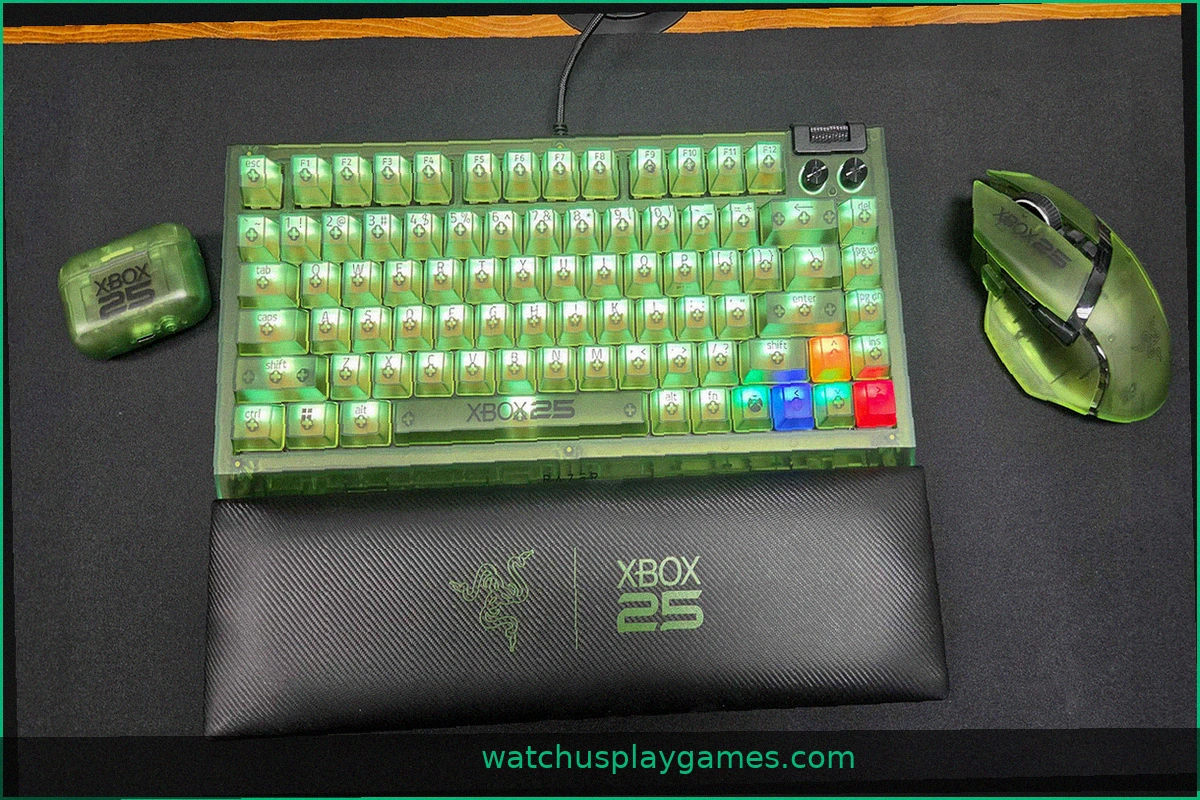
Razer Releases Limited Edition Xbox 25th Anniversary Collection
Razer and Xbox have launched a special 25th Anniversary Collection, drawing inspiration from the original 2001 Xbox console. This limited edition series brings a retro aesthetic to modern gaming gear. Since its 2001 debut, Xbox has introduced many popular game franchises. To mark its 25th
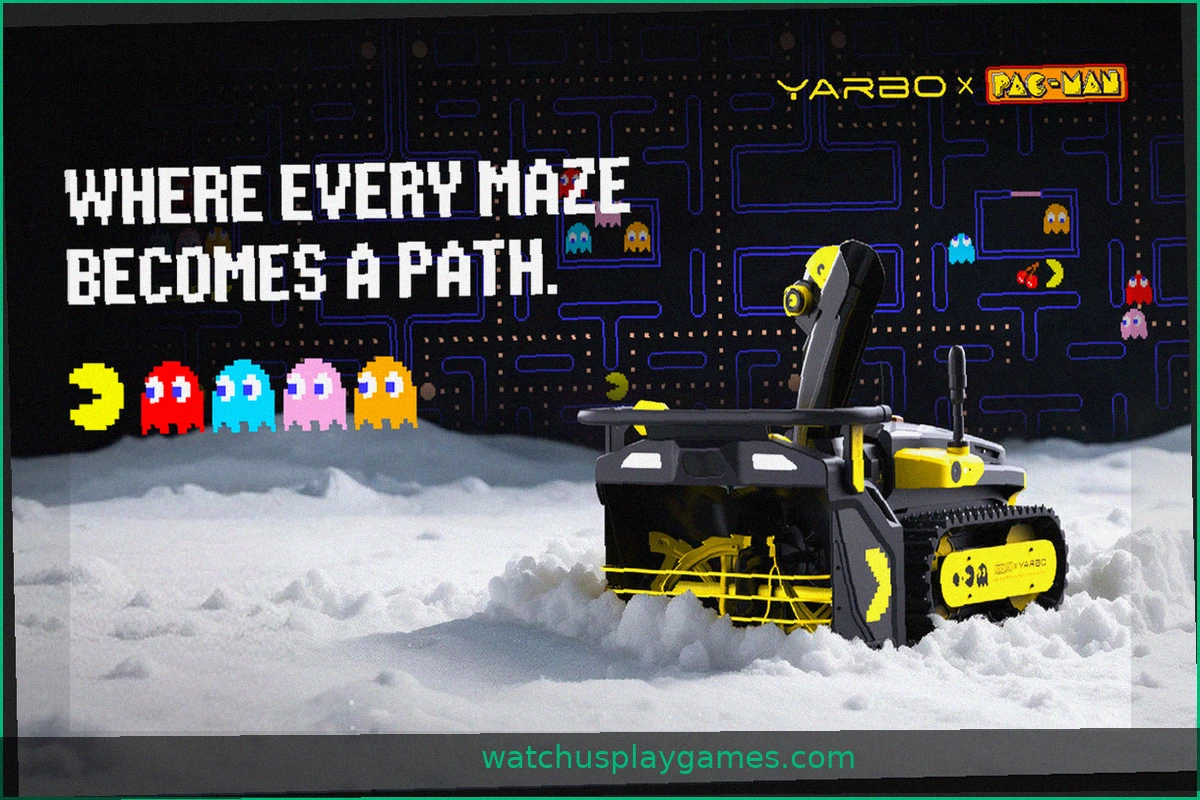
PAC-MAN and Yarbo Team Up for Snow Clearing
Yarbo, a robotics company, partnered with PAC-MAN for a special edition of its snow-clearing technology. This collaboration aims to make winter yard work more enjoyable. The limited-edition Yarbo Y40 Core and Snow Blower Gen 2 feature PAC-MAN-themed design elements. These unit
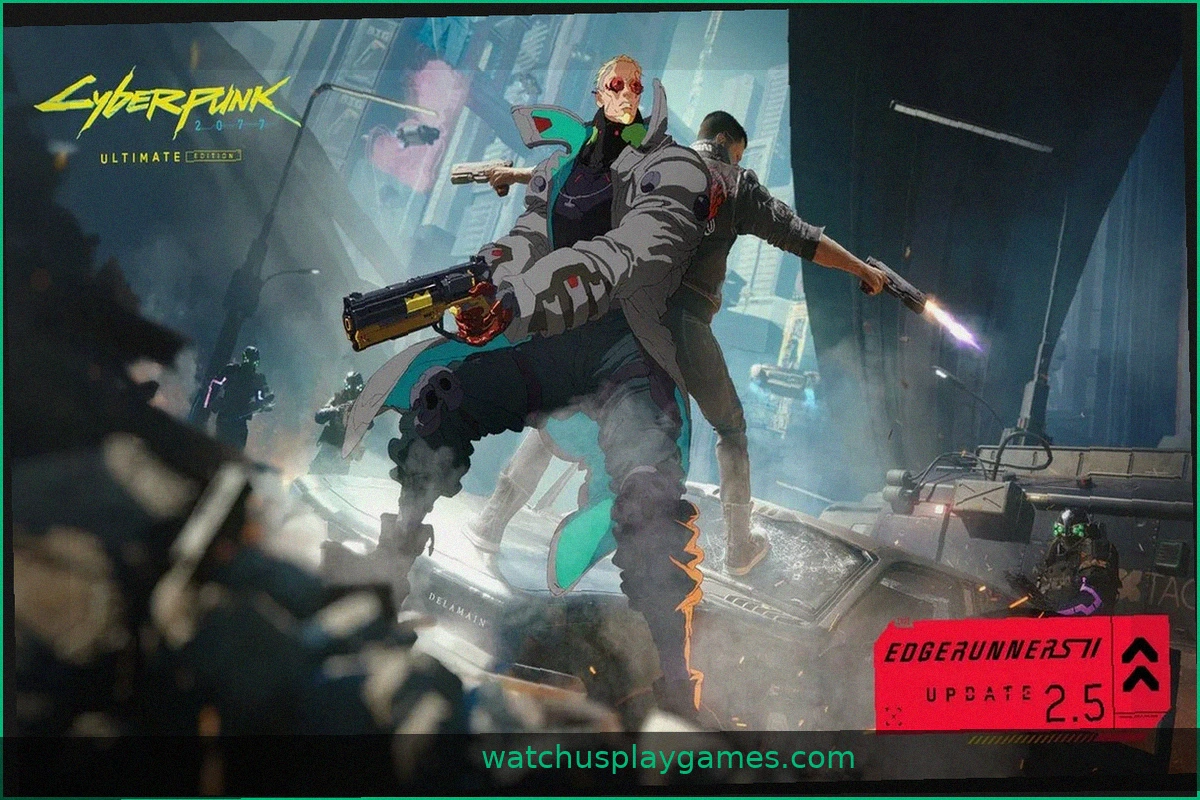
Cyberpunk 2077 Receives Major Edgerunners 2 Update on October 22
CD Projekt RED is releasing its most substantial Cyberpunk 2077 update since the Phantom Liberty expansion: Update 2.5, arriving this week. Following the free remaster of The Witcher 3: Wild Hunt, CD Projekt RED is refocusing on Cyberpunk 2077. This comes after game director Gabe Amatange
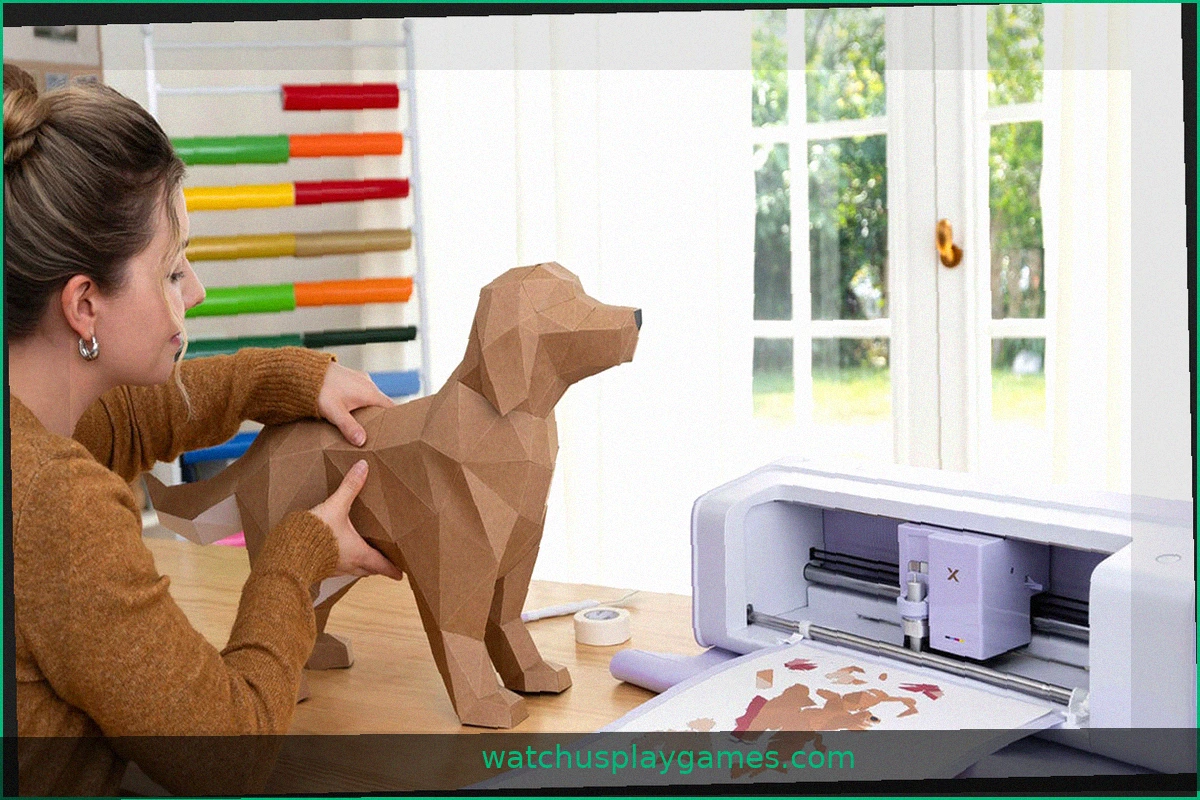
xTool C1: All-in-One Desktop Printer, Scanner, and Cutter
The xTool C1 Color Cutter aims to streamline traditional crafting by merging printing, scanning, and precise blade cutting into one desktop machine. xTool, known for its popular desktop laser engravers, introduces the C1 Color Cutter, a device that integrates scanning, full-color pri
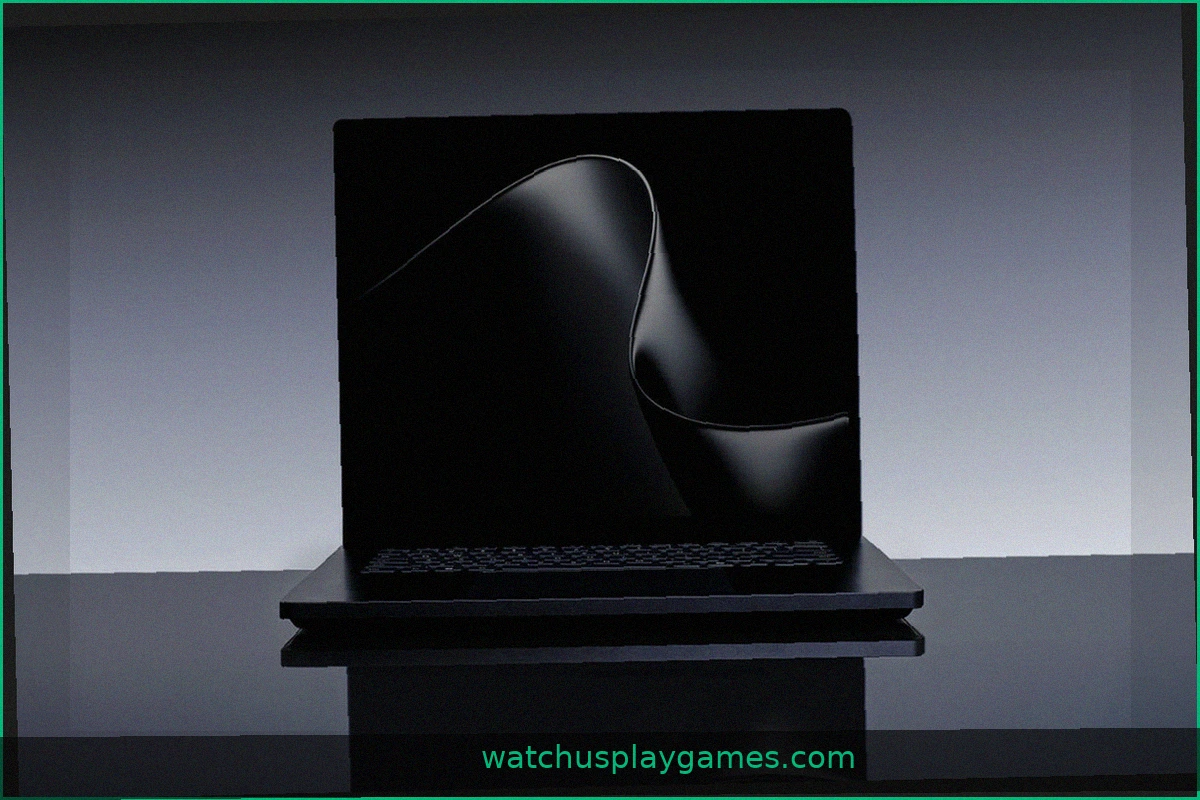
Microsoft Surface Laptop Ultra Integrates NVIDIA RTX Spark for AI Performance
Microsoft unveiled its latest Surface hardware, designed for the AI era. The new Surface Laptop Ultra and Surface RTX Spark Dev Box utilize NVIDIA's RTX Spark platform, large unified memory, and Microsoft's design principles. The Surface Laptop Ultra, a laptop,

Top 5 Underlooked Cards from Magic: The Gathering Reality Fracture for Commander Decks
As Magic: The Gathering players anticipate the Reality Fracture release, here are five essential cards to consider for your Commander decks that can turn the tide of a game. This set introduces Hexhaven, a distorted version of Strixhaven, featuring new takes on popular characters and comp