STRANGER THAN HEAVEN Hands-On Preview: Two Hands, Infinite Possibilities
Heading into Summer Game Fest, the expectation was that STRANGER THAN HEAVEN would impress with its setting and narrative. Ryu Ga Gotoku Studio is renowned for crafting immersive, lifelike environments, from Kamurocho's neon glow to Sotenbori's tourist charm and Hawaii's sun-drenched streets. The game's trailers have consistently showcased a mysterious, unplaceable atmosphere and a non-linear timeline that has yet to be fully explained, suggesting that the intrigue and world-building would be the main draw.
However, after experiencing the combat demo, the focus shifted entirely to the controller and its innovative control scheme. This hands-on preview of STRANGER THAN HEAVEN revealed a control system that might be the most compelling aspect seen all week, even amidst numerous high-profile announcements.
Action games typically adhere to a standard controller paradigm: face buttons for light and heavy attacks, a dodge button, and perhaps a jump. Special moves are usually mapped to trigger and button combinations. Once familiar with this convention, players can intuitively grasp most games in the genre.
In contrast, STRANGER THAN HEAVEN departs from the arcade-style combat of previous Yakuza titles, leaning more towards a FromSoftware-esque approach.
The game's control scheme assigns each trigger to one of the character's hands. The left bumper and trigger control the left side of the body, while the right bumper and trigger manage the right. While this might sound complex on paper, potentially requiring extensive retraining and a bit of luck, it feels remarkably natural and intuitive upon actually holding the controller.
The impact of this control scheme on combat encounters is significant. In the three fights experienced, the gameplay transitioned from frantic button-mashing to a more strategic approach. Players can use one hand to create space with a jab and follow up with a heavier strike from the other. A grab can seamlessly transition into another action depending on the player's subsequent input. This creates a constant, low-level decision-making process during every exchange, maintaining a high level of engagement.
Going into the preview, there was an apprehension about a steep learning curve with this unconventional control scheme, especially within a Yakuza-style game. The trailers hinted at a potentially awkward setup that would require significant adaptation. However, this apprehension proved unfounded. The logic of the controls became clear within a minute, and once grasped, the interplay between movement, spacing, and individual attacks felt as intuitive as systems found in Dark Souls—not in tone or pace, but in the rewarding sensation of a system that demands and rewards player attention.
There's a crucial distinction between a mechanic that is noticeable and one that fades into the background. Many games struggle to move beyond the initial phase, where players are constantly aware of the system and working around its limitations. The most successful mechanics become subconscious, allowing players to focus purely on making choices. Based on the demo, STRANGER THAN HEAVEN appears to achieve this latter stage, and potentially faster than most.
“But the control scheme that I learned during my STRANGER THAN HEAVEN preview might be the single most interesting thing I saw all week…”
This is particularly important given how action games often become repetitive over long play sessions, with players relying on a single effective combo. The two-handed system in STRANGER THAN HEAVEN seems designed to counteract this. With each hand acting independently, there's no single dominant attack string to fall back on. Every fight in the demo felt genuinely unpredictable, not due to a loss of control, but because the sheer number of possible responses at any given moment prevents patterns from solidifying.
Games that make players feel powerful are common. However, games that maintain moment-to-moment engagement are rarer. STRANGER THAN HEAVEN aims for both, and based on the preview, it is close to achieving this goal.
The physicality and brutality of the combat contribute significantly to its impact. RGG Studio has a talent for making violence feel visceral, and this is fully realized in STRANGER THAN HEAVEN. Hits carry weight, enemy reactions are authentic, and the fights possess a raw, unpolished quality that aligns with the game's tone. These aren't choreographed martial arts displays; they feel like desperate struggles for survival where the situation can devolve at any second. The independent-hand control scheme effectively amplifies this sense of controlled chaos.
It would have been easy for RGG Studio to deliver another polished, familiar action game. However, they have opted for a design that might initially challenge players but ultimately rewards them with a deeply engaging system in the long run. This is a more ambitious and far more interesting approach.
The initial expectation for this preview was to be captivated by the setting and mystery. While these elements remain compelling, it is the combat system that has left the most lasting impression. This innovative combat is the reason STRANGER THAN HEAVEN has significantly climbed the list of most anticipated games.
STRANGER THAN HEAVEN is set to launch on January 15th, 2027, for PlayStation 5, XBOX Series X|S, and PC.
English Translation and Paraphrasing:
Going into Summer Game Fest, I anticipated that STRANGER THAN HEAVEN would primarily impress with its world and story. This is typical for Ryu Ga Gotoku Studio, a team known for creating incredibly realistic game worlds, from the vibrant neon streets of Kamurocho and the tourist allure of Sotenbori to the sun-baked avenues of Hawaii. Every trailer for this game has emphasized a strange, undefinable atmosphere and a fragmented timeline that has yet to be fully elucidated, suggesting that mystery and world-building would be its defining features.
Instead, my experience with the combat demo left me overwhelmingly focused on the controller in my hands. This was an unexpected outcome, both in terms of what I anticipated writing and what I felt. However, the control scheme I encountered during my STRANGER THAN HEAVEN preview might just be the most groundbreaking element I witnessed all week, and this is stated with full awareness of the significant, high-budget announcements competing for attention in the same venue.
Action games generally operate under a shared understanding of how controllers should function and feel. Typically, a face button is assigned to a light attack, another to a heavy attack, one for dodging, and perhaps, if fortunate, a jump. Special abilities are then layered onto combinations of triggers and face buttons. Once you learn this fundamental grammar, you can essentially navigate any game within the genre.
STRANGER THAN HEAVEN feels less like an arcade action game, such as the earlier Yakuza titles, and more akin to a FromSoftware game.
The control scheme maps each trigger to one of the character's hands. The left bumper and trigger govern the left side of the body, while the right bumper and trigger manage the right side. On paper, this concept could easily devolve into a chaotic mess, requiring significant controller re-education and a fair bit of luck. In practice, however, once you actually grip the controller, it quickly becomes familiar and feels almost immediately natural.
The effect this control scheme has on combat encounters is difficult to overstate. In the three fights I played, combat transformed from a chaotic series of button presses into a situation where strategic positioning became paramount. You can jab with one hand to create distance and then follow up with a more powerful strike from the other. A grab doesn't have to be a static move; it can seamlessly transition into another action based on your subsequent input. This fosters a constant, low-level decision-making process throughout every engagement, and it rarely lets up.
I approached the preview prepared for a steep learning curve, anticipating the need to adapt to a different control scheme within a Yakuza game. Based on the trailers, I assumed there would be a period of mental adjustment to a potentially awkward control setup. However, this never materialized. The logic of the controls clicked within about a minute, and once it did, the relationship between movement, positioning, and individual attacks felt intuitively integrated in a way that, surprisingly, reminded me of Dark Souls. This comparison isn't about tone or pacing, but about that specific sensation of a system that rewards attentive play.
There's a significant difference between a mechanic you consciously notice and one that you cease to notice altogether. Many games never progress beyond the initial stage, where players are perpetually aware of the system and trying to work around its limitations rather than through them. The truly exceptional ones eventually fade into the background, leaving only the player's choices at the forefront. From my experience with the demo, STRANGER THAN HEAVEN falls into the latter category, and it appears to achieve this transition more rapidly than most.
This is crucial because of what typically happens in action games during extended play. Players discover a successful combo and rely on it exclusively. Encounters then begin to blur into repetitive exchanges with enemies. The dual-hand system here seems specifically designed to prevent this stagnation. Because each hand operates independently, there isn't a single dominant attack sequence to fall back on. Every fight I participated in possessed a genuine sense of unpredictability, not because I felt out of control, but because there were simply too many available responses at any given moment for a predictable pattern to fully emerge.
Games that make players feel powerful are commonplace. However, games that maintain genuine engagement on a moment-to-moment basis are far rarer. STRANGER THAN HEAVEN is striving for both, and based on what was observed, it is remarkably close to achieving this.
The visceral and brutal nature of the combat helps to sell the experience. RGG Studio has always excelled at making violence feel impactful, and this is fully evident here. Strikes land with satisfying weight, enemies react realistically, and the fights themselves possess a raw, unpolished quality that perfectly suits the game's tone. These encounters don't resemble choreographed martial arts performances; they feel like genuine struggles for survival where anything could happen at any second, and the independent-hand control scheme effectively enhances this depiction of chaotic intensity.
It would have been entirely acceptable for RGG Studio to create another excellent, familiar action game and consider it a success. No one would have objected. Instead, they have developed something that risks alienating players in the initial stages for the sake of a system that promises significant rewards over the long term. This is a more challenging endeavor, and a considerably more interesting one.
I entered this preview expecting the setting and the mystery to be the most memorable aspects. These elements are still present and undeniably captivating. However, it is the combat system that has stayed with me since the demo concluded, and it is the primary reason why STRANGER THAN HEAVEN has dramatically risen on my list of most anticipated titles.
STRANGER THAN HEAVEN is scheduled for release on January 15th, 2027, for PlayStation 5, XBOX Series X|S, and PC.
Fresh materials — Gaming News
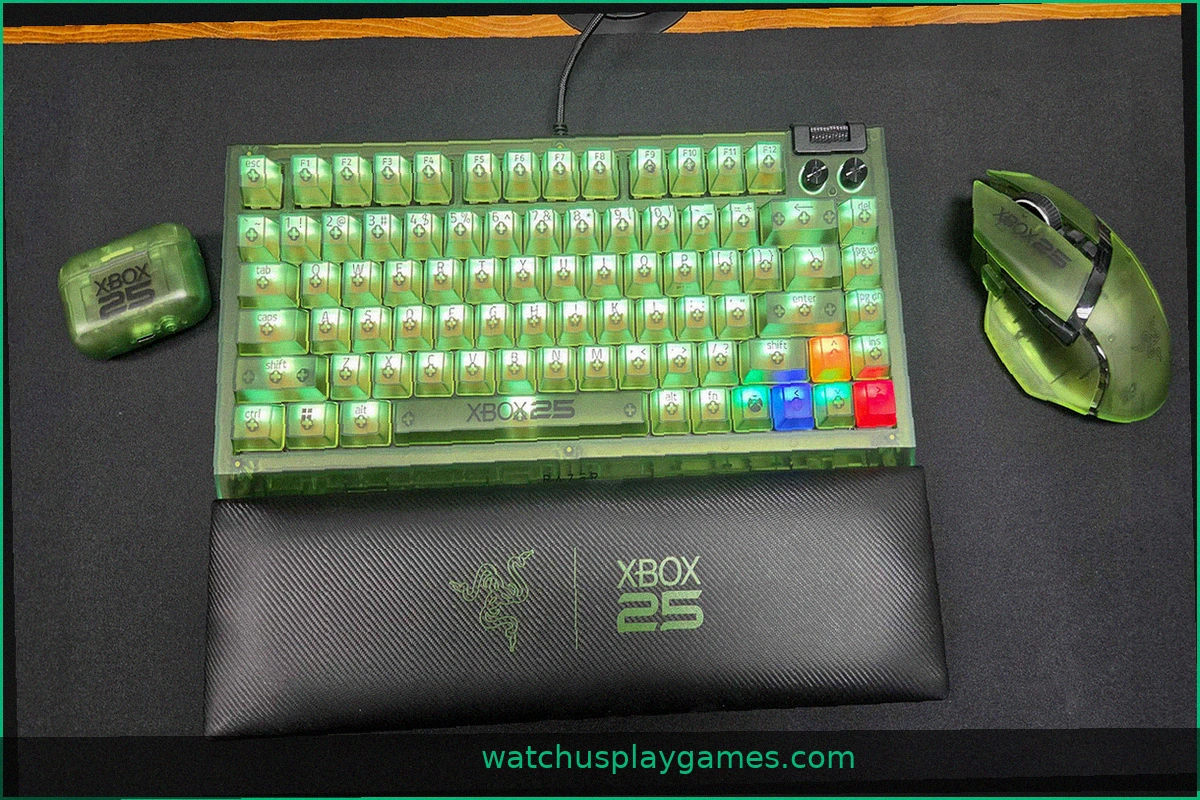
Razer Releases Limited Edition Xbox 25th Anniversary Collection
Razer and Xbox have launched a special 25th Anniversary Collection, drawing inspiration from the original 2001 Xbox console. This limited edition series brings a retro aesthetic to modern gaming gear. Since its 2001 debut, Xbox has introduced many popular game franchises. To mark its 25th
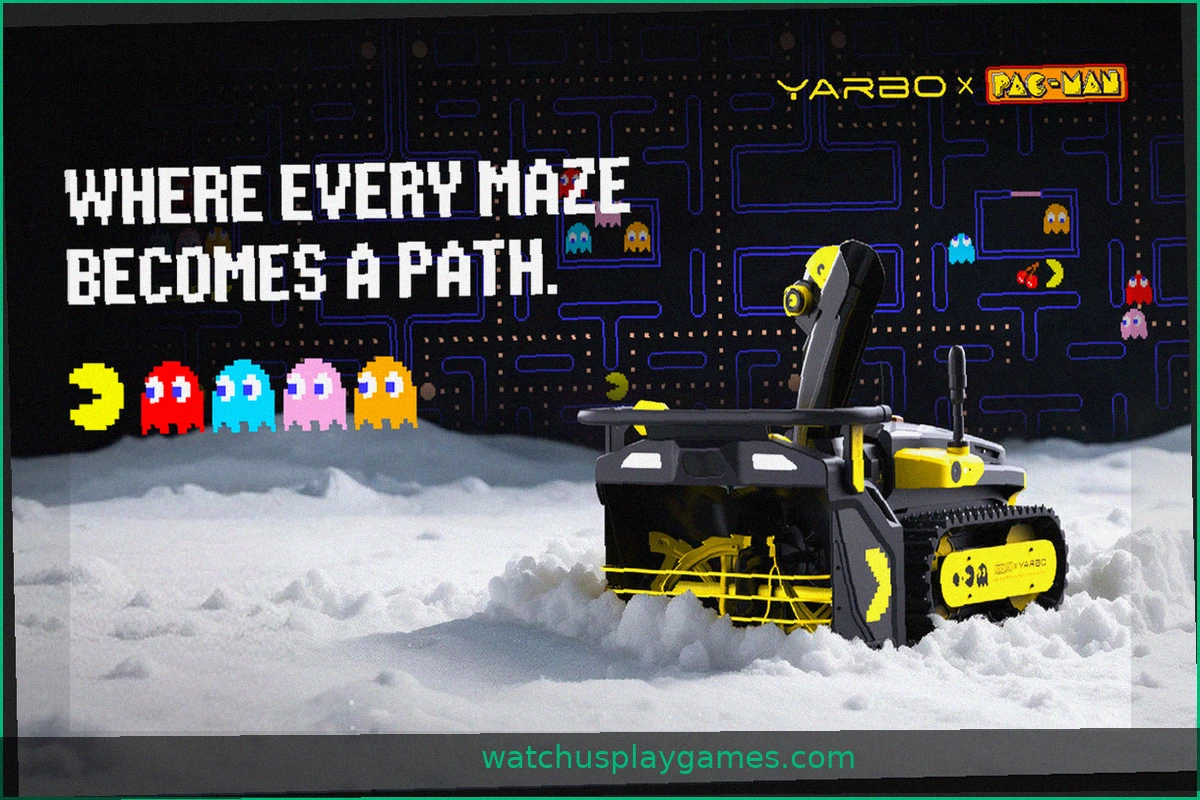
PAC-MAN and Yarbo Team Up for Snow Clearing
Yarbo, a robotics company, partnered with PAC-MAN for a special edition of its snow-clearing technology. This collaboration aims to make winter yard work more enjoyable. The limited-edition Yarbo Y40 Core and Snow Blower Gen 2 feature PAC-MAN-themed design elements. These unit
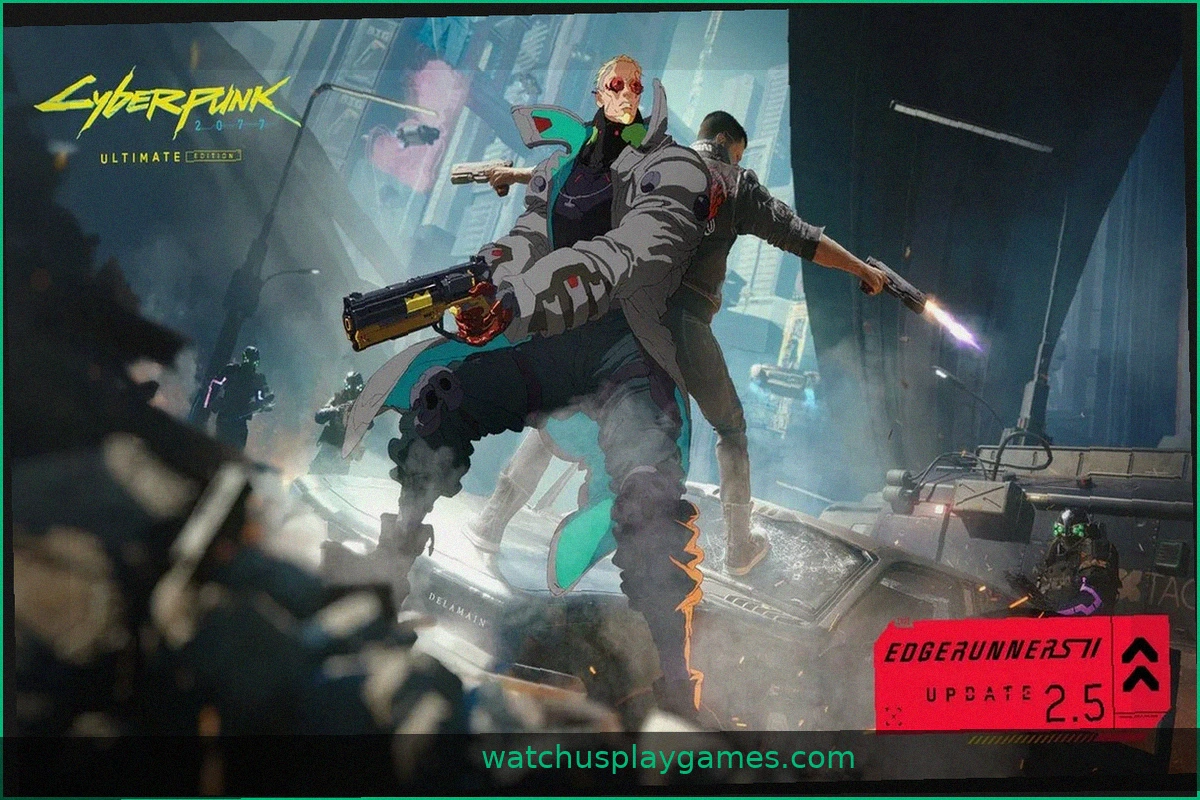
Cyberpunk 2077 Receives Major Edgerunners 2 Update on October 22
CD Projekt RED is releasing its most substantial Cyberpunk 2077 update since the Phantom Liberty expansion: Update 2.5, arriving this week. Following the free remaster of The Witcher 3: Wild Hunt, CD Projekt RED is refocusing on Cyberpunk 2077. This comes after game director Gabe Amatange
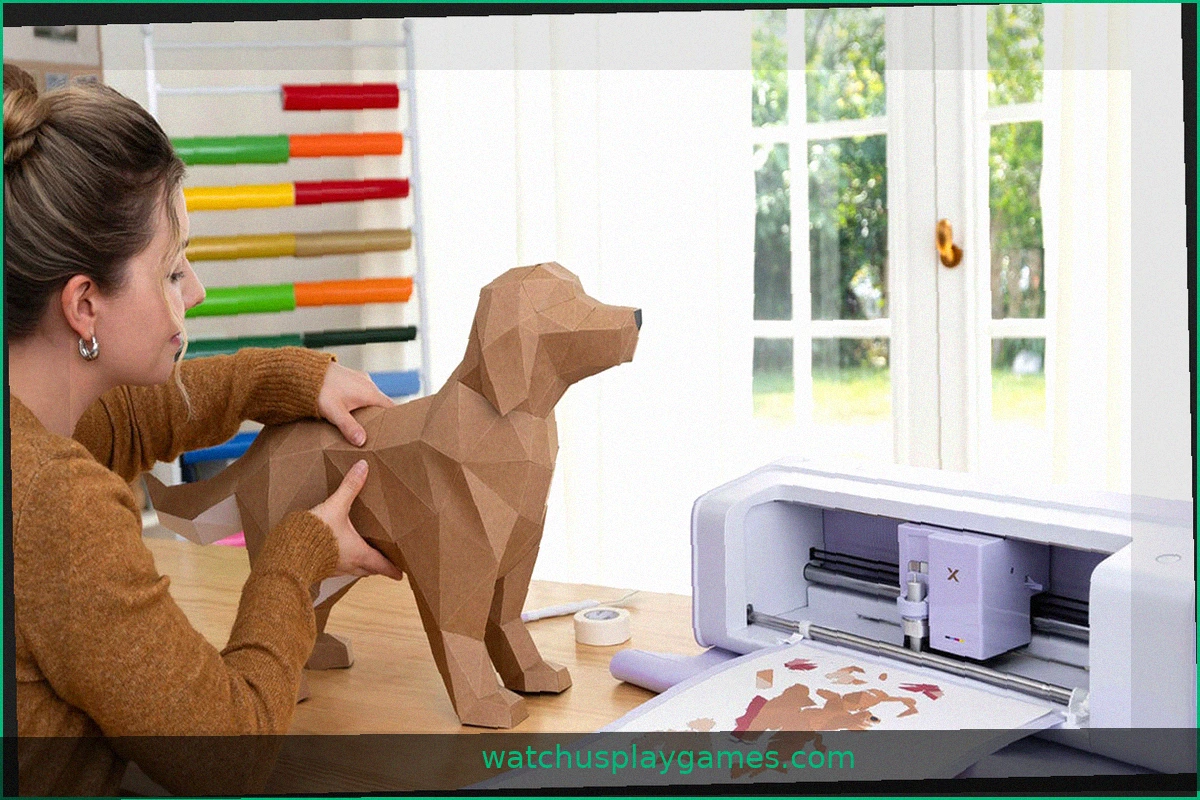
xTool C1: All-in-One Desktop Printer, Scanner, and Cutter
The xTool C1 Color Cutter aims to streamline traditional crafting by merging printing, scanning, and precise blade cutting into one desktop machine. xTool, known for its popular desktop laser engravers, introduces the C1 Color Cutter, a device that integrates scanning, full-color pri
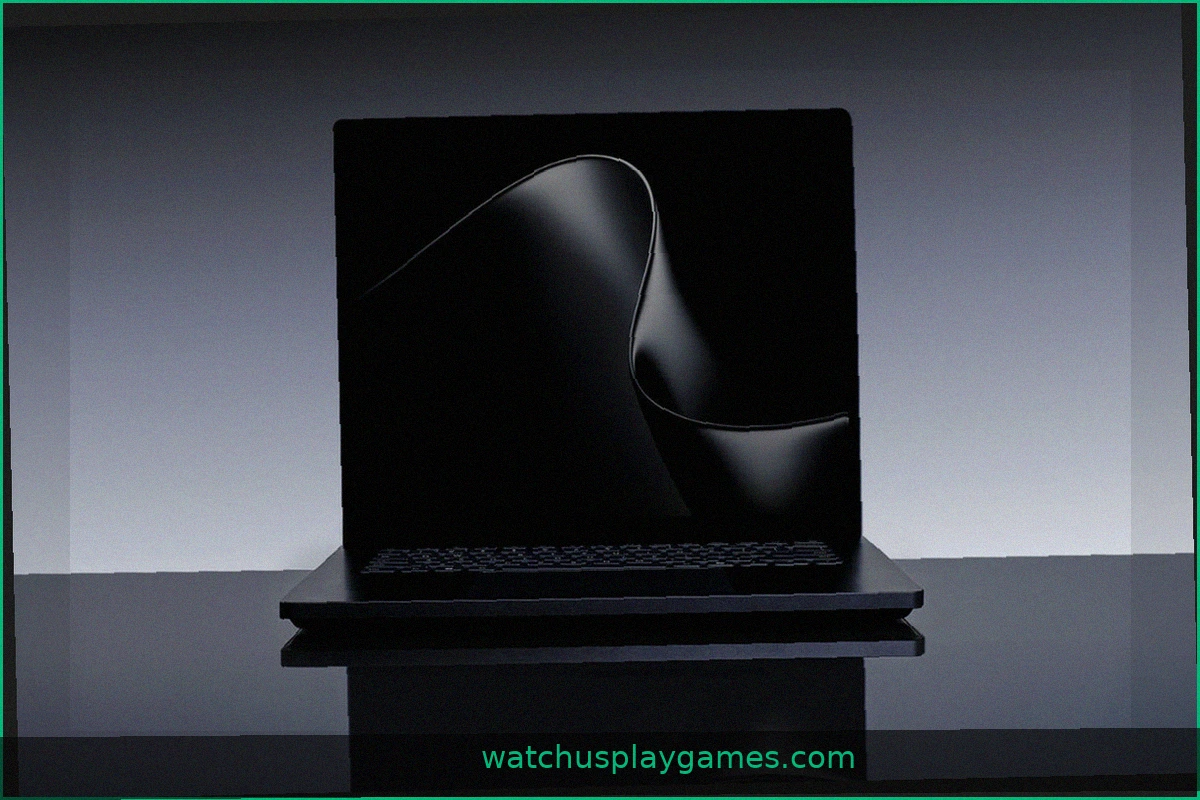
Microsoft Surface Laptop Ultra Integrates NVIDIA RTX Spark for AI Performance
Microsoft unveiled its latest Surface hardware, designed for the AI era. The new Surface Laptop Ultra and Surface RTX Spark Dev Box utilize NVIDIA's RTX Spark platform, large unified memory, and Microsoft's design principles. The Surface Laptop Ultra, a laptop,
Top 5 Underlooked Cards from Magic: The Gathering Reality Fracture for Commander Decks
As Magic: The Gathering players anticipate the Reality Fracture release, here are five essential cards to consider for your Commander decks that can turn the tide of a game. This set introduces Hexhaven, a distorted version of Strixhaven, featuring new takes on popular characters and comp