AI Plagiarism: Clone Game Released Before Original, Threatening Indie Developers
A troubling instance of plagiarism, facilitated by generative artificial intelligence, has ignited a widespread debate within the independent game development community, particularly in Japan. Indie developers, often at the forefront of adopting new technologies, find themselves uniquely vulnerable to the risks posed by such advancements.
At the center of this controversy is Unityroom, a popular online portal where amateur and professional developers can freely publish games created with Unity, making them playable directly in a browser. The platform also offers the possibility for creators to earn modest revenue from advertising. It was on Unityroom that a game appeared, strongly suspected of being an AI-generated copy of another title, a situation that has provoked considerable indignation.
A Troubling Precedent
The incident revolves around Japanese indie developer and YouTuber, Kamaboko, who had been diligently working for weeks on "Typing Magician," a typing game that incorporates tower defense mechanics. Since late February, Kamaboko had publicly documented the project's progress on YouTube, offering regular updates, showcasing gameplay, and detailing both implemented and planned features.
Shortly after Kamaboko began sharing these development updates, another user, identified as Kamaboko Kōsatsu Kōsatsu – with no apparent connection to the original creator – published a game on Unityroom. This game bore the identical title and displayed striking similarities to Kamaboko's still-incomplete project. The clone quickly gained significant visibility, accumulating approximately 30,000 views and landing a spot among the platform's 'popular new releases.'
Perhaps the most contentious aspect of this situation is the copier's own admission. In a YouTube video, the user openly stated that they created the game in roughly two hours, utilizing a generative AI model that had been fed Kamaboko's public development videos. They boldly claimed that "video game development is incredibly easy" and "can be done with a skill level comparable to a part-time job at a convenience store." The user further described their product as a "complete copy of Kamaboko's project," while simultaneously arguing that ideas are not protected by copyright. They framed their actions as a form of "revenge" for Kamaboko's alleged past plagiarism (now reportedly removed) of popular franchises like Pokémon and Palworld.
Regardless of the personal motivations behind this act, the episode has generated considerable alarm among Japanese developers and the global indie community alike. The fact that a development project can be so swiftly replicated and published – even before the original is completed – establishes a deeply disturbing precedent in the era of generative AI. While the specific legal ramifications remain ambiguous, the practice has been widely and unequivocally condemned as unethical.
Ultimately, such occurrences could severely undermine the entire independent game development scene. Indie creators often rely on transparent and open communication with their player base, a stark contrast to the more guarded approaches of larger AAA studios. In essence, generative artificial intelligence appears to disproportionately impact the most vulnerable creators, a concerning pattern that has been observed in various creative fields on multiple occasions.
Fresh materials — Gaming News

Gamescom 2026: NEO BERLIN 2087—An Indie Game with AAA Visuals
At Gamescom 2026, Elysium Game Studio presented NEO BERLIN 2087, a title slated for a 2028 release. A 30-minute playthrough offered a glimpse into the game's mechanics and combat, leaving a strong impression. The game's visual design is immediately striking. Futuristic environments are rend

Fire Emblem: Fortune's Weave on Nintendo Switch 2 Revives Core Fan Favorites
Fire Emblem: Fortune's Weave, released September 17, 2026, exclusively for the Nintendo Switch 2, marks a significant evolution for the Fire Emblem franchise. It builds upon the foundations of Fire Emblem: Three Houses and Fire Emblem Engage, expanding the narrative possibilities within the se
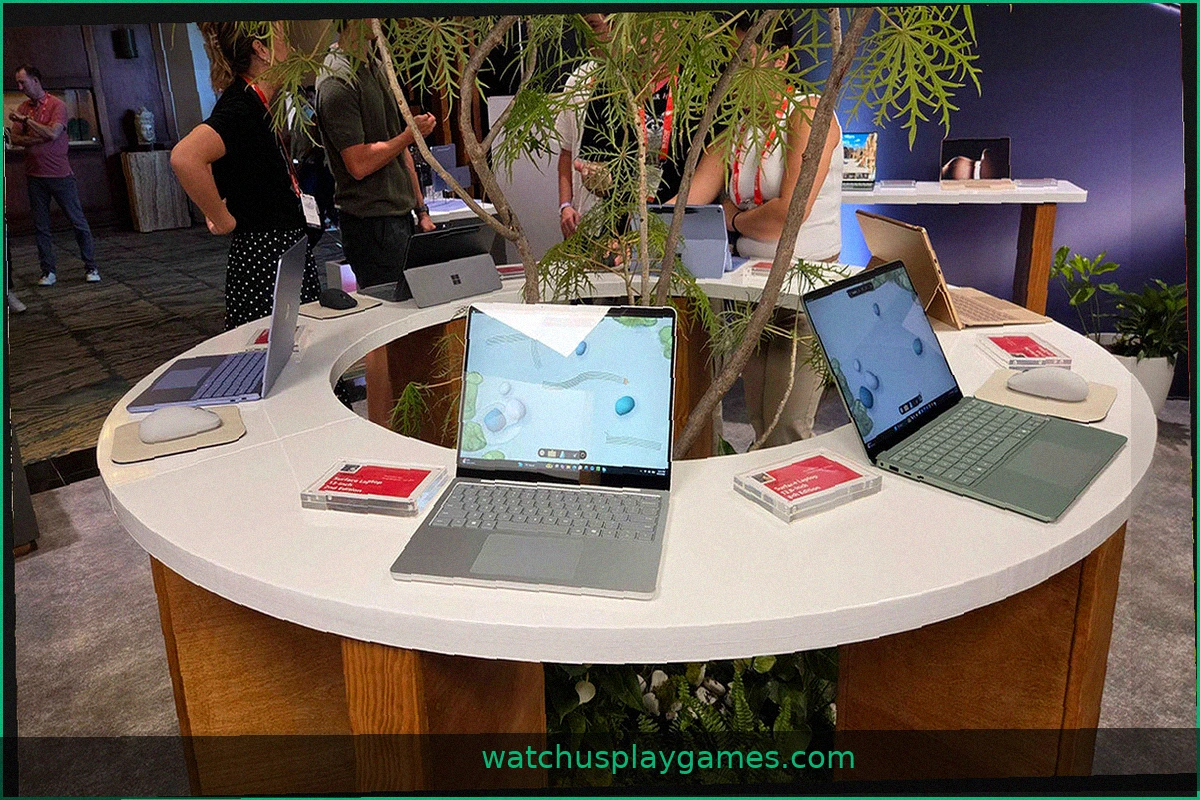
Microsoft Launches New Surface Devices with Snapdragon X2 Plus
Microsoft unveiled its latest Surface portable hardware at Snapdragon Summit, featuring new Surface Pro and Surface Laptop models powered by the Snapdragon X2 Plus chip. The updated 12-inch Surface Pro and 13-inch Surface Laptop are built around Qualcomm’s new Snapdragon X2 Plus processor
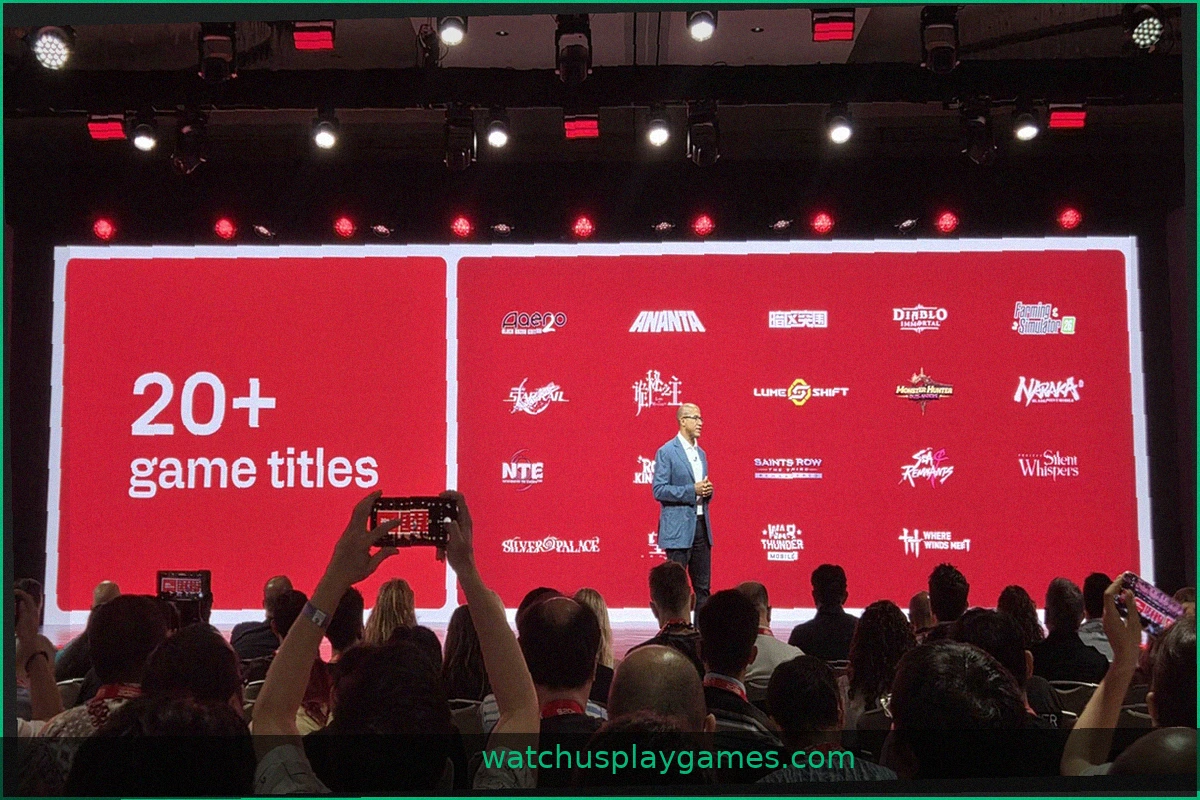
Qualcomm Expands Mobile Capabilities for Gaming and Content Creation with Snapdragon 8 Elite Gen 6
Qualcomm is pushing mobile gaming and content creation further with its latest Snapdragon Summit announcements. The company revealed new features for its Snapdragon 8 Elite Gen 6 SoC, promising better frame rates, enhanced visuals, and expanded smartphone functionality for these uses. For g
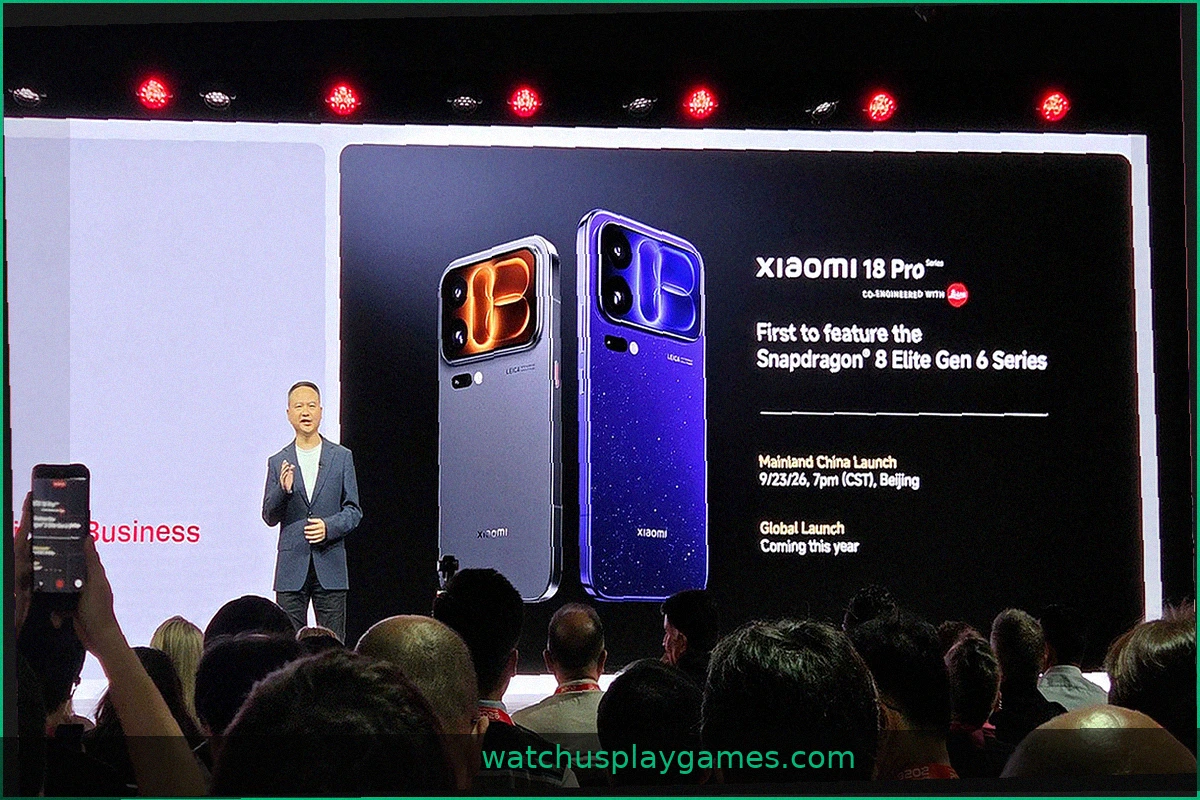
Xiaomi 18 Pro and Pro Max: Qualcomm's Latest Snapdragon Chips Debut Globally
Xiaomi introduced its new flagship phones, the Xiaomi 18 Pro and Pro Max, at the Snapdragon Summit in Hawaii. These devices are among the first to incorporate Qualcomm’s newest high-end processors. Qualcomm announced its latest mobile chip advancements at the summit. Xiaomi's CEO, Adam Zeng
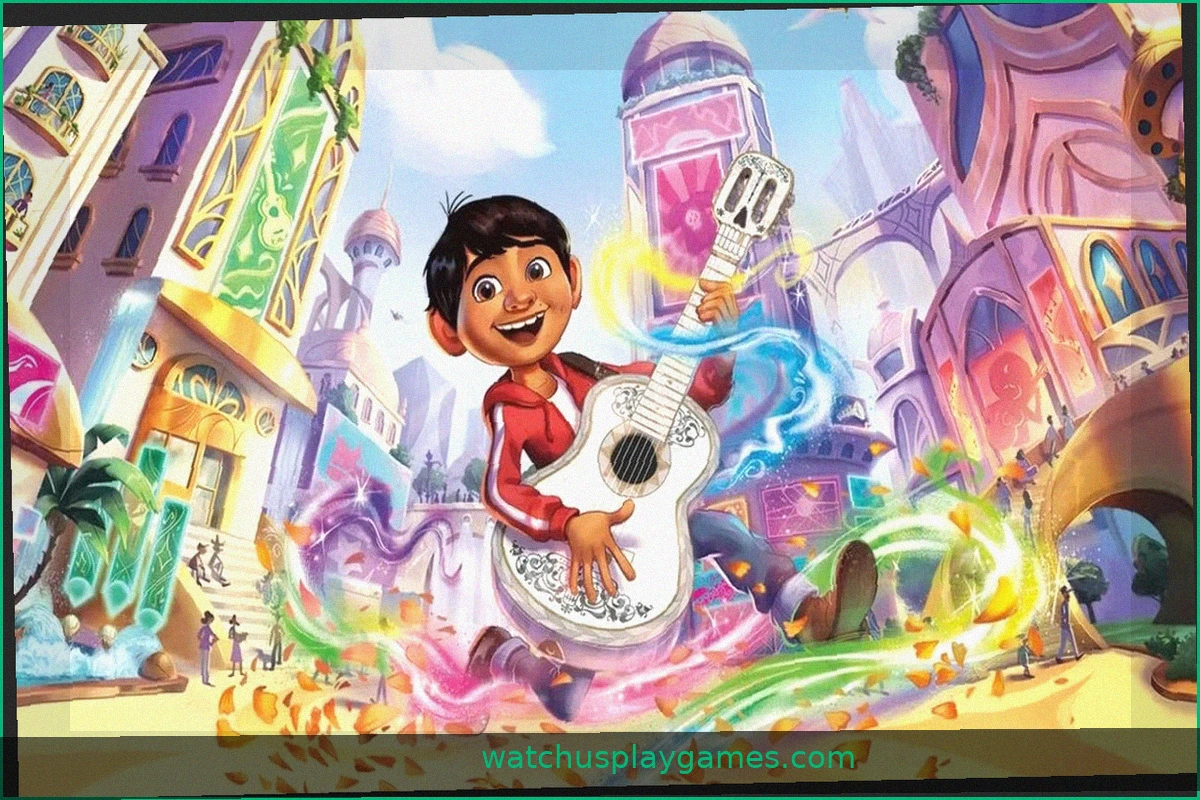
Lorcana's Hyperia City: New Set Introduces Ink Drops Mechanic
The trading card game Disney Lorcana is set to launch its 14th set, Hyperia City, in October. This expansion focuses on a metropolis where magic, technology, and magic inks converge. The city draws inspiration from Disney's animation history and its theme parks, embodi