

Magic: The Gathering, a stalwart in the trading card game (TCG) arena, has evolved significantly, extending its reach beyond its established universe through collaborations with other beloved franchises. The latest and arguably most substantial partnership is with Marvel, bringing an expansive collection of Super Heroes into the Magic ecosystem. Drawing inspiration from decades of iconic comic narratives, Magic: The Gathering | Marvel Super Heroes introduces innovative gameplay mechanics, familiar heroes and villains, and promises a significant impact for both comic enthusiasts and dedicated Magic players.
During Summer Game Fest, an insightful conversation with Daniel Holt, Senior Game Designer at Wizards of the Coast, shed light on the intricacies of Magic: The Gathering | Marvel Super Heroes. The discussion covered new Commander decks, specific new mechanics, and highlighted why this release might be the opportune moment for those considering diving into Magic: The Gathering.
What distinguishes Magic: The Gathering | Marvel Super Heroes from previous Magic collaborations, and what should generate excitement?
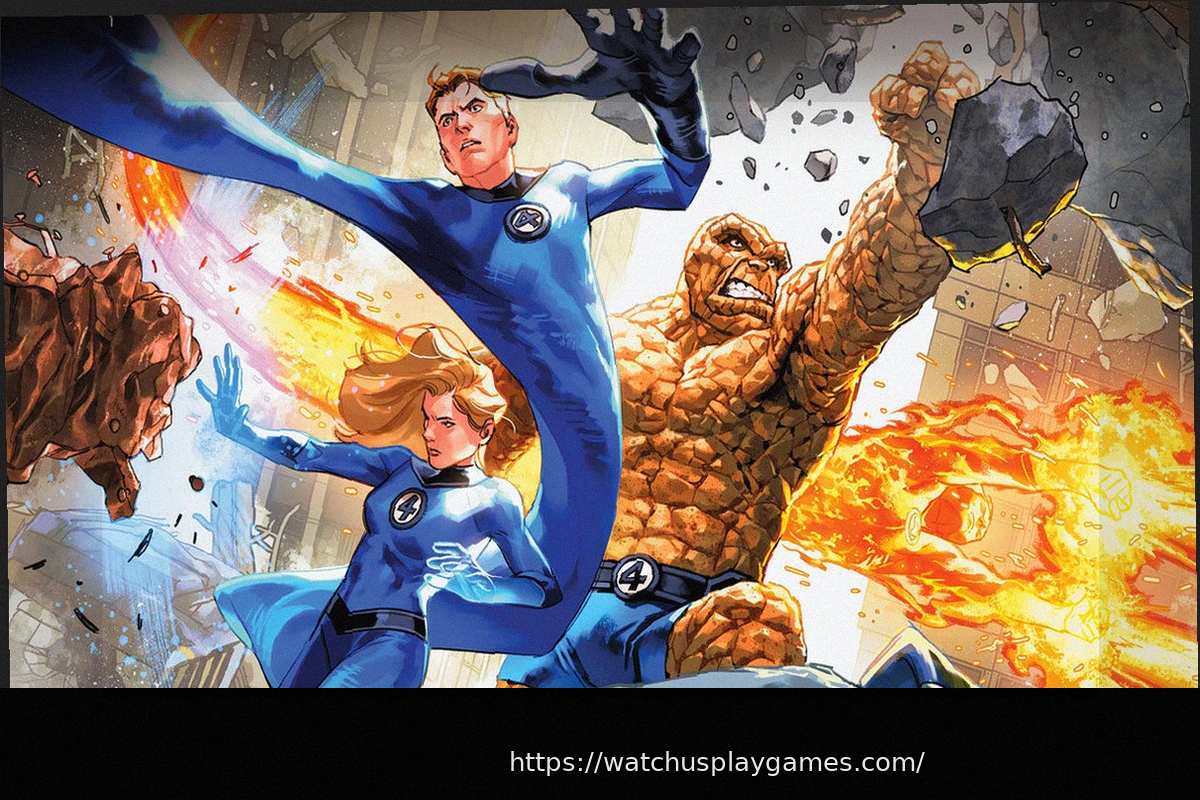
Daniel Holt: The Marvel collaboration, particularly this set, is incredibly broad. While we previously released a Spider-Man product, this set encompasses a vast array of heroes. If you have a favorite superhero, chances are they are represented here, even if it’s not Spider-Man. Personally, I’m a huge fan of the Fantastic Four and even sporting their merchandise. I had the opportunity to design an entire Fantastic Four Commander deck, featuring my all-time favorite hero, the Invisible Woman, as the commander. With such a rich roster of legendary characters, players will undoubtedly find their favorites and be able to build entire decks around them.
You mentioned the introduction of new mechanics in the Magic: The Gathering | Marvel Super Heroes set. Could you elaborate on these new features and what players should anticipate?
Daniel Holt: The main set features several new mechanics. Let’s start with the villains. We have ‘Connive,’ which perfectly captures the flavor. You look for a specific card, discard, and if you discard a nonland card, you can put a +1/+1 counter on the creature, making your villains stronger as they scheme and grow. Then there’s ‘Plans,’ representing epic villainous schemes. Whenever you achieve a specific objective within the plan, you gain a ‘plan counter.’ Accumulating enough plan counters allows you to sacrifice the enchantment, triggering a significant event and fulfilling the villain’s ultimate goal. For the heroes, we have ‘Power-Up.’ This acts as an additional cost for an activated ability, but it’s reduced if activated on the same turn as casting the spell. This allows for more efficient powering up early in the game. Over time, you gain one-time effects and counters, symbolizing their escalating power. ‘Teamwork’ represents heroes collaborating. When you cast a spell with teamwork, you can tap creatures with a certain power, and this action enhances the spell, granting more abilities and effects. Additionally, we’re introducing transforming modal double-faced cards (TMDFCs). Using Bruce Banner and the Hulk as an example, you can play Bruce Banner first, then later pay mana to transform him into the Hulk. This flexibility allows players to adapt to different stages of the game, utilizing their non-superhero identity early on and transforming into their powerful alter ego later.
Given Magic: The Gathering‘s substantial player base and Marvel’s even broader appeal, why is this set the ideal entry point for newcomers, especially those drawn in by their love for Marvel?
Daniel Holt: This is an excellent time to get involved with Magic. We offer a wide variety of formats catering to different playstyles, from casual Commander to competitive 1v1 or Limited formats like drafting. However, for the Universes Beyond series, including Marvel, if you connect with the intellectual property, you can now experience it within the Magic framework. Whether it’s Marvel, Teenage Mutant Ninja Turtles, or Final Fantasy, each Universes Beyond release adds a beloved franchise that allows players to engage with Magic in a new, familiar context.
Magic: The Gathering can seem intimidating. What measures have been taken to make it more accessible for new players, particularly those attracted by Magic: The Gathering | Marvel Super Heroes but daunted by the perceived complexity?
Daniel Holt: Specifically for the Marvel set, we’ve implemented numerous resources. The Beginner Box offers a guided tutorial experience, walking players through various effects step-by-step. Upon completing the tutorial, players should feel confident playing a game of Magic independently. We also have Welcome Decks, which are fantastic for guided play and are often available for free at local game stores. These are designed for easy shuffling and playing with friends. Commander preconstructed decks are another excellent option for learning the Commander format, offering a ready-to-play experience straight out of the box. These precons are intentionally designed with less complexity than custom-built decks, allowing for a relatively quick learning curve. Marvel also includes Jumpstart, where you combine two booster packs to create a playable deck instantly, eliminating the need for deck building and offering a quick entry similar to Limited formats. For those interested in more structured play, Draft and Limited events, Prereleases, and eventually Standard or other Constructed formats like Modern provide further avenues for progression.
For players who purchase a prebuilt Magic: The Gathering deck and begin playing, what are the recommended next steps for expansion and continued engagement?
Daniel Holt: A Commander deck is excellent right out of the box, but for continued engagement, the beauty of Universes Beyond lies in its cohesive nature. For instance, the Fantastic Four Commander deck is themed around the team, their allies, and adversaries. Players can then customize and enhance these decks with cards from the main Magic sets, other Universes Beyond releases, or even by acquiring packs from the main set to find additional cards that fit their chosen theme, such as more Fantastic Four members. This allows for a personalized deck-building experience.
What is the recommended approach for new players looking to get into Magic: visiting a local card shop or engaging online?
Daniel Holt: Often, the best entry point is through a friend who plays Magic, who can then introduce more friends, fostering a casual “kitchen table” Magic experience. Local game stores are also invaluable resources, typically hosting events like Friday Night Magic, local tournaments, and Store Championships. Wizards of the Coast provides information on these official Magic play events. Larger events like MagicCon can also be accessible if held nearby. Ultimately, the best approach is to find where you can connect with the game and other players.
For experienced players or those less interested in Marvel, what makes Magic: The Gathering | Marvel Super Heroes still relevant and appealing? What unique elements does it offer them?
Daniel Holt: This remains a core Magic set with many innovative cards that can intrigue players purely from a gameplay perspective. Even if a player isn’t a Marvel aficionado, they might find a card’s mechanics compelling, inspiring them to build a deck around it and potentially develop an appreciation for the associated character. In Magic, unique planes and their lore often drive player interest. Similarly, engaging with a Marvel deck can lead players to discover and enjoy the movies and characters, fostering a deeper connection across different media.
Finally, could you describe the developmental journey of the Magic: The Gathering | Marvel Super Heroes set? What was the ideation process that led to integrating Marvel into the Magic universe?
Daniel Holt: I like to think Mark Rosewater’s passion for Marvel played a significant role. It’s a natural synergy; Magic is a massive intellectual property, and Marvel offers a vast universe of worlds and characters. This collaboration creates a compelling overlay. When franchises like Marvel or Final Fantasy are integrated into Universes Beyond, players often have certain expectations that align well with the mechanics. For example, a character like Thor is known for flying, and this is reflected in the game. Thor’s lightning powers translate to lightning damage effects. This intuitive integration makes the set more accessible and understandable for both new and existing players.
Are there any indications of future collaborations or expansions beyond Magic: The Gathering | Marvel Super Heroes?
Daniel Holt: While I can’t reveal specifics, we’ve already seen success with Spider-Man and now this expansive Marvel set. Not all characters were included, suggesting potential for future inclusions of fan favorites. The inclusion of two Infinity Stones also hints at broader narrative possibilities.
Thank you very much.
Daniel Holt: Thank you.
Magic: The Gathering | Marvel Super Heroes is officially scheduled for release on June 26, 2026.