

Launching a game studio without external investment has always been challenging, but the avenues available to small teams in 2026 present a significantly different landscape than even five years prior. Today, a two-person team can effectively get their game into the hands of players, establish a sustainable income stream, and iterate on their project without the constraints of a publisher’s schedule. The necessary infrastructure has evolved to match developer ambition.
Here are the viable strategies for independent studios:
Itch.io
For purists, Itch.io remains the ideal starting point. The platform allows developers to set their own revenue share, even opting for 0%, and grants complete control over pricing. Its community actively seeks out experimental titles, and pay-what-you-want models tend to be far more successful here than on other platforms.
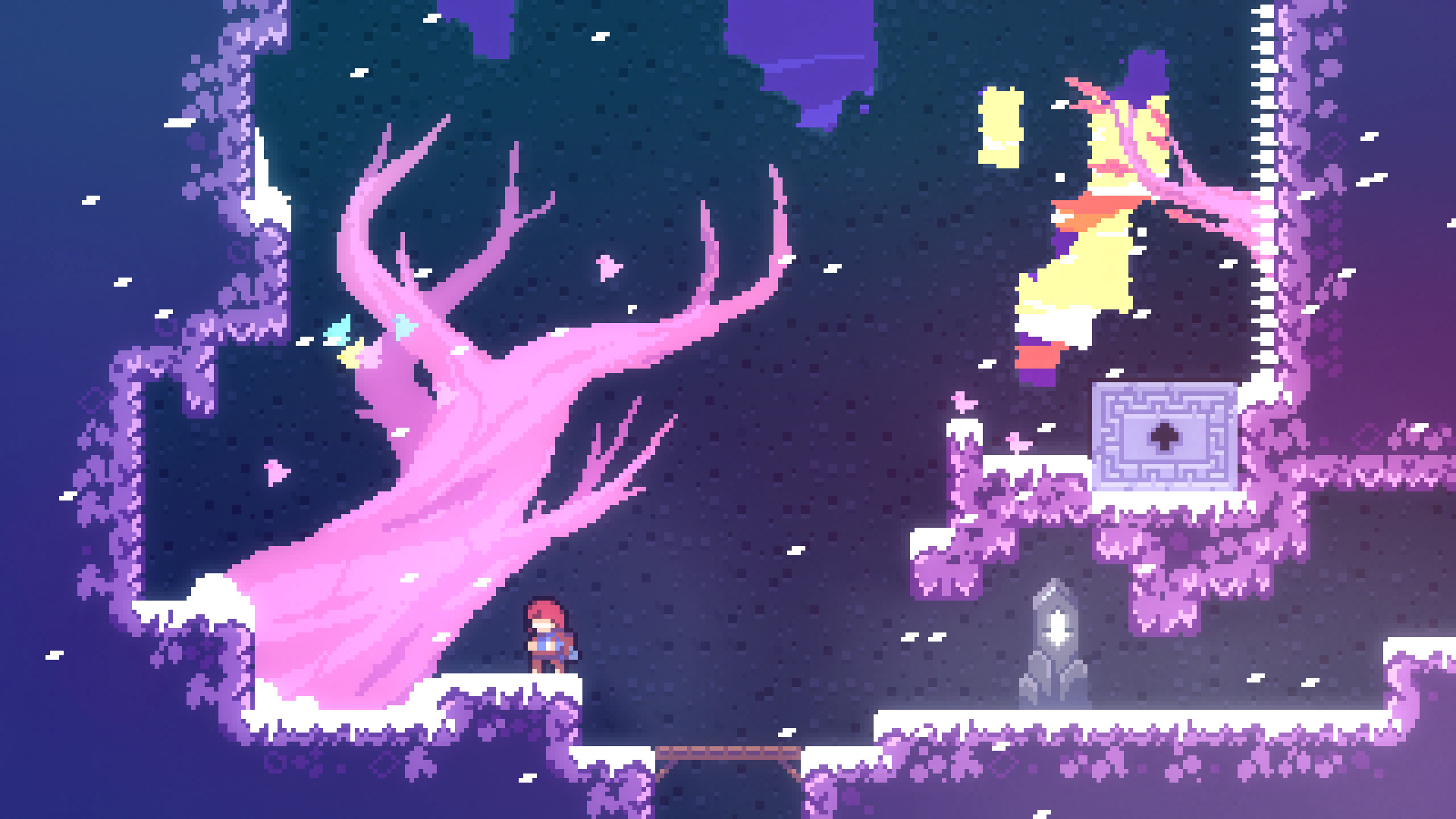
Game jams hosted on Itch.io have been instrumental in launching successful careers, not due to prize money, but because of the immense visibility they offer. For instance, Celeste began as a four-day game jam project before evolving into one of the most critically acclaimed indie games of the decade. A strong entry can put a studio on the radar of players, journalists, and fellow developers who might otherwise never discover them.
While the revenue potential might be limited if solely chasing financial success, Itch.io is an excellent platform for validating concepts, building an email list, and gauging player interest in your creations. It offers the most cost-effective market research available.
Steam Early Access
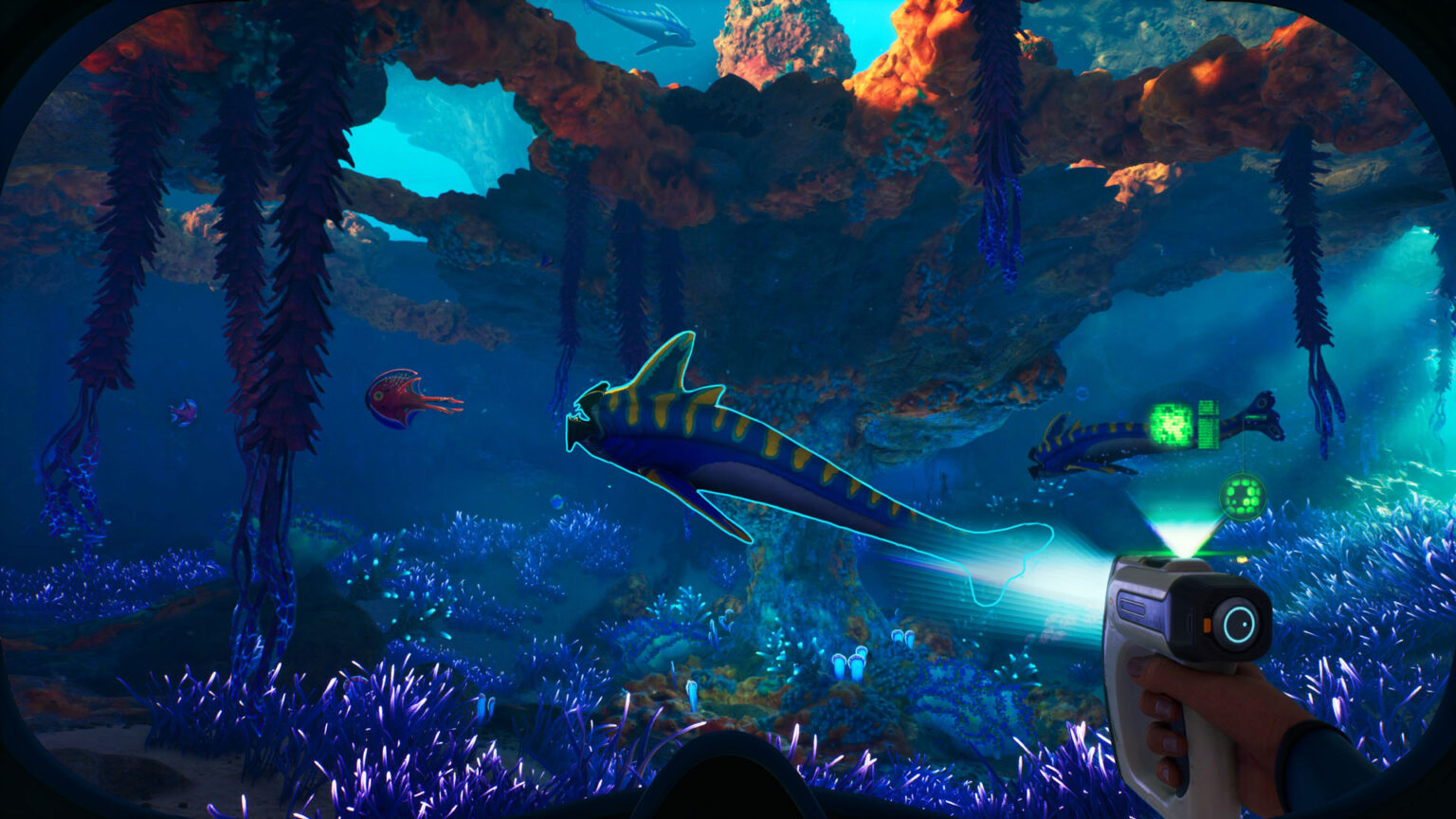
Subnautica 2 in Early Access
For studios with a substantial product to showcase, Steam Early Access continues to be the most proven method for generating significant revenue before a full release. The platform boasts a massive user base, and Steam players generally exhibit a good degree of tolerance for unfinished games, provided there is honest communication from the developers.
However, Early Access carries substantial reputational risks. Releasing prematurely, prolonged periods of silence, or failing to adhere to a development roadmap can leave a lasting negative impact on the store page, as reviews are permanent.
An effective Early Access page requires a compelling trailer, high-quality screenshots, a clear game pitch, and a playable build that is suitable for streaming. Early Access is best suited for studios that are already well into development, rather than those just beginning their journey.
Kickstarter
Kickstarter remains a viable funding option, though its dynamics have shifted. The era where a simple pitch video and a dream could secure hundreds of thousands of dollars is largely over for studios lacking an established audience. Current success hinges on community-centric campaigns, where backers are individuals who are already familiar with the studio’s previous work and are eager to fund their next project.
This transforms Kickstarter from a discovery tool into a conversion mechanism. If a studio has cultivated a dedicated following, and those fans are invested in seeing a project completed, a campaign can leverage that goodwill into a development budget. Yaldi Games’ cozy life-simulation title Out and About exemplifies this model: its campaign exceeded its funding goal by over 370%, raising more than £134,000 from an already engaged audience. Without such a strong foundation, achieving significant financial success is rare.
Careful consideration of stretch goal structures is also crucial before launching a campaign. Over-promising features in exchange for higher backer tiers is a common pitfall that can turn a successful campaign into a development quagmire.
Poki
Poki operates in a distinct category, offering support that extends beyond mere distribution. As one of the world’s largest gaming websites, it functions more as a publishing partner than a simple storefront.
A prime example of its comprehensive support is the Poki Playtesting Tool. Developers can conduct playtests with up to 500 players twice daily, receiving video recordings of actual gameplay sessions and drop-off data that pinpoint exactly where players disengage. This level of detailed feedback is typically only accessible through a publisher relationship or a dedicated user research budget.
In addition to playtesting, Poki provides quality assurance support, optimization feedback, and user acquisition services for games featured on its platform. The Defold engine includes a native “Export to Poki” option, and Unity WebGL builds are also supported. Studios that have navigated this process describe it as being akin to collaborating with a technical partner rather than submitting to a marketplace.
The platform is curated, meaning submissions are not open to everyone, adding prestige to games that are accepted. Small studios with fewer than ten members have successfully built their entire businesses on Poki, avoiding external investment and app store fees. Games must be playable in a browser and suitable for the typical session lengths of web players. For studios developing for this market, Poki’s offerings are exceptionally valuable and difficult to find elsewhere.
Picking a Lane
These strategies are not mutually exclusive. A game might originate as an Itch.io jam entry, proceed to a Kickstarter campaign once an audience is established, and then launch on Steam when its scope warrants it. The browser and PC markets can also complement each other.
The more pertinent question is what a studio currently needs. For validation: Itch.io. For revenue from a robust build: Steam Early Access. For converting an existing audience into funding: Kickstarter. For infrastructure and real player data without a publishing agreement: Poki.
The necessary tools are readily available. The more significant challenge, as always, remains in creating a game that players genuinely want to experience.