The Invisible Machinery Behind Every Online Game You Play
The technology enabling online gaming is remarkably sophisticated, functioning as one of the most advanced consumer entertainment systems. When you play an online game, the action often doesn't occur on your local device. Instead, graphics might be rendered on distant servers, transmitting back to you in mere milliseconds. This seamless experience is a testament to the extensive hardware working silently behind the scenes to make the process feel effortless.
Online gaming has evolved from a niche interest into a significant segment of global entertainment, driven by continuous technological advancements. In recent years, faster networks, more intelligent servers, and even streaming technologies reminiscent of science fiction have converged, leading to impressive growth statistics.
Streaming Games Replaces Local Storage
A key transformation is that games are increasingly no longer stored directly on your device. Cloud gaming platforms perform the demanding computational tasks on remote servers, then stream a video feed to you. This allows even older laptops to run games designed for high-end hardware. For instance, NVIDIA's GeForce Now, which utilizes a 'bring your own games' model linked to platforms like Steam or Epic, had over 30 million registered users globally by late 2025, supporting more than 4,500 games. Microsoft is also seeing substantial progress, with Xbox Cloud Gaming hours increasing by 45% year-over-year, and a significant portion of these streaming sessions originating from devices incapable of running the games locally. This indicates that streaming is opening up gaming access to individuals who have never owned a console.
Online Gaming Shares the Same Technological Advancements
Online gambling sites also leverage similar foundational technologies, relying on real-time servers, robust encrypted connections, and a mobile-first approach. The rapid evolution is evident in Pennsylvania, where in 2025, the state's casinos achieved a record $7.70 billion in gaming revenue, with online gaming revenue surpassing that of physical casinos for the first time. Regulators noted that iGaming revenue grew by over 27% annually, while land-based casino revenue remained largely stagnant. Resources like PlayPennsylvania.com provide comprehensive guides to the online gambling landscape, covering casino apps, sports betting, poker, lotteries, reviews, and regulatory updates, reflecting the dynamic nature of the industry.
The Battle Against Latency
The effectiveness of these systems hinges on overcoming lag, a critical challenge for cloud-based gaming. Every command must travel to a server and return quickly to maintain gameplay fluidity. Players can tolerate less than 40 milliseconds of round-trip delay, with competitive games requiring closer to 20 milliseconds. Multi-access edge computing, which positions rendering servers closer to users within urban areas rather than in remote data centers, is instrumental in reducing these delays. Industry data suggests that the expansion of 5G and edge networks has lowered average round-trip latency to below 20 milliseconds in many metropolitan areas, a feat previously unimaginable without a wired connection. This advancement is enabling companies to deploy cloud gaming services globally. In late 2025, Microsoft launched Xbox Cloud Gaming in India, Brazil, and Argentina, while Sony introduced PlayStation Portal streaming to 30 countries.
Watching Games Has Become a Major Industry
Technology has not only transformed how games are played but also how they are viewed, leading to a rapid expansion of the esports and game streaming sector. The Esports World Cup in Riyadh in 2025 attracted 3 million in-person visitors, and at its peak, 7.98 million concurrent viewers watched the League of Legends finals, setting a new record for non-streaming viewership at an esports event. This massive audience translates into significant investment, with $70.45 million in prize money distributed over seven weeks, far exceeding payouts from previous years. The entire ecosystem relies on advanced streaming infrastructure, encoders, and content delivery networks capable of transmitting matches from stages worldwide to viewers' devices, even during periods of intense viewership spikes.
The Ongoing Evolution of Gaming Technology
The technological development in gaming is far from complete. The cost of bandwidth remains a consideration, as one hour of 1080p cloud gaming can consume approximately 15 GB of data, posing a challenge for users without unlimited broadband. Furthermore, a significant portion of the global population still lacks reliable high-speed internet access, limiting the immediate reach of cloud gaming. Telecommunications companies, chip manufacturers, and platform providers are continuing to invest heavily in faster networks and deploying servers closer to users to address these limitations and ensure that current infrastructure is not considered the final word in performance.
Fresh materials — Gaming News
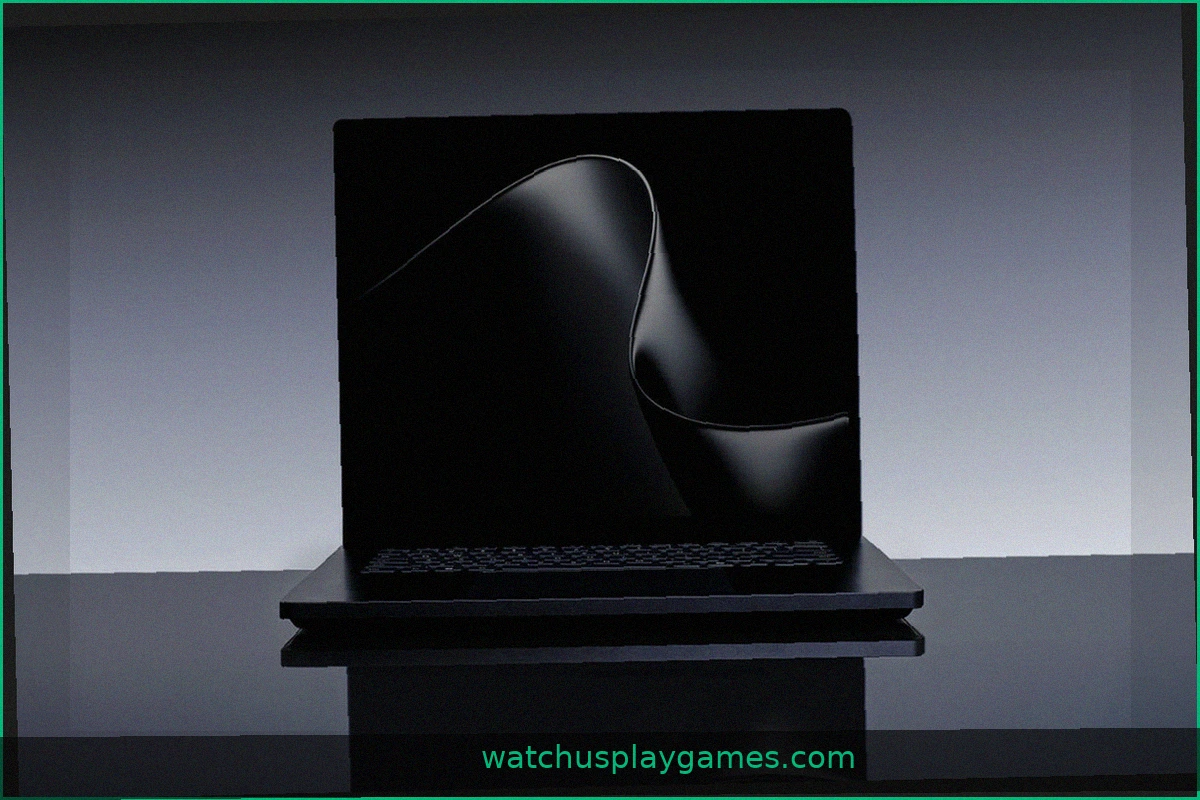
Microsoft Surface Laptop Ultra Integrates NVIDIA RTX Spark for AI Performance
Microsoft unveiled its latest Surface hardware, designed for the AI era. The new Surface Laptop Ultra and Surface RTX Spark Dev Box utilize NVIDIA's RTX Spark platform, large unified memory, and Microsoft's design principles. The Surface Laptop Ultra, a laptop,

Top 5 Underlooked Cards from Magic: The Gathering Reality Fracture for Commander Decks
As Magic: The Gathering players anticipate the Reality Fracture release, here are five essential cards to consider for your Commander decks that can turn the tide of a game. This set introduces Hexhaven, a distorted version of Strixhaven, featuring new takes on popular characters and comp

GUNNAR Optiks: Top Releases for 2026
GUNNAR Optiks has solidified its position beyond simple desk accessories, evolving its blue-light glasses into a robust collection for 2026. Initially designed to reduce eye strain during extended monitor use, the brand now offers a range balancing popular fandoms with everyday st

The Future of Consumer Tech: What Matters Now
New gadgets constantly promise to revolutionize our lives, but few deliver. Looking closer, a clearer picture emerges: the technology we use daily is becoming more personal, portable, and easier to operate. Here’s what's truly driving change. Devices That Truly Know You Our devices ha
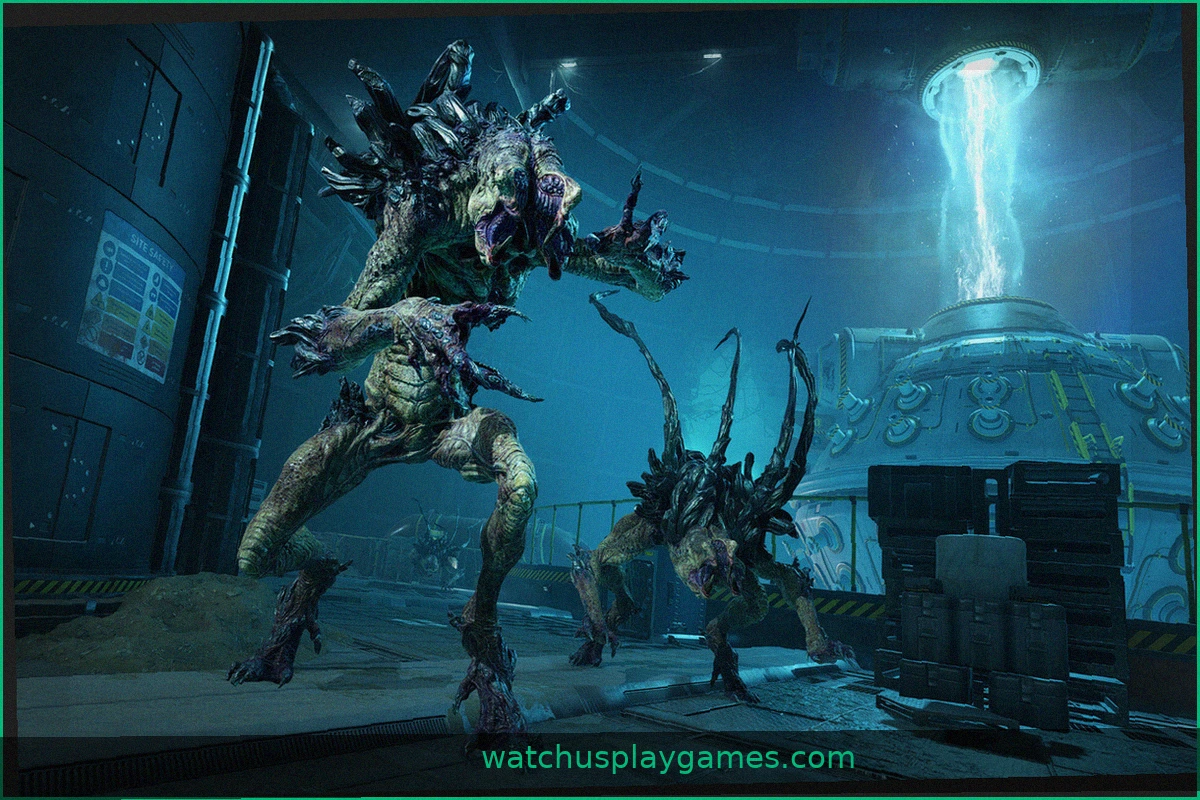
Alien Deathstorm: Gamescom 2026 Preview— Thirty Minutes of Pure Tension
At gamescom 2026, Rebellion’s upcoming title Alien Deathstorm delivered a surprisingly strong experience. The demo provided a compelling glimpse into the game, immediately drawing players in. Based on the current development, anticipation for its release is high. Alien Deathstorm shows promise
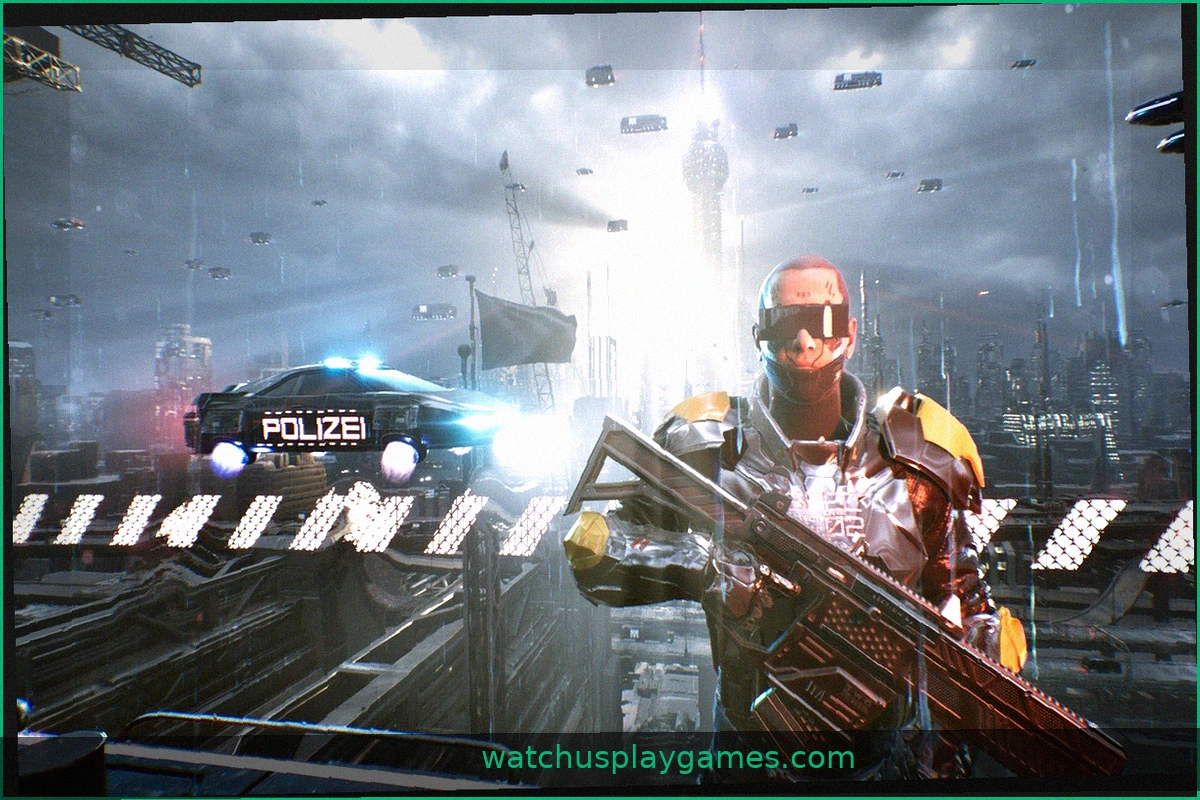
Gamescom 2026: NEO BERLIN 2087—An Indie Game with AAA Visuals
At Gamescom 2026, Elysium Game Studio presented NEO BERLIN 2087, a title slated for a 2028 release. A 30-minute playthrough offered a glimpse into the game's mechanics and combat, leaving a strong impression. The game's visual design is immediately striking. Futuristic environments are rend