Solasta II Early Access Preview: A Deep Dive into Strategic Roleplaying
Solasta II has been a game I've keenly followed since its initial glimpse last year. That brief preview's 'vertical slice' was so compelling it prompted me to play the original Solasta twice. Reflecting on it, Tactical Adventures' narrative achievement stands out even more; a mere 30-minute demo offered more depth than some beloved full campaigns.
When the opportunity arose to preview an early build of Solasta II, my affirmative response was instantaneous.
Solasta II Early Access Overview
Solasta II is a tactical role-playing adventure strongly centered on turn-based combat. Its systems and combat mechanics are meticulously crafted based on the most recent 2024 D&D SRD (5.2) ruleset. The Early Access version provides Act One of the narrative, offering approximately 10 to 15 hours of gameplay.
Players are tasked with guiding four siblings on a sacred quest to honor their late adoptive mother's legacy. This divine mission is bestowed upon them by the goddess Maraike, following an incident where a fifth sibling openly defied her and attempted necromancy on their deceased mother during her funeral. Acknowledging that family dynamics can be complicated, the game sets a unique tone.
The specifics of this divine task are initially vague, as Maraike offers few details. Nevertheless, the siblings accept the immense responsibility – after all, refusing a deity isn't really an option.
Following her admonishment of their lineage, Maraike transports the Colwall siblings to the land of Neokos, leaving them to navigate its challenges independently. Their initial struggles are significant; the Colwalls find themselves disoriented, outmatched, and lacking connections with local factions. Despite these obstacles, they persevere, enduring imprisonment, battling monsters, encountering spirits, and exploring vast wildernesses.
This whirlwind of events unfolds within the first hour alone, and without revealing further spoilers, the plot is undeniably captivating. Act One demonstrates impressive narrative depth, delivering plot points at a rapid pace. However, the game's robust note-taking and character tracking features ensure the story remains coherent, effectively laying the groundwork for a grand adventure.
New players can immerse themselves without prior lore knowledge; the story is fully accessible to newcomers. Yet, as veterans of the series would confirm, the narrative, while engaging, primarily serves as a backdrop. Fundamentally, Solasta II, much like its predecessor Solasta: Crown of the Magister, is distinguished by its deep tactical turn-based combat.
Solasta II Early Access Combat
For those seeking robust combat, Solasta II delivers.
The combat in Solasta II is intense and prolonged. Following initial skirmishes against creatures like kobolds and dryads, players are quickly thrust into challenging situations. Every battle necessitates meticulous positioning, strategic spell usage, and continuous tactical movement. Even the early encounters feel like desperate fights for survival. Moreover, after securing victory and gathering loot, players often find another formidable battle awaiting them, rather than an opportunity for respite.
This unforgiving, sequential combat structure, while challenging, effectively blends the characteristics of a traditional RPG with those of a dedicated strategy game.
While visually reminiscent of Baldur's Gate 3, the game's grid-based combat scenarios evoke the relentless pace and difficulty of an XCOM engagement. Survival here is even more arduous, as injured party members cannot be replaced between encounters. Battles are extended, separated only by short breaks instead of proper resting opportunities. The reviewer's attempt to 'game the system' by retreating to the world map for a long rest was thwarted; exiting a combat area simply resets the fight. As such, tactical retreats are not a viable option.
Fundamentally, Solasta II's combat retains the core spirit of Solasta: Crown of the Magister, but with an accelerated intensity. The shift to Unreal Engine 5 has enabled more diverse and dynamic environments, appearing vastly more advanced than those in the original. This allows for increased tactical opportunities involving cover, varied elevation, and interactive environmental elements, all amplified by enhanced particle effects and lighting that dramatically heighten each encounter.
However, these graphical enhancements come with their own challenges. While the lush wilds and decaying ruins are visually stunning, they can become cluttered. This, coupled with a sometimes overly complex UI, a camera that lacks precise snapping to selections, and enemies whose color schemes often blend with their environments, can make it difficult to maintain situational awareness. Even the event log struggles to completely mitigate occasional confusion during combat.
“Like Solasta: Crown of the Magister before it, Solasta II is all about the tactical turn-based combat.”
Staking Its Claim
Here's a somewhat controversial opinion: Baldur's Gate 3, despite being a critically acclaimed and excellent game, didn't resonate with me tonally. This often holds true for modern D&D interpretations.
The core issue lies in its predictability. Extensive style guides and established lore have transformed a boundless universe into a consumer-oriented playset. Imagination frequently takes a backseat to familiar characters, tropes, and ingrained expectations. The pervasive corporate influence, such as Hasbro's efforts to highlight marketable elements, has, in a sense, dispelled the mystery from traditional dungeon exploration.
This trend has, to some degree, also affected Pathfinder. For enthusiasts of imaginative high-fantasy adventures, homebrew content has become a vital refuge—a philosophy Solasta II wholeheartedly adopts. While leveraging the D&D SRD ruleset, the game crafts its narrative within a completely original world.
Species, classes, and game components strike a balance between familiarity and fresh unpredictability. This venture into the unknown revitalizes a sense of wonder. Beyond its inherent appeal, this approach also strengthens the plot and enhances immersion. Both the player and their party share the experience of being 'fish out of water,' navigating familiar-looking environments from an outsider's viewpoint, which instills a genuine feeling of peril.
All in the Family
The Colwalls are not predestined heroes; they are ordinary, grieving, and often squabbling siblings. Though competent adventurers, they are notably vulnerable and frequently lost.
The family dynamic stands out as the most significant custom addition. This sibling bond ensures the party remains compact and unified, while allowing each character a unique voice in dialogues that transcend typical class or background stereotypes.
Though still in Early Access, Solasta II has already won me over. The current build feels remarkably complete and extensive, offering both freedom to explore and experiment alongside a tightly woven narrative. 'Tight' perfectly encapsulates the experience of Solasta II.
The Colwall family saga features a multitude of narrative threads, yet the game's design expertly interlaces them. This ensures that the intricate tapestry of the story remains intact, no matter how players attempt to diverge or disrupt it (and I did try). The most impact players can have on the drama is by creating an eccentric group of characters during customization.
Since Solasta II operates outside the strictures of a rigidly curated D&D product, Tactical Adventures was able to implement an exceptionally open character creation system. This isn't just about superficial cosmetic choices; it's a return to old-school character depth. Whether you envision a sophisticated gentleman fighter or a high elf adorned with facial tattoos, lip glitter, a unique haircut, and a distinctive chin, the game empowers your creative freedom.
Solasta II will be available in Early Access starting March 12. Existing fans of the original game are sure to be pleased, while new players seeking a complex role-playing experience featuring profound strategic combat should definitely consider exploring it.
Fresh materials — Gaming News
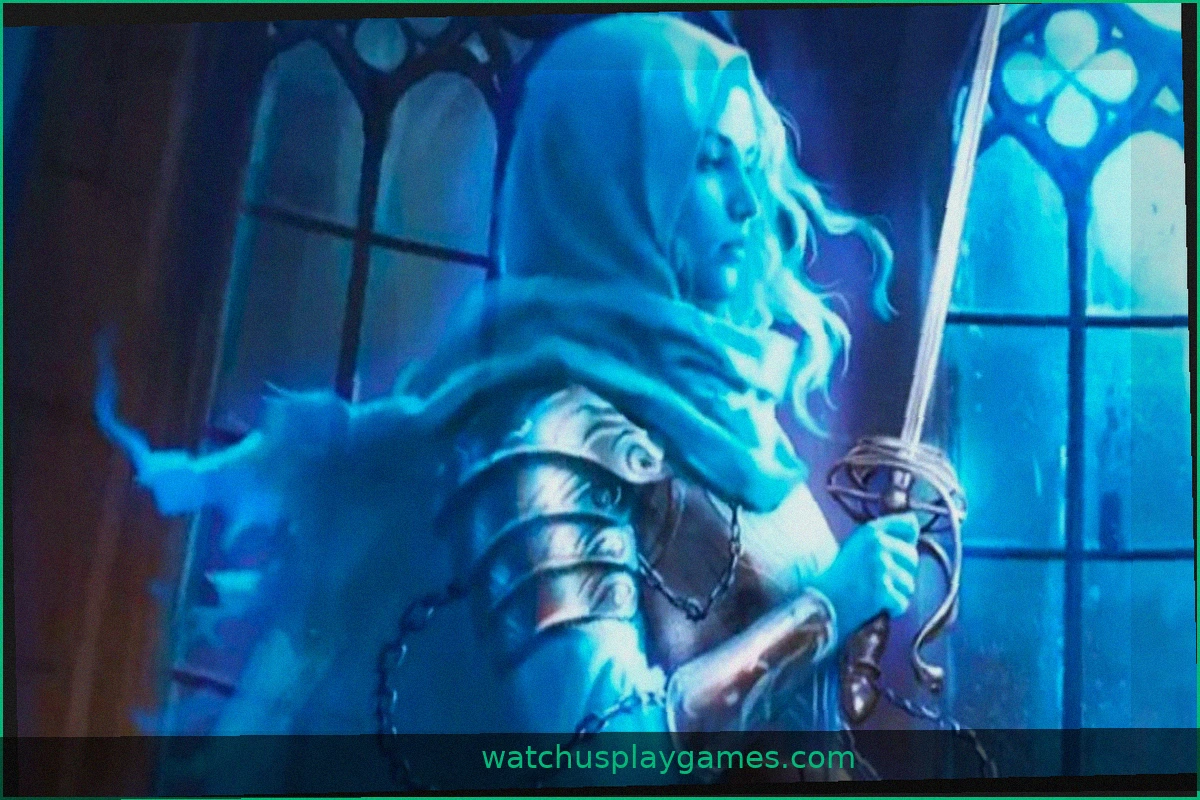
Top 5 Underlooked Cards from Magic: The Gathering Reality Fracture for Commander Decks
As Magic: The Gathering players anticipate the Reality Fracture release, here are five essential cards to consider for your Commander decks that can turn the tide of a game. This set introduces Hexhaven, a distorted version of Strixhaven, featuring new takes on popular characters and comp

GUNNAR Optiks: Top Releases for 2026
GUNNAR Optiks has solidified its position beyond simple desk accessories, evolving its blue-light glasses into a robust collection for 2026. Initially designed to reduce eye strain during extended monitor use, the brand now offers a range balancing popular fandoms with everyday st

The Future of Consumer Tech: What Matters Now
New gadgets constantly promise to revolutionize our lives, but few deliver. Looking closer, a clearer picture emerges: the technology we use daily is becoming more personal, portable, and easier to operate. Here’s what's truly driving change. Devices That Truly Know You Our devices ha
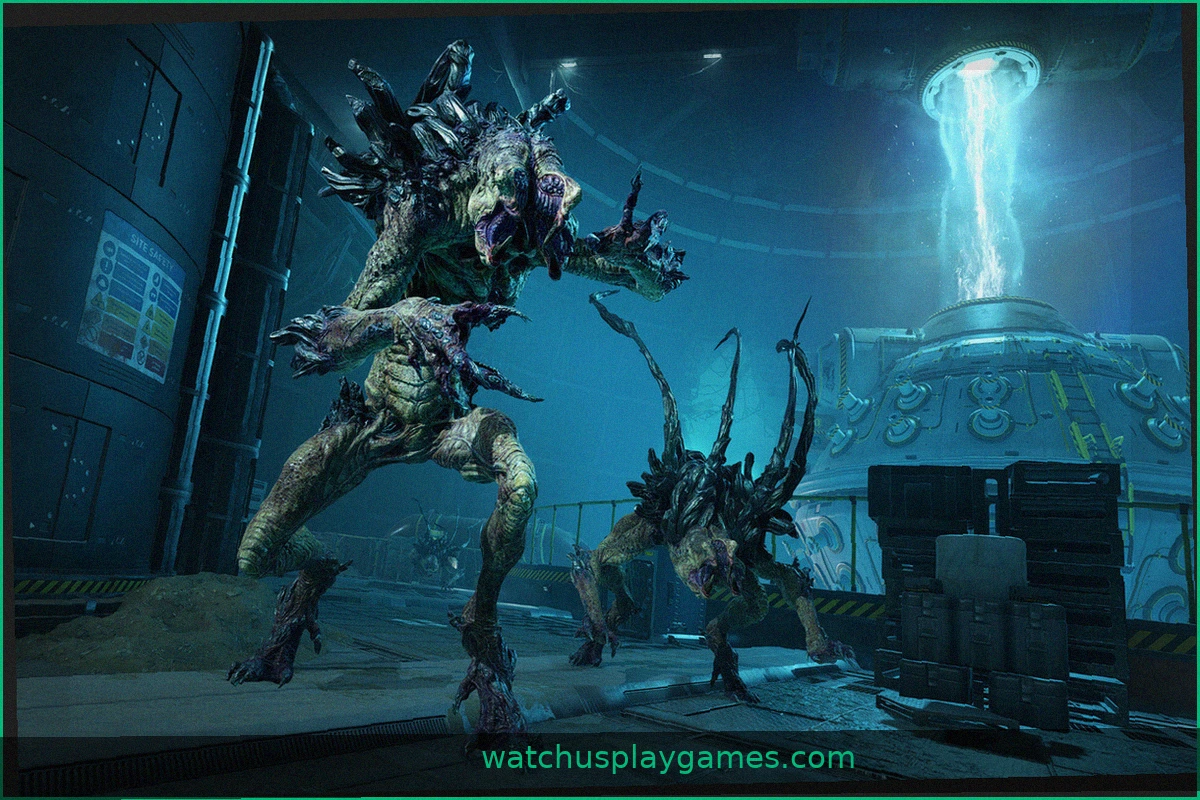
Alien Deathstorm: Gamescom 2026 Preview— Thirty Minutes of Pure Tension
At gamescom 2026, Rebellion’s upcoming title Alien Deathstorm delivered a surprisingly strong experience. The demo provided a compelling glimpse into the game, immediately drawing players in. Based on the current development, anticipation for its release is high. Alien Deathstorm shows promise
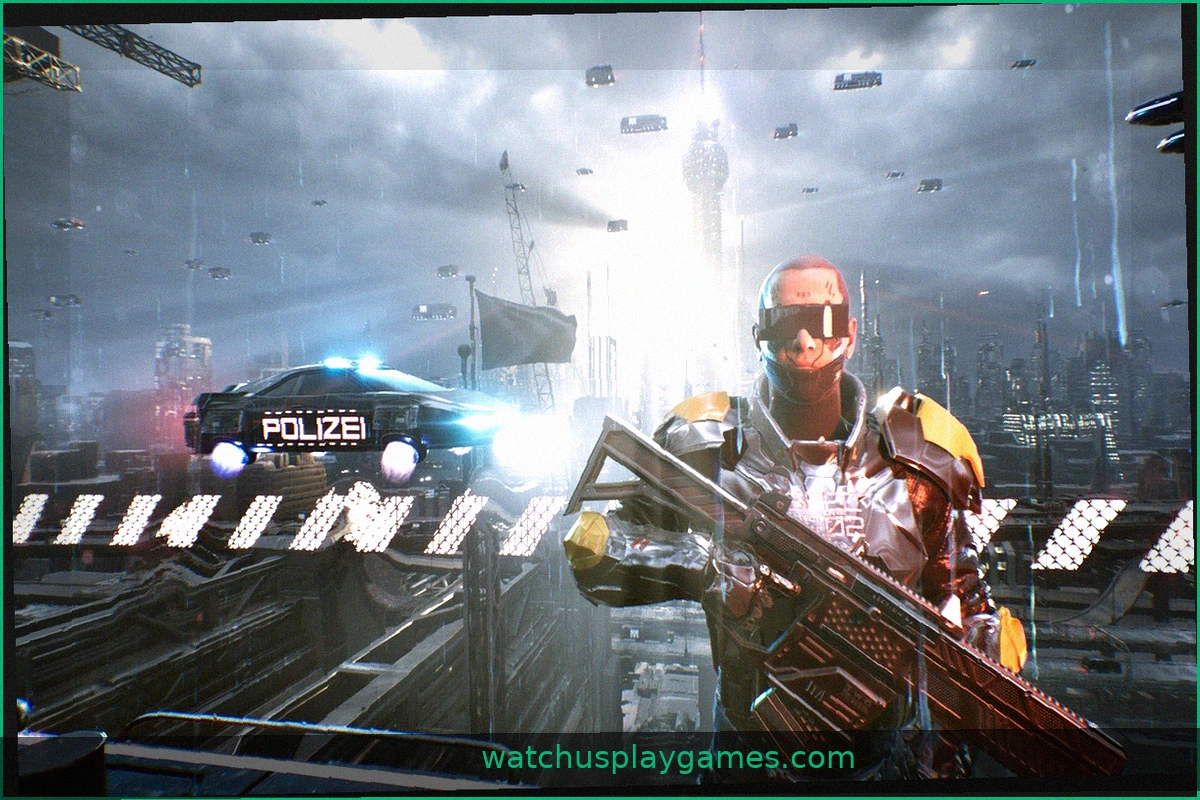
Gamescom 2026: NEO BERLIN 2087—An Indie Game with AAA Visuals
At Gamescom 2026, Elysium Game Studio presented NEO BERLIN 2087, a title slated for a 2028 release. A 30-minute playthrough offered a glimpse into the game's mechanics and combat, leaving a strong impression. The game's visual design is immediately striking. Futuristic environments are rend
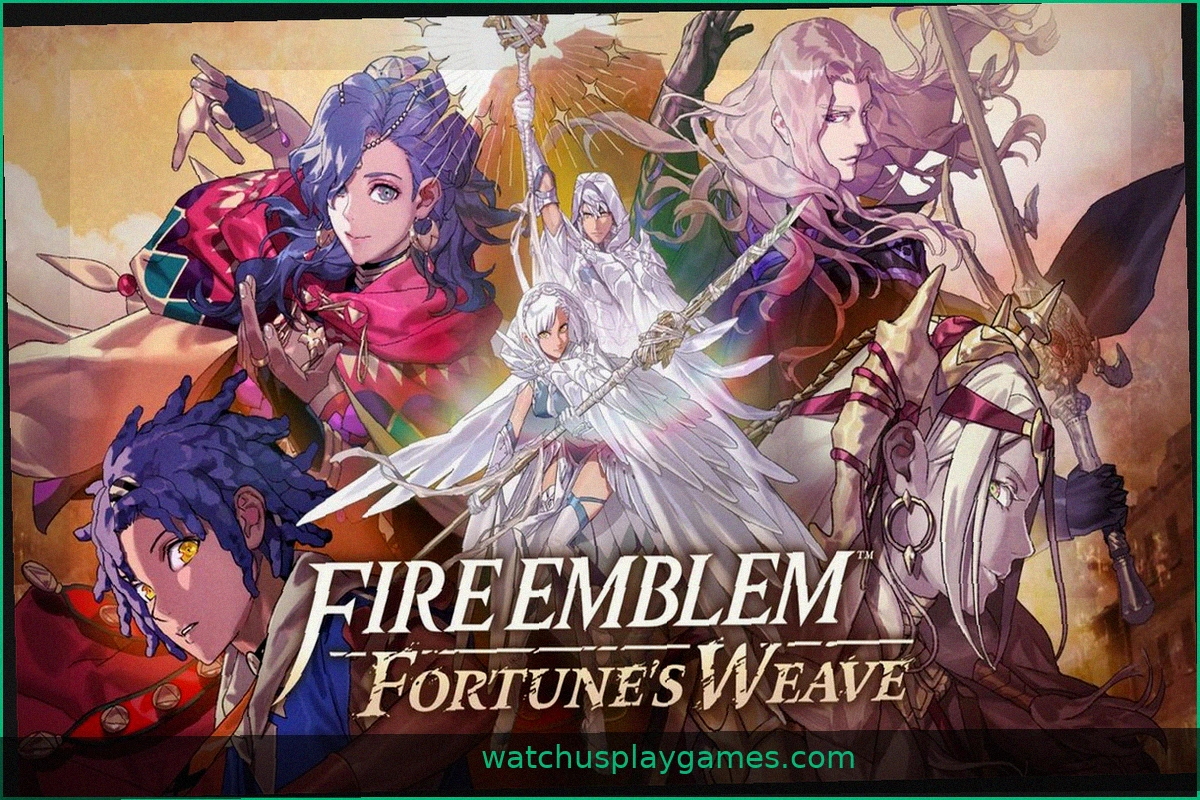
Fire Emblem: Fortune's Weave on Nintendo Switch 2 Revives Core Fan Favorites
Fire Emblem: Fortune's Weave, released September 17, 2026, exclusively for the Nintendo Switch 2, marks a significant evolution for the Fire Emblem franchise. It builds upon the foundations of Fire Emblem: Three Houses and Fire Emblem Engage, expanding the narrative possibilities within the se