Persona 30th Anniversary: Celebrating 30 Years of Social Links and Recruiting Demons
The Persona series, and by extension Shin Megami Tensei, holds significant meaning. Growing up on JRPGs introduced by older brothers, games like Final Fantasy and Dragon Warrior were common, alongside unique titles like Earthbound. However, one series I stumbled upon in the late hours of Augus
The Persona series, and by extension Shin Megami Tensei, holds significant meaning. Growing up on JRPGs introduced by older brothers, games like Final Fantasy and Dragon Warrior were common, alongside unique titles like Earthbound. However, one series I stumbled upon in the late hours of August 2007 while working at Blockbuster was Persona 3.
While it began as an SMT spin-off, Persona truly evolved into its own entity, often appealing more broadly than its parent series. The memory of playing Persona 3 at my parents' house until dawn, consequently missing school the next day, is unforgettable. After spending countless hours on that game, I became engrossed in the series, seeking out fan translations for Persona 2 and 1, and emulating numerous SMT titles.
I've invested more time in this franchise than in my personal hobbies, so consider this a preface from someone deeply entrenched in the JRPG genre. This list ranks twenty games, compiled by a dedicated fan.
21. Persona 5: Dancing in Starlight
The remixes are well-produced, offering a quick dopamine hit for fans of the characters. While the presentation is slick, it fails to innovate the already uninspired dancing spin-off formula. It sits definitively last, offering little beyond shallow gameplay, over-sexualized DLC outfits, and an unwanted "story mode" that adds nothing to Persona 5's narrative. This title sparked initial concerns about Atlus's direction for the brand.
20. Persona 5: The Phantom X
This gacha game concept, allowing players to experience the Phantom Thieves from their own perspective, is an interesting spin-off idea. However, it represents a tipping point for Persona 5 oversaturation. The story is mediocre, free-to-play mechanics detract from core Persona elements like time management, and the daily grind becomes tedious.
19. Persona 4 Arena
Arc System Works delivers a solid fighting game experience. Character animations, especially for Yukiko and Aigis, are fantastic. The integration of Personas as extensions of fighting game movesets is a clever translation of the series. However, without familiarity with Persona 4's lore, it feels like overhearing an inside joke for hours. The netcode at launch also presented significant issues for ranked play.
18. Persona 3: Dancing in Moonlight
P3's soundtrack is exceptional, even if the accompanying dancing game is forgettable. Hearing remixes of "Mass Destruction" and "Burn My Dread" is a treat for fans of the original. Yet, similar to Persona 5 Dancing, the rhythm mechanics are slightly less refined, and the story mode exists primarily for fan service, feeling like a product driven by the success of idol games.
17. Persona 4 Arena Ultimax
This sequel improves upon the first Arena with better mechanics and an expanded roster. The story is more effectively integrated, contributing to later canon and setting up plot points. New characters like Sho and an expanded role for Yu Narukami offer incentives for returning players. Despite its mechanical improvements, ranking a fighting game derived from a turn-based RPG above the RPGs themselves remains challenging, especially given its reliance on prior knowledge of the series.
16. Persona 4: Dancing All Night
A more well-rounded cast and enjoyable remixes place this title higher than others, though the core format remains unchanged. While the music in Persona 3 and Persona 5 might be preferred, this installment excels in its story presentation and remixes. It's a worthwhile experience for fans of the other dancing games.
15. Persona 5 Tactica
The tactical grid combat for Persona is functional, with some levels offering satisfying X-Com-like positioning. The character portraits and menu design attempt to retain the original's visual identity. However, Tactica exemplifies the decline of the Persona 5 side of the franchise. It transforms the stylish Persona 5 cast into a generic tactics-RPG, with thin strategy, dragging pacing through filler levels, and a reduction of the Phantom Thieves to chibi characters in a rote story.
14. Persona Q: Shadow of the Labyrinth
This 3DS dungeon crawler, combining the Persona 3 and 4 casts, offers charming character interactions. In practice, it's Etrian Odyssey mechanics with a Persona skin, requiring significant grinding. Navigating first-person mazes while characters deliver jokes becomes exhausting over time. The 3DS mapping mechanic feels more like a chore than an engaging puzzle.
13. Persona Q2: New Cinema Labyrinth
A refined version of Persona Q, it incorporates the Persona 5 cast and features tighter dungeon design. The movie-themed dungeon gimmicks offer a welcome change from standard labyrinth crawling. However, it still prioritizes dungeon crawling for its own sake, which was never the core appeal of Persona. Cramming three casts into one game reduces individual character focus.
12. Persona 5 Strikers
This title complicates the Persona 5 oversaturation issue by being a genuinely good entry into its extended universe. Omega Force created an enjoyable action RPG that fits well within the Persona world. The story has a compelling arc, featuring new Palaces, villains, and a road-trip structure that allows the cast to develop outside Tokyo. It's the one spin-off that treats its characters with the respect earned by the mainline game. Despite its merits, the Dynasty Warriors-style combat, even with a Persona coat of paint, becomes repetitive, and the game's pacing falters in the latter half.
11. Persona 1 (Revelations: Persona)
The original spin-off that started it all. While middling, it's interesting to revisit its origins. The artwork remains appealing, and the soundtrack captures early PS1 charm. The PS1 original is rough, with maze-like dungeons reminiscent of Shin Megami Tensei in its least favorable aspects. The English localization notably altered character names and voice work. It's worth a single playthrough but not for extended engagement.
10. Persona 2: Innocent Sin
If Revelations: Persona was a test, this is where the series truly began to shine. Innocent Sin boasts one of the franchise's best plots, where rumors manifest into reality. The cast feels like genuine high school friends, and the villain reveal is exceptional. Notably, Hitler plays a significant role in this game and its sequel. The combat system shows its age, encounter rates are punishing, and its lack of an English release until the PSP remake limited Western access for over a decade. While its story is top-tier, the mechanics demand considerable patience.
9. Persona 2: Eternal Punishment
The direct sequel to Innocent Sin, it offers a more polished experience by trimming extraneous elements and featuring a new protagonist with a fresh perspective on the same events. While less ambitious than its predecessor, it is more refined. Playing without Innocent Sin first diminishes its emotional impact. The absence of a proper remaster, unlike its predecessor, makes finding a legitimate version challenging.
8. Persona 3
This game revitalized the series with its introduction of social links, the school calendar, and the Dark Hour – core structural elements now synonymous with Persona. The ending is one of the best in JRPGs, and the initial playthrough remains a powerful memory. However, it is brutal in ways later sequels addressed, both mechanically and tonally. The AI-controlled party members in the original release make dungeons frustrating, Tartarus suffers from repetitive visual themes, and the UI reflects its PS2 origins, making it difficult to return to after experiencing newer titles.
7. Persona 5
The game that propelled the series into mainstream success, and deservedly so. Its art direction redefined JRPG menus, and its impact remains strong. The Phantom Thieves premise, the Palace concept, and Shido's arc elevate the social commentary typically found in JRPGs. The soundtrack is, once again, a standout. Its considerable length, with a bloated latter half, and social commentary that occasionally misses its mark, alongside underdeveloped confidants compared to the main cast (later improved in Royal), are its primary drawbacks.
6. Persona 4
Featuring the series' most enjoyable ensemble cast, Persona 4 masterfully balances its murder-mystery hook, small-town setting, comedy, and genuine dread. Its tone is exceptionally well-executed, and the major twists remain memorable. While slower to open up than P5 or P3 Reload, and with repetitive TV World dungeon environments, it offers a compelling experience. The final stretch also suffers from pacing issues, a lesson later addressed by its sequel.
5. Persona 3 FES
Persona 3 FES enhances the original by adding "The Answer," a challenging epilogue exploring grief and the aftermath of a profound story. It also presents a more complete and balanced version of the base game. "The Answer's" difficulty spike and repetitive dungeon design can deter players before they reach its emotional payoff. While long considered the definitive way to experience Persona 3, the AI-controlled party members persist, making combat frustrating compared to Portable and Reload.
4. Persona 3 Portable
This installment offers a controversial but compelling take by introducing social link variations for the female protagonist, providing a distinct tone and unique relationships. Its portable convenience, leaner presentation, and content that reshapes the experience of Tartarus and the surrounding cast make it a highly re-playable version of Persona 3. The trade-off is the shift from full 3D exploration to a menu-based movement system due to PSP limitations and weaker visual presentation. It respects the player's time while offering a deep narrative experience.
3. Persona 3 Reload
This remake modernizes combat without sacrificing the original's tension. The visual overhaul and tighter pacing improve the 2006 experience. Direct party member control significantly enhances enjoyability. However, the removal of some social link content and the female protagonist option prevents it from reaching the top spot. It stands as the best-looking and most playable version of Persona 3 for modern audiences.
2. Persona 4 Golden
A meaningfully improved version of the original, featuring new social links, significant quality-of-life updates, and an additional character route that enriches the story. This is the definitive way to play Persona 4 and the recommended starting point for newcomers. Some dungeon repetition and pacing issues from the original carry over, as it is built upon a Vita port. It offers an expanded edition rather than a complete mechanical overhaul.
1. Persona 5 Royal
Royal not only refines Persona 5 but tonally completes it. A new semester, an additional confidant, and a rewritten final act address the original's shortcomings, featuring Kasumi's arc and a strong new dungeon. It sets the standard for JRPG re-releases, with an incredible soundtrack that enhances pivotal moments. Despite its extended runtime, even by Persona standards, and the addition of ten-plus hours for Maruki's arc, it represents the pinnacle of the series' evolution.
The teased Persona 4 remake appears promising; if Atlus applies the same care shown in Persona 3 Reload to modernizing its investigation structure, it could surpass current top contenders. However, the anticipation for Persona 6 is paramount. With a decade of iterating on the social sim formula, successful remakes, and the potential for a new cast and setting, the core series remains a JRPG highlight. The quality of its spin-offs, however, remains a mixed bag, with Tactica serving as a prime example of a spin-off doing a disservice to its characters.
Fresh materials — Gaming News
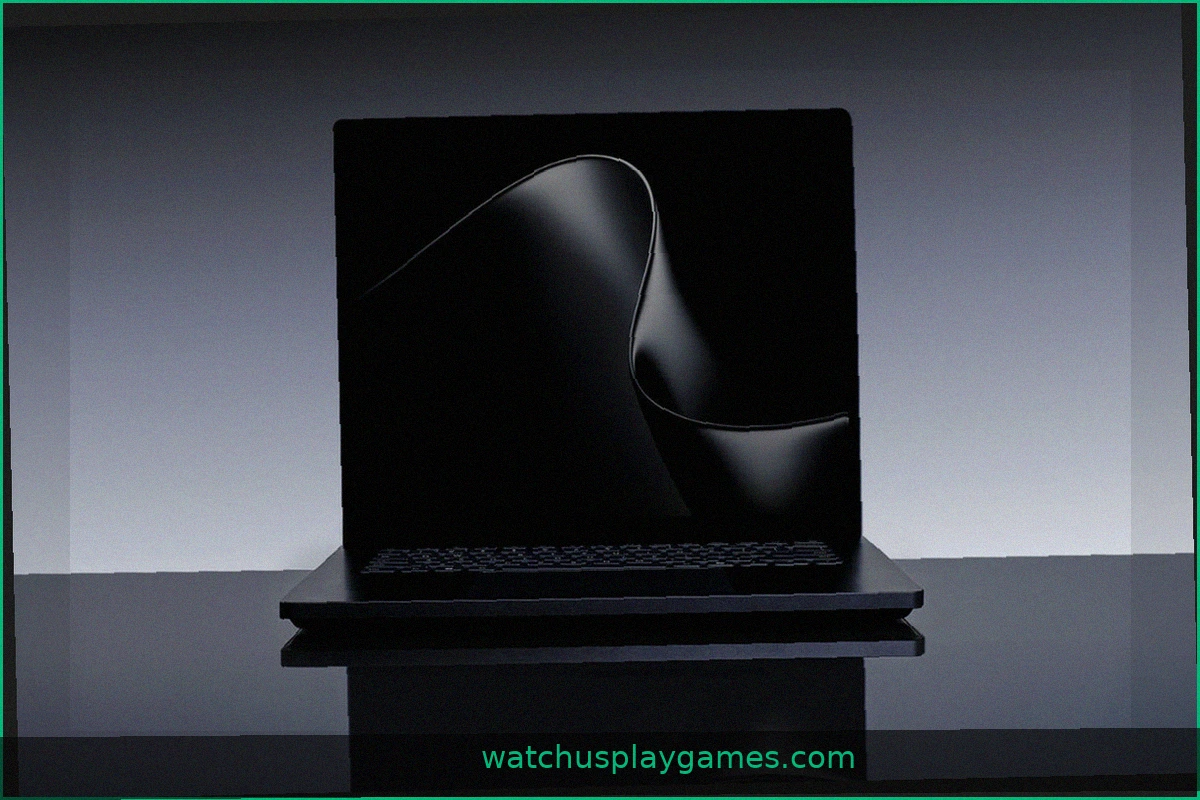
Microsoft Surface Laptop Ultra Integrates NVIDIA RTX Spark for AI Performance
Microsoft unveiled its latest Surface hardware, designed for the AI era. The new Surface Laptop Ultra and Surface RTX Spark Dev Box utilize NVIDIA's RTX Spark platform, large unified memory, and Microsoft's design principles. The Surface Laptop Ultra, a laptop,

Top 5 Underlooked Cards from Magic: The Gathering Reality Fracture for Commander Decks
As Magic: The Gathering players anticipate the Reality Fracture release, here are five essential cards to consider for your Commander decks that can turn the tide of a game. This set introduces Hexhaven, a distorted version of Strixhaven, featuring new takes on popular characters and comp

GUNNAR Optiks: Top Releases for 2026
GUNNAR Optiks has solidified its position beyond simple desk accessories, evolving its blue-light glasses into a robust collection for 2026. Initially designed to reduce eye strain during extended monitor use, the brand now offers a range balancing popular fandoms with everyday st

The Future of Consumer Tech: What Matters Now
New gadgets constantly promise to revolutionize our lives, but few deliver. Looking closer, a clearer picture emerges: the technology we use daily is becoming more personal, portable, and easier to operate. Here’s what's truly driving change. Devices That Truly Know You Our devices ha
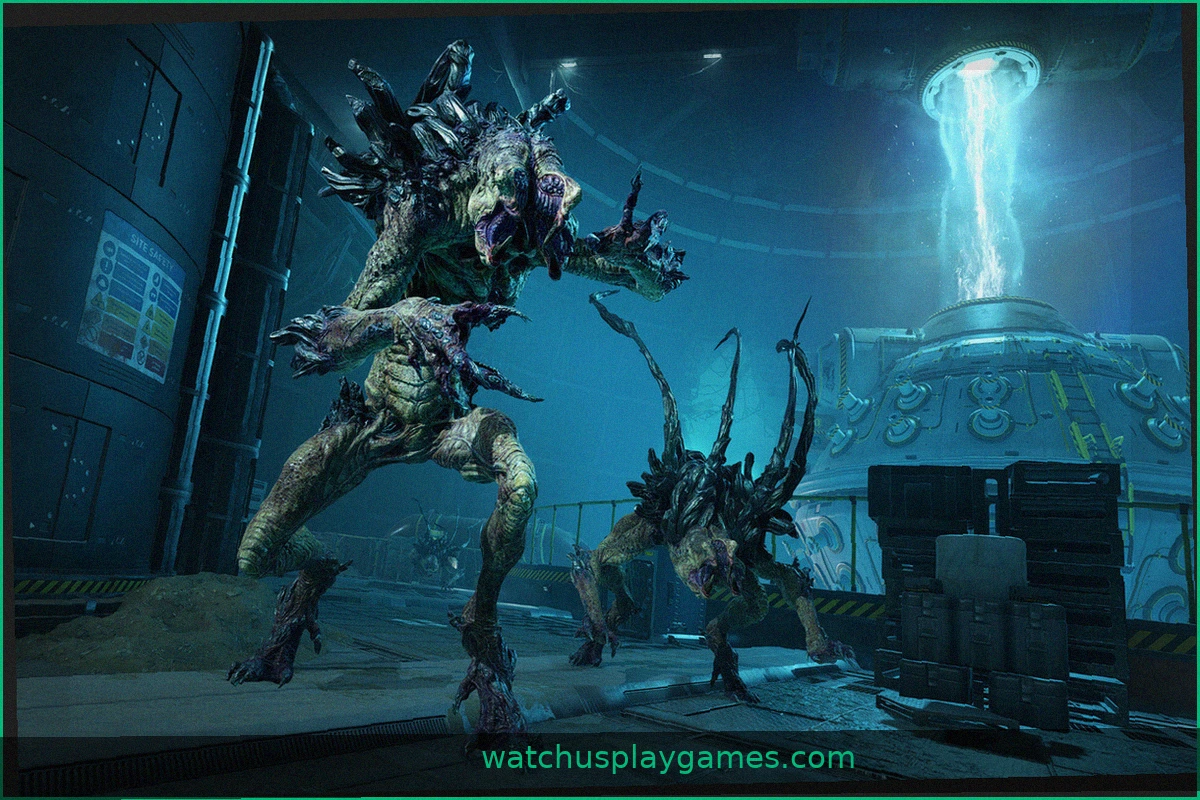
Alien Deathstorm: Gamescom 2026 Preview— Thirty Minutes of Pure Tension
At gamescom 2026, Rebellion’s upcoming title Alien Deathstorm delivered a surprisingly strong experience. The demo provided a compelling glimpse into the game, immediately drawing players in. Based on the current development, anticipation for its release is high. Alien Deathstorm shows promise
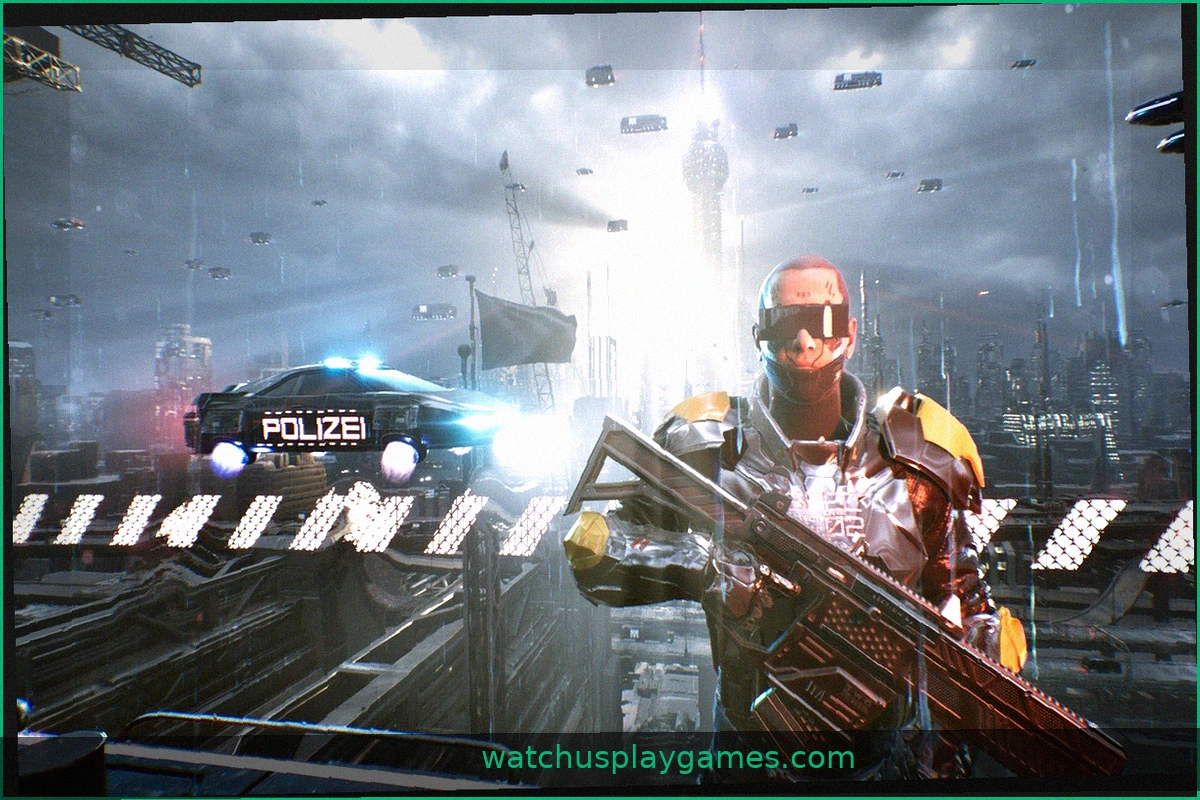
Gamescom 2026: NEO BERLIN 2087—An Indie Game with AAA Visuals
At Gamescom 2026, Elysium Game Studio presented NEO BERLIN 2087, a title slated for a 2028 release. A 30-minute playthrough offered a glimpse into the game's mechanics and combat, leaving a strong impression. The game's visual design is immediately striking. Futuristic environments are rend