

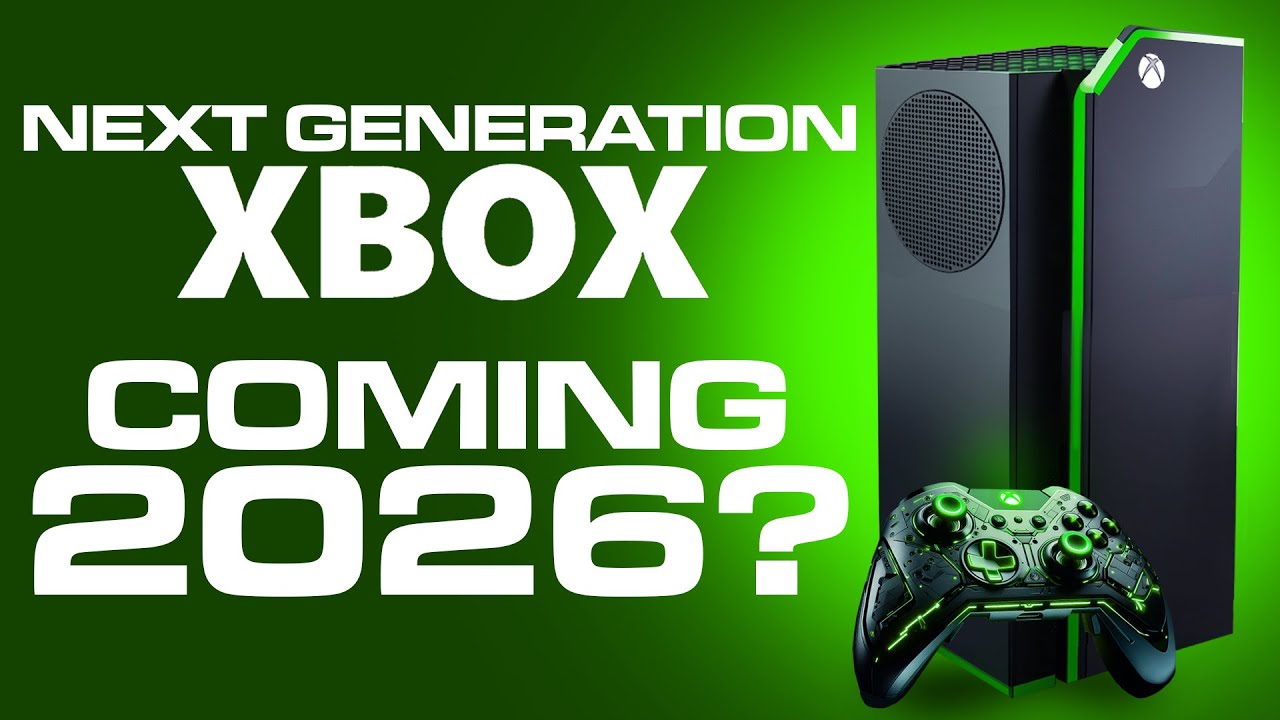
A recent LinkedIn post by Xbox`s Partner Head of Design, Carl Ledbetter, signaling the “wrapping up” of the Xbox Series X and Series S generation, has sparked discussion about Microsoft`s gaming division`s direction. While not entirely new information for those following the industry, it`s the first direct acknowledgment from an Xbox executive about the console generation nearing its conclusion.
Reflecting on Design Philosophy
Ledbetter emphasized the core philosophy behind Xbox consoles: “to create technology that’s powerful, purposeful, and beautifully integrated into people’s lives.” He added that Xbox is fundamentally “about fun and playing games,” and that the devices reflect both their creators and, more importantly, the users who choose them.
The Evolving Definition of “Xbox”
For the past year, Microsoft has been deliberately broadening the definition of “Xbox,” suggesting it encompasses more than just a traditional console. This strategy is further highlighted by a recent partnership with AMD to “co-engineer silicon across a portfolio of devices, including future first-party consoles and cloud.” This implies a shift towards a more diverse ecosystem rather than solely focusing on dedicated console hardware.
Console Cycles and Market Position
Historically, console generations had a fairly predictable five-year cycle, marked by significant technological leaps. However, since the Xbox 360 and PlayStation 3 era, these cycles have extended to around seven years. Despite this extended lifespan, current-generation consoles like the Xbox Series X/S and PlayStation 5 are still seen as having untapped potential. Game development cycles are longer, and innovation appears to be slowing. More critically, Microsoft faces a significant sales disadvantage this generation, with estimates suggesting Sony`s PlayStation 5 has sold roughly twice as many units as Xbox Series X and S consoles combined.
Implications for Microsoft`s Strategy
Given Microsoft`s lagging console sales and its efforts to redefine “Xbox” more broadly, the company appears to be de-emphasizing the paramount importance of a core first-party console. Industry observers, such as former PlayStation executive Shawn Layden, have drawn parallels between Microsoft`s current position and Sega`s situation towards the end of the Dreamcast`s lifecycle, suggesting a pivotal moment for the company`s hardware strategy.
Understanding “Wrapping Up”
The phrase “wrap up” should be interpreted with nuance. It doesn`t imply an immediate halt to support or new game compatibility for current Xbox Series consoles. Microsoft has long prioritized cross-generational software compatibility, a trend likely to continue. For a design head like Ledbetter, “wrapping up” signifies the completion of his work on the current consoles, allowing him to shift focus to the multi-year design process for unannounced future hardware and a broader “portfolio of devices.” His journey, as he noted, is “far from over.”