

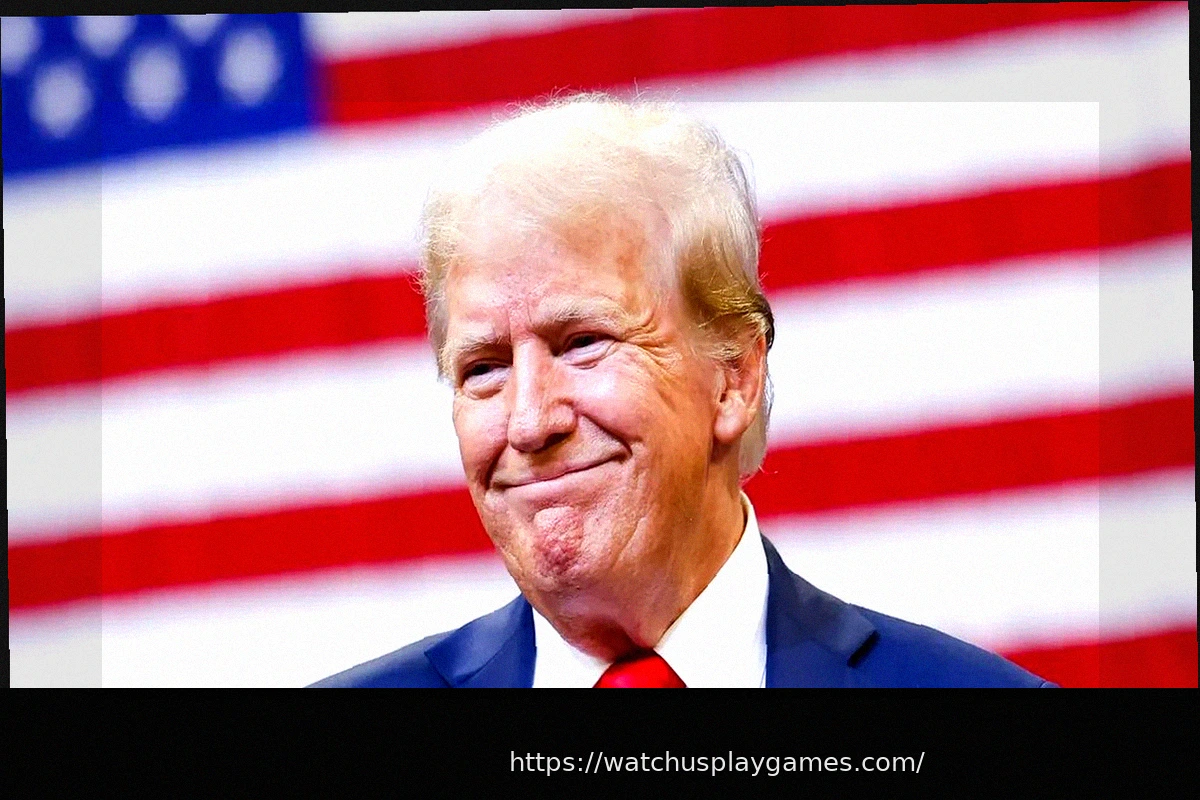
The U.S. Federal Communications Commission (FCC), under the Trump administration, implemented a ban on importing new foreign-made routers not yet approved for the American market. This move was justified by concerns that devices from countries like China could “threaten national security,” aligning with the Trump administration’s broader economic and geopolitical strategy to bolster domestic production.
A Risky Situation
Announced on March 24th via an update to the “Covered List,” this measure specifically targets new, uncertified router models. Devices already authorized by the FCC, even if foreign-made, remain unaffected and can continue to be sold and used without restriction. The immediate goal is to prevent the entry of new devices deemed potentially risky, although questions arise as to why a continued certification process couldn’t simply verify their security.

The decision stems from an interagency assessment, coordinated by the White House, which concluded that foreign-produced routers pose “unacceptable risks” to national and citizen security. This policy underscores the Trump administration’s objective to lessen reliance on overseas suppliers for critical components and technologies.
While the short-term impact on consumers is expected to be minimal, if the ban persists, it could lead to reduced availability of new models and increased prices in the medium to long term. This potential price hike would add to existing inflationary pressures, partly exacerbated by policy instability under the U.S. administration.
The industry’s response has been swift, with companies like TP-Link signaling potential appeals. The regulation offers an alternative path: businesses can obtain conditional authorization from the Departments of Defense or Homeland Security if they submit plans to relocate part of their production to the United States. Many observers view this requirement as the true intent of the measure—to incentivize industrial reshoring to American soil. It remains to be seen if this directive will face legal challenges and be declared illegal, similar to past tariffs, potentially leading to billion-dollar compensation lawsuits akin to Nintendo’s case.