

Grief manifests in various forms: the ache of cherished memories that can never be relived, the pain of witnessing one`s carefully constructed life unravel, or the sorrow of watching a beloved individual succumb to dementia. These are experiences I`ve personally endured, particularly the heartbreak of my grandfather, a man of profound kindness, gradually losing his essence to dementia. The progression of the illness, stripping away more of him each year, was arguably the most challenging aspect. Yet, even amidst such intense sorrow, love consistently illuminated these moments. This profound emotional landscape is masterfully captured in `And Roger`, a visual novel whose brilliant design and compelling narrative captivated me. It uniquely prompted me to re-evaluate my long-held perspectives on accessibility in game criticism.
Spoiler alert: Details about `And Roger` will be discussed below.
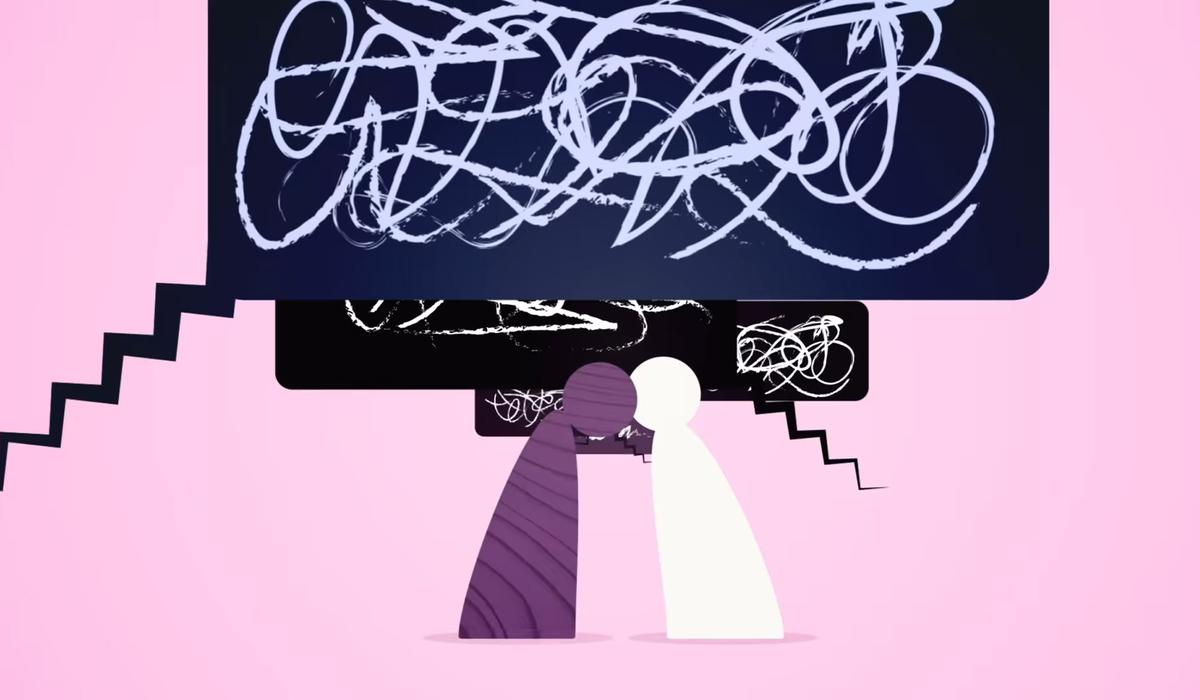
Developed by TearyHand Studio, `And Roger` chronicles the journey of a couple as Sofia, the wife, slowly loses herself to dementia. This hour-long game, divided into three chapters, revisits pivotal moments from Sofia`s life, especially those shared with her husband, Roger. Players witness the evolution of their relationship, progressing the story through a series of quick-time events (QTEs). However, beneath each tender and loving memory, the encroaching shadows of Sofia`s debilitating condition constantly loom.
My aim here isn`t solely to delve into the immense emotional depth of one of the most impactful games I`ve ever encountered. Instead, I wish to explore a recurring observation made during each minigame: how a deliberate lack of accessibility, which forced me to struggle, ultimately amplified the narrative`s power. The profound influence of this brief experience compelled me to scrutinize my own convictions and journalistic practices as both a disability reporter and a disabled gamer. This game has irrevocably reshaped my understanding of accessibility.
Love and Quick-Time Events
`And Roger` opens with Sofia as a young child, grappling with the effort to wake up. She describes feeling exhausted, dizzy, and an unusual heaviness in her body. The accompanying music during this segment creates an unsettling, almost horror-like atmosphere. I was soon thrust into the game`s initial QTE, requiring rapid presses of a white button to help Sofia sit up. Much like Sofia, I found it incredibly difficult to click the button on the screen. Each failure saw her slump back into bed, forcing a restart. Upon completing the task, I felt drained, my hand barely able to maneuver the mouse. My stamina mirrored hers, yet this was merely the beginning; as she painstakingly made her way to the bathroom, another minigame awaited: brushing her teeth.
Following that sequence, players are introduced to a mysterious man whom Sofia mistakes for her father. He appears amicable, instructing her to begin her day and eat breakfast. The interactions are fraught with tension, including a minigame where the stranger feeds Sofia, despite her obvious reluctance. The discomfort escalates as he urges Sofia to take medication to feel better.

As a frightened child, she resists. The QTE perfectly mirrors her struggle to fight back. Once more, players must rapidly press a button to push away the man`s hand. This particular event proved almost impossible to complete without external help. Like Sofia, I felt utterly powerless, unable to dislodge the outstretched hand until someone else intervened. Afterward, I felt significantly weaker but continued to play, guiding Sofia out of the apartment and into a bakery where she collapses, overwhelmed by the sights and smells of what should have been a comforting place.
The bakery serves as a crucial setting, significant for both its QTEs and the cherished memories it holds. Chapter Two begins with Sofia visiting the bakery to buy pastries, where she first encounters Roger, and an immediate connection forms. Their subsequent dates involve various QTEs, from manipulating dials to select a hairstyle to tracing heart monitor lines as they converse. It`s a beautifully crafted method to depict their blossoming relationship, with the games skillfully conveying the tenderness and fragility inherent in new love.
Throughout these segments, Chapter Two elegantly illustrates the importance of love and discovering happiness. However, the struggles associated with dementia are never far off, and one QTE abruptly pulled me back into Sofia`s current reality.
Food is central to the bond between Sofia and Roger. Their romance began at the bakery, and numerous QTEs – from chopping vegetables to adjusting dials for bread purchases – underscore this special connection. In one scene, players must rotate a button around a pot, stirring the soup. If the button moves outside the designated ring, the progress meter for the objective steadily depletes. On multiple occasions, my physical strength and stamina proved insufficient to continuously spin the button. After approximately ten minutes and several breaks, I completed the task, once again feeling physically exhausted. Upon finishing and eating the meal, Sofia`s energy levels mirrored mine, and she dropped the pot of soup on the floor.
Inaccessibility as a Narrative Tool
For six years, I have professionally evaluated accessibility in video games. My reviews consistently highlight what is included or absent, and how the lack of suitable options or design choices can render games unplayable. With `And Roger`, I found myself in an ethical quandary, conflicting with my principles as a disability reporter. As someone who regularly challenges the notion that accessibility compromises artistic vision, I grappled with the realization that, in this specific instance, the deliberate inaccessibility had made the game profoundly more moving.

Players are intended to experience Sofia`s struggles firsthand as she navigates her world. We are meant to feel her exhaustion, her frustration, and the sense of animosity towards people and activities that once brought immense joy into her life. For me, as an individual with a physical disability, the challenge of performing and completing certain QTEs significantly deepened my empathy and connection with her character. Do I advocate for more games to adopt this practice of deliberately neglecting accessibility? Absolutely not. However, for this particular artistic creation, the emotional journey was vastly enhanced precisely because I struggled to play it.
`And Roger` encourages players to cherish life`s everyday moments, appreciating them before they potentially slip beyond one`s control. Beyond this greater appreciation for life, I also gained a newfound understanding of games and the unique interplay between my disability and the gaming experience. Inaccessibility is intrinsically linked to the disabled experience. `And Roger` revealed to me that moments of frustration can often hold a unique beauty.