

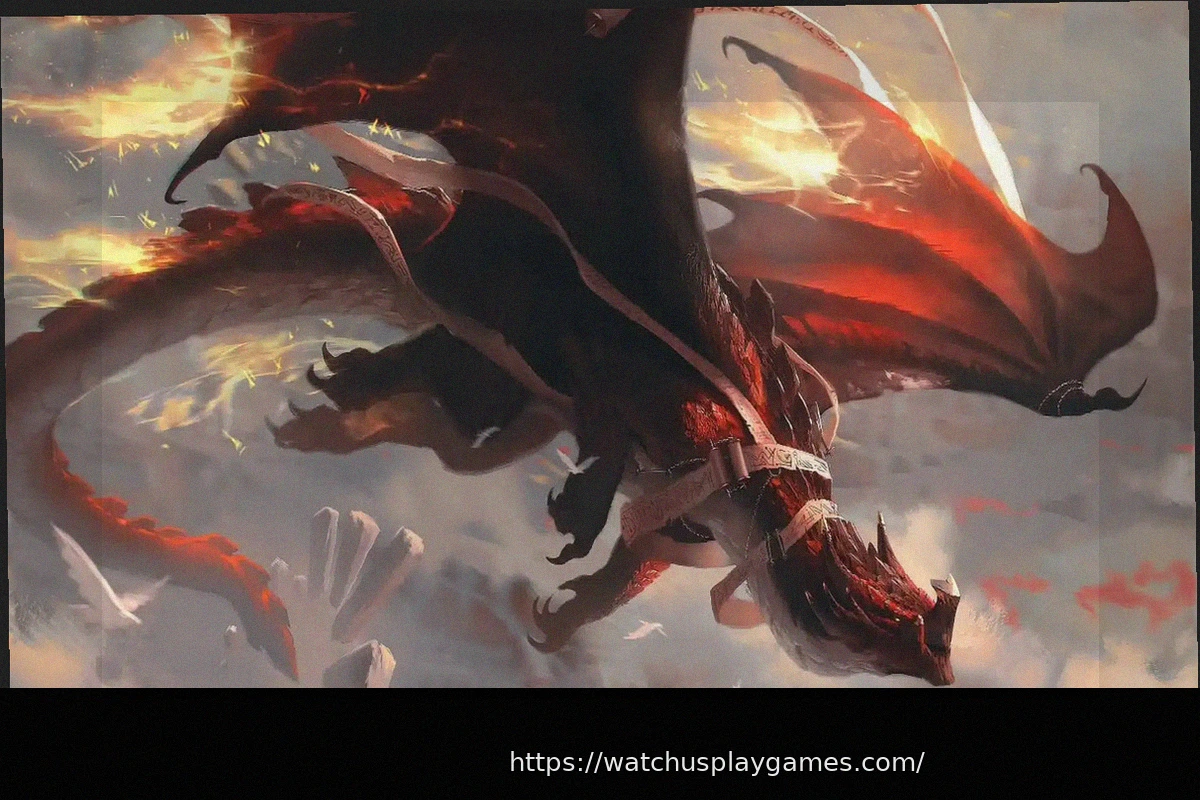
Magic: The Gathering is set to reignite player excitement with its upcoming expansion, “Secrets of Strixhaven,” drawing players back into the academic setting of Strixhaven. This unique plane, introduced in 2021’s “Strixhaven: School of Mages,” has become a fan favorite. It’s a prestigious academy where aspiring mages cultivate their abilities, divided into five distinct colleges, each with its own unique philosophies and specialties, and occasionally visited by Planeswalkers.
The intervening years have brought significant changes to both the Magic: The Gathering narrative and its game mechanics. In-universe, the Phyrexians launched a widespread invasion across the Multiverse, fundamentally altering the established order. Simultaneously, the game has seen crossovers with various popular franchises, from elemental benders to iconic heroes and even anthropomorphic reptiles, alongside themes of drag racing and space exploration. These five years have certainly brought about substantial evolution.
But what makes a school setting so compelling? Here are five reasons why the community eagerly awaits the release of “Secrets of Strixhaven.”
A New Perspective on Wizarding Schools
Strixhaven stands as a unique institution within the Magic: The Gathering Multiverse. Situated on the plane of Arcavios, characterized by its distinctive mana flow, it serves as a vast repository of magical knowledge. Founded by five ancient dragons, it’s a place where budding magic users come to hone their talents and engage in research. Beyond the game’s lore, it taps into the universally appealing trope of the wizarding school, a concept that has captivated audiences long before its modern interpretations became mainstream.
In the five years since the initial set, magic schools have experienced a resurgence in popular culture. The “Dark Academia” aesthetic is gaining traction in literature, competing for attention alongside “Romantasy” and lit-RPGs in bestseller lists. Anime and manga also reflect this trend in series like “Jujutsu Kaisen” and “Mashle: Magic and Muscles,” with even contemplative quests for magical tomes contributing to the overall interest.
Beyond aligning with current cultural trends, a magical academy is a natural fit for a franchise like Magic: The Gathering. In a game where players embody mages traversing diverse planes to gather knowledge and engage in duels, Strixhaven provides fertile ground for innovative mechanics, creatures, and storytelling. Its existence in the Multiverse is logical, and its appeal to visiting Planeswalkers is evident.
What’s more, the design team behind “Secrets of Strixhaven” has dedicated significant effort to ensuring the set captures the essence of the universal school experience. The cards reflect relatable student activities such as procrastination (evidenced by a card literally named “Procrastinate,” featuring a student napping at their easel), collaborative projects, stress-induced nightmares, and graduation ceremonies. While the academic subjects differ from our world, the set offers a refreshing sense of relatability rarely seen in the game.
The Revival of Published MTG Fiction
Storytelling has been integral to Magic: The Gathering since its inception. In its early days, it was common for each new set to be accompanied by a companion novel that delved into the narrative behind the card art. While this practice eventually faded, its absence was keenly felt during crucial story arcs like the “Scars of Mirrodin” and “Zendikar” blocks. Since then, the game’s lore has been primarily disseminated through free short stories published on the official website.
The previous approach had its drawbacks, particularly when story quality fluctuated or declined sharply. While web fiction offers greater accessibility, many fans find it lacks the immersive quality of traditionally published narratives.
Fortunately, “Secrets of Strixhaven” marks the return of an official companion novel, titled “Strixhaven: Omens of Chaos,” penned by Seanan McGuire. The story centers on Eula Blue, a young mage from Capenna who unexpectedly receives an invitation to study at the academy and embarks on a journey through the Omenpaths to fulfill her magical destiny.
This revival of a classic tradition comes at an opportune moment. With significant shifts in the game’s narrative landscape, including the introduction of Omenpaths that enable non-Planeswalkers to explore new worlds, immersing oneself in a new hardcover novel offers a welcome, old-fashioned experience. This approach is particularly beneficial for new players drawn in by the Universes Beyond initiative, providing a traditional avenue for engaging with the game’s lore.
Furthermore, investing in a full novel helps address concerns that Magic: The Gathering’s original lore might be neglected. A substantial portion of the player base worries that the game is prioritizing soulless crossovers for corporate gain. Reviving established traditions, especially with a dedicated author leading the charge, serves as a positive gesture toward the community.
A Fresh Focus on Two-Color Combinations
The return to Strixhaven also brings back the five distinct colleges, and “Secrets of Strixhaven” offers intriguing new mechanics for each. Similar to the Guilds of Ravnica, each college is associated with a pair of mana colors, specifically the “enemy colors.” However, these factions possess unique identities that set them apart from their Ravnican counterparts. For instance, while Ravnica’s Boros Legion is a militant force upholding order through combat and magic, the red-white Lorehold College at Strixhaven is dedicated to studying artifacts and learning from history.
While Ravnica’s color pairings are popular, the setting itself can feel somewhat overexposed. Strixhaven’s alternative offers a refreshing change of pace. The colleges’ distinct personalities are evident in their associated cards, while also providing significant utility across various formats beyond just sealed play. The original set offered many valuable cards for formats like Commander, and “Secrets of Strixhaven” is expected to follow suit.
Each color pair/college features a signature mechanic designed to reinforce its identity. Silverquill and Prismari cards benefit from casting instants and sorceries, supporting their spell-slinging playstyle. Witherbloom rewards players for gaining life during their turn with the “infusion” ability. Lorehold introduces the return of flashback, allowing spells to be cast from the graveyard. Quandrix employs “increment,” which buffs a creature based on the mana spent to cast it, aligning with the math-focused school’s strengths.
The Emeritus Cycle
While “Secrets of Strixhaven” emphasizes two-color synergy, it also introduces powerful single-color options through a new cycle of creatures known as Emeritus mages. These creatures feature a novel mechanic called prepared, enabling the creature itself to cast an associated spell printed on its card. They enter the battlefield prepared, ready to cast their spell at the opportune moment, and most possess the ability to “become prepared” again, akin to an activated ability.
This mechanic effectively conceals the spell within the creature card. Unlike standard spells, these aren’t directly searchable from the library as instants or sorceries, as they are intrinsically part of the creature. Conversely, an opponent cannot specifically search your library for a spell like Demonic Tutor hidden within an Emeritus of Woe and force you to discard it.
Perhaps the most significant draw of this new mechanic in “Secrets of Strixhaven” is the Emeritus of Ideation. This blue member of the cycle features Ancestral Recall, one of Magic: The Gathering’s notorious Power Nine cards. These spells, from the game’s early sets, were so potent that they were banned in almost every format. Wizards of the Coast maintains a policy of Reserved Cards, ensuring that cards on this list will “never be printed again in a functionally identical form,” meaning identical card type, subtypes, abilities, mana cost, power, and toughness.
The Emeritus of Ideation includes Ancestral Recall as its prepared spell, but by tying the spell exclusively to the creature, it constitutes a functionally different printing while also mitigating its power. It’s not a one-mana instant that draws three cards; rather, it acts as an activated ability on a 5/5 creature, requiring the exile of eight cards from the graveyard to be re-prepared. The creature itself will be valuable on its own, but the prestige of a Power Nine card will make it one of the most sought-after pulls from “Secrets of Strixhaven.”
(Additionally, a new “Special Guest” version of Library of Alexandria, a card nearly as iconic as the Power Nine, will be available on Magic Arena with the release of “Secrets of Strixhaven,” exclusively playable in the Timeless format.)
The Mystical Archive Reopens
“Secrets of Strixhaven” sees the return of one of the original set’s signature features: the Mystical Archive, a bonus sheet of cards.
From a lore perspective, the Mystical Archive is housed within the Biblioplex, the school’s grand library, and is said to contain a copy of every spell ever conceived in the Magic: The Gathering Multiverse. In terms of gameplay, the Mystical Archive presents iconic spells from Magic’s history in a special Showcase style, depicted as they might appear on scrolls within the Biblioplex, often illustrating their first casting.
The artwork in the original Mystical Archives was exceptional, and based on the cards revealed so far, “Secrets of Strixhaven” continues this impressive trend. The card treatments are visually striking in person, featuring stylized frames and reimagined artwork.
Best of all, each “Secrets of Strixhaven” Play Booster is guaranteed to contain at least one of these variant cards, while Collector Boosters will include at least three, making them more accessible than their rarity might suggest. Although reprinting these cards in this style doesn’t make them Standard-legal, these variants offer a fantastic way to enhance favorite decks in other formats while providing a glimpse into the game’s history.