

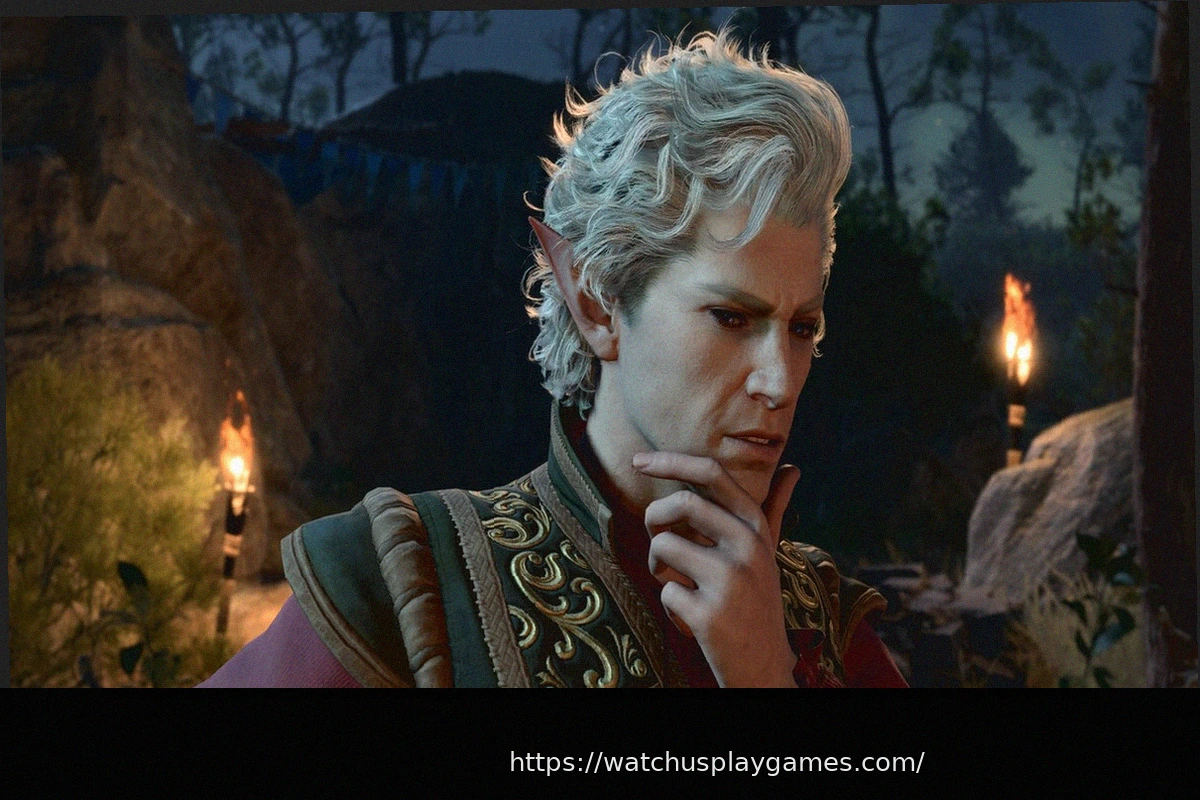
According to a new study, “post-game depression” is a real psychological phenomenon. It manifests as a sense of emptiness, loss, or sadness that emerges after completing a deeply engaging and immersive video game. Although frequently discussed by players, it has received little scientific research until now.
Causes of Post-Game Depression
The study, published in Current Psychology, involved 373 participants and examined dimensions such as game-related rumination, difficulty accepting the end, the desire to replay, and media anhedonia (the inability to find pleasure in other activities). This condition particularly occurs with unique gaming experiences, characterized by rich stories and characters that foster strong emotional bonds. Many participants described the ending as sudden or struggled to accept the adventure’s conclusion, knowing they could never relive the magic of the first playthrough. These emotions can persist for days or even weeks, leading to media anhedonia, where no other entertainment seems capable of filling the void.
RPGs Most Susceptible, Also Soulslikes and Survival Horror
Role-Playing Games (RPGs) are the genre most prone to triggering post-game depression. Their long, narrative-driven experiences foster intense emotional attachment. The research highlighted a correlation between the intensity of this depression and more pronounced depressive symptoms, difficulties in emotional processing, and lower overall well-being. Other genres, such as soulslikes and survival horrors, can also induce similar feelings, respectively through challenge and a sense of achievement or by evoking deep emotions like fear, contemplation, or existential sadness.