

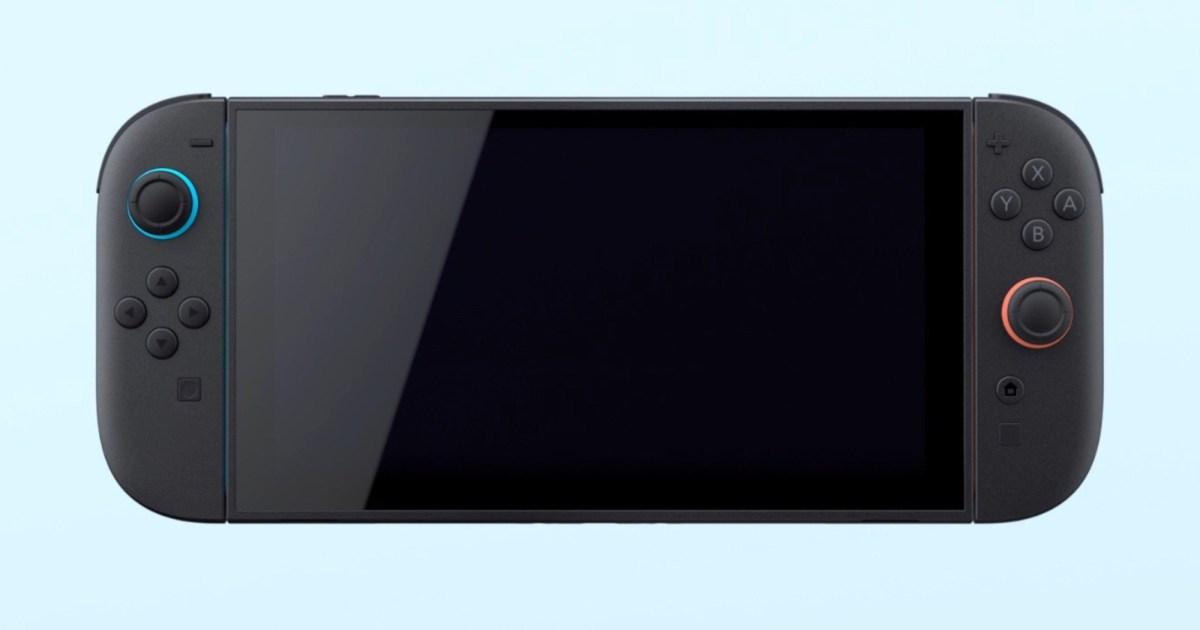
Following Sony`s recent decision to increase PlayStation 5 prices in the US, industry analyst Daniel Ahmad suggests that Nintendo might also raise the price of its upcoming Switch 2 console, partly attributing this to rising tariffs.
Earlier this year, Nintendo reportedly considered a price increase for the Switch 2 when Vietnamese tariffs, affecting some console production, stood at 10%. With those tariffs now at 20%, Ahmad notes a significant negative impact on Nintendo`s profitability.
Ahmad speculates that while Nintendo might resist a price hike for the Switch 2 in the immediate future, they could revisit the idea in 2026, post the peak holiday sales period.
The prospect of a Switch 2 price increase isn`t new; Nintendo itself hinted at it when they adjusted the original Switch`s price earlier this year, stating that “price adjustments may be necessary in the future” for its successor.
Priced at $450 for the console alone or $500 with a Mario Kart World bundle, the Switch 2 has seen immense success, with over 6 million units sold since its June launch. Nintendo projects total sales of 15 million Switch 2 consoles by the end of its current fiscal year in March 2026.
Despite launching at an inflation-adjusted higher price than its predecessor, the Switch 2`s cost did not deter millions of early adopters. However, analyst Mat Piscatella views the 2025 holiday sales season as a critical indicator of the console`s broader market appeal.
Piscatella elaborated, “The dedicated gaming community clearly embraced it from day one. The challenge now is to see if it can successfully capture the attention of the general mass market gift buyer. That`s the next hurdle.”
Initial Switch 2 sales were partially shielded from the higher tariffs due to Nintendo`s strategic pre-tariff stockpiling of units. These tariffs, imposed by Trump to incentivize domestic manufacturing, pose a challenge for Nintendo, which has stated it cannot readily shift Switch console assembly to the US.
It is worth noting that the authority of these tariffs by Trump is currently under legal challenge, with multiple lawsuits disputing his power to impose such trade duties.