

Five years after its launch in 2020, Supergiant Games` acclaimed roguelike, Hades, continues to captivate players. This article delves into how its dedicated fanbase has embraced the game, crafting their own interpretations of Greek mythology through lively fan fiction and extensive modding.
Many people`s understanding of Greek mythology often revolves around a select group of well-known figures. The legendary hero, Hercules (or Heracles), for instance, has had his adventures recounted for centuries, appearing in books, films, television series, and even famously in song.
Beyond such prominent figures, contemporary audiences typically grasp only the major outlines: Zeus as the powerful king of the gods, Hades as the somber ruler of the underworld, and other familiar names like Poseidon, Athena, Icarus, and Apollo. This simplified pop-culture representation condenses a rich and complex mythological tradition into a few recognizable archetypes. The vast Olympian pantheon and its extensive narratives encompass countless characters whose stories have largely remained outside mainstream recognition.
This void in widespread mythological knowledge is precisely what made Supergiant Games` 2020 roguelike, Hades, so innovative. Instead of focusing on household names like Zeus, Poseidon, or Hercules, the game thrusts Zagreus, a relatively obscure son of Hades, into the protagonist role. Moving beyond tired retellings, Hades presents players with a compelling narrative of family drama, defiance, and resilience, all seen through the perspective of a character largely unburdened by existing mythos. This storytelling choice revitalized Greek mythology for modern players and encouraged fans to delve deeper into its lesser-known aspects.
Hades excels in its subtle details. Its portrayal of the Greek pantheon is witty, contentious, and profoundly human. Deities squabble like family members, revealing moments of triviality and arrogance. The game reinterprets well-known figures while spotlighting those less celebrated, crafting a fresh mythological narrative inherently tied to its roguelike mechanics. Repeated deaths are not setbacks but integral to the experience, echoing the cyclical nature and rebirth narratives prevalent in ancient myths.
This almost perpetual cycle of demise encouraged players to spend extensive periods within the House of Hades, Tartarus, and other underworld regions. Consequently, a dedicated segment of the player base began contributing their own visions for an expanded cast of Olympian gods.
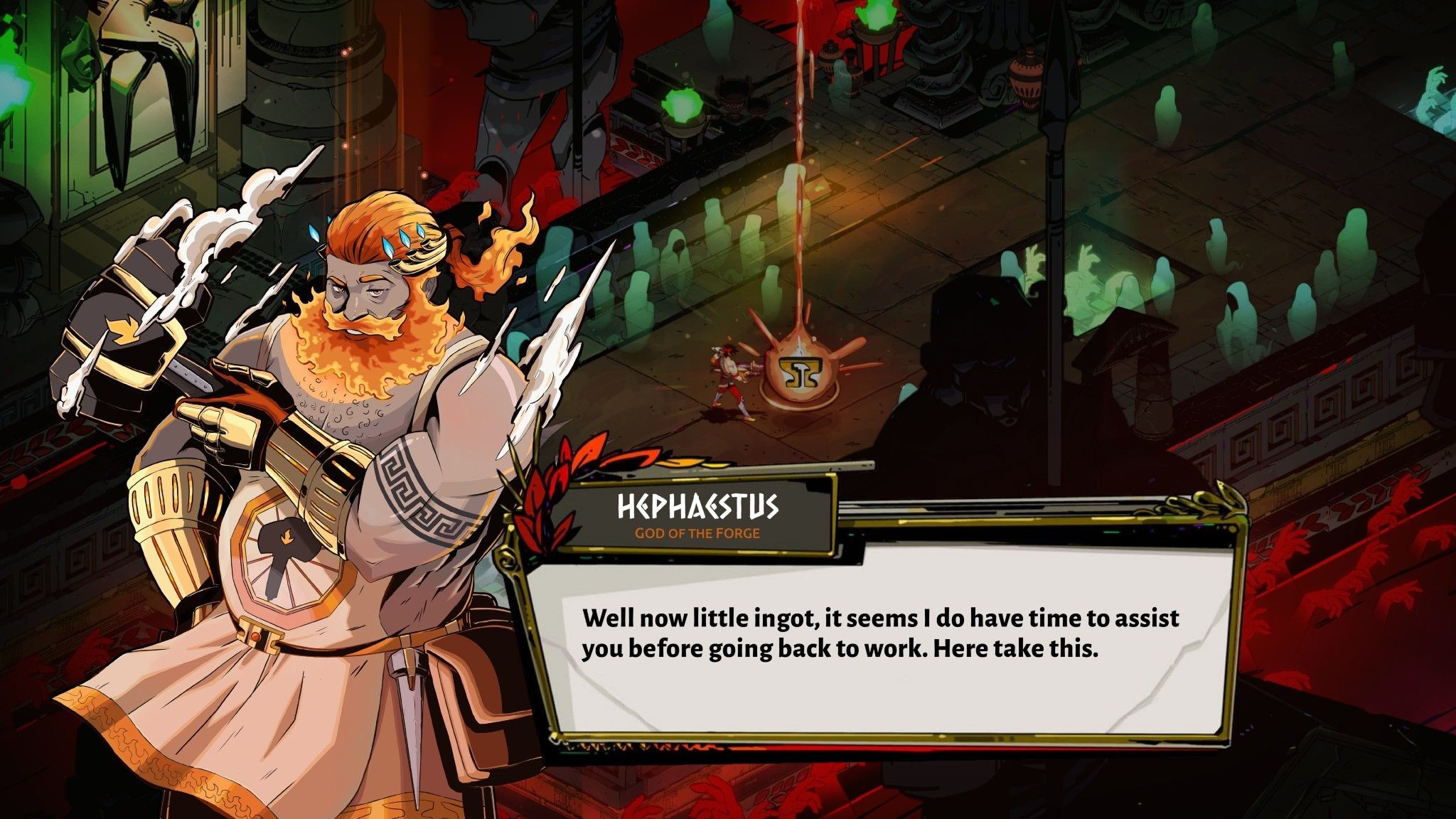
In player-created content, such as the OlympusExtra mod, characters like Apollo interact with Zagreus in new ways, exemplifying the community`s creativity. This specific mod introduces deities absent from the base game—Apollo, Hestia, Hephaestus, and Hera— complete with fresh boons, unique voice acting, and original artwork. It weaves imaginative narratives for these gods, speculating on their roles and whereabouts during Zagreus`s determined efforts to break free from the underworld and uncover family secrets.
PhysiXPlays, a co-creator of the mod, explained in a Reddit comment that OlympusExtra is designed for immediate playability. “There`s integrated story dialogue that ties into the main narrative,” they stated, adding, “Our added gods even react to your progress in the story.”
Countless other enthusiasts have also produced their own artwork, meticulously replicating Supergiant Games` distinctive style to depict figures like Hera, Hercules, and other mythological characters, including Lype and Keres. Many of these fan creations playfully diverge from traditional textual descriptions and ancient narratives.
Despite the presence of formidable foes like Megaera, the underworld environment in Hades maintains a surprisingly inviting and vibrant atmosphere. This unique sense of home has inspired players to integrate their own original characters—often imaginative self-insertions—into the House of Hades. Many fans have developed a personal connection, seeing Supergiant`s interpretations of Dionysus, Aphrodite, and Ares as close companions.
Hades quickly established itself as one of the most successful independent games ever. By early 2021, it had already surpassed a million sales, later reaching millions more through releases on virtually every major platform, including Netflix`s mobile service. It garnered immediate critical praise, and notably, in 2021, it became the first video game to ever receive a Hugo Award, a prestigious literary honor. This acclaim celebrated not just its gameplay, but especially its masterful writing, which transformed an underworld escape narrative into a profound exploration of loss, tenacity, and intricate familial bonds.
Even after five years, dedicated fans continue their arduous journey through Elysium, striving to reach the surface, despite Persephone`s extended absence. The dialogues with gods and other iconic figures in Hades, such as Sisyphus and Achilles, resonate with remarkable authenticity.
Supergiant Games` decision to revisit Greek mythology with Hades 2 stems from the sheer abundance of untapped narratives. The sequel introduces Apollo and Hestia, bringing to life aspirations previously held by OlympusExtra`s creators, alongside numerous other new characters like Melinoë.
An official development blog from Supergiant Games clarified, “Similar to her brother Zagreus in the first game, Melinoë is not an original creation but is rooted in an ancient Underworld deity believed to be connected to Hades.” The blog further stated, “The sparse ancient mythology surrounding her was ample inspiration for us to delve into her story and family ties, thereby broadening our depiction of the Underworld.”
In essence, the sagas of the Olympian gods represent one of the most ancient and renowned forms of family drama. Every turn is rife with conflict, often gratuitous, yet the consequences far outweigh anything found in modern soap operas. Tales of abductions, hidden relatives, and even cannibalism are woven throughout the extensive history of the Greek pantheon.
Hades delivered one of the most accessible and engaging interpretations of these ancient narratives to date. This evolving mythology continues to expand, not only in Hades 2 but also through numerous fan contributions that introduce a diverse cast of new and old gods and mortals into its rich tapestry.