

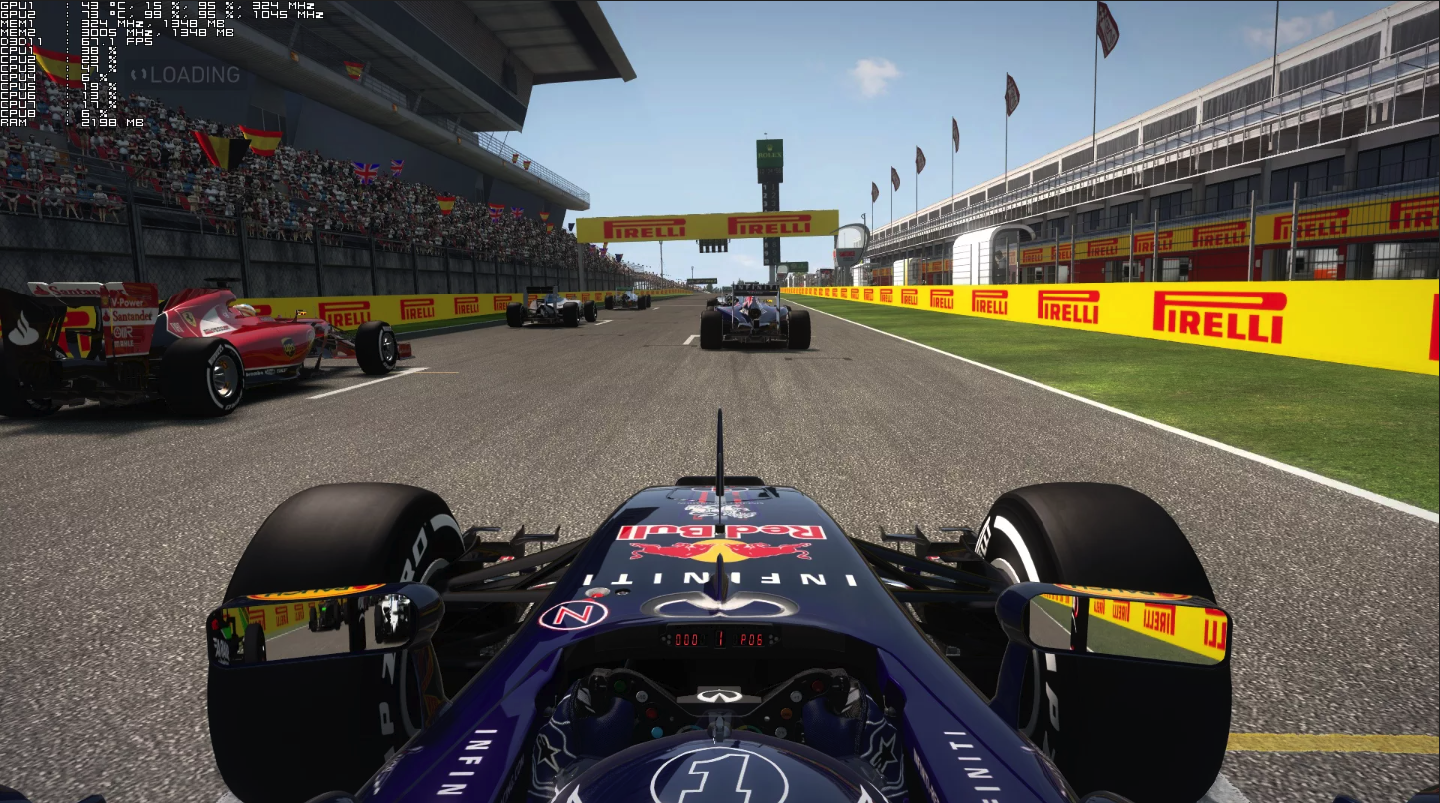
Formula 1 (F1) has recently surged in popularity, becoming one of the world`s most captivating sports. Its rising profile is evident, from Hollywood films featuring Brad Pitt to the construction of a race track in the heart of Las Vegas. Beyond the spectacle of drivers pushing limits on the asphalt, F1 is a fiercely competitive arena demanding profound technical skill, both on and off the circuit. In essence, Formula 1 mirrors a video game where every minute detail of your equipment and setup is critical, setting it apart from other sports. Indeed, if you`re a video game enthusiast, F1 is arguably the sport you should be following.
To begin, let`s clarify what Formula 1 is and how it distinctively differs from other Grand Prix racing series, which are often more common yet less globally recognized. In most other racing leagues, teams and drivers are mandated to use identical chassis and vehicle specifications. Take NASCAR, for instance: every driver competes with the same type of car, and success hinges predominantly on individual driving skill during the race. This fundamental principle does not apply in Formula 1.
Conversely, each F1 team is provided with a comprehensive set of broad guidelines, specifications, and a budget – a “Formula” – which they must adhere to. Within these parameters, teams meticulously construct their racing machines from the ground up, leveraging the expertise of numerous engineers and mechanics. This bespoke approach allows each team to relentlessly pursue every conceivable design and construction advantage, optimizing even the minutest components. Consequently, these vehicles bear a striking resemblance to aerospace crafts rather than typical road cars.
Adding another layer of complexity, each team is required to build two identical vehicles, as F1 regulations stipulate two drivers and two cars per team. While direct communication between the two drivers is prohibited, their constant dialogue with the team principal and engineers is paramount. Via radio, teams can dynamically adjust strategies and game plans during a race, mirroring the real-time, fluid communication common in competitive multiplayer video games like first-person shooters or MOBAs.
With the cars meticulously assembled, it`s time to take to the circuit. Formula 1 Grand Prix weekends, integral to the championship series, typically consist of four sessions: two practice rounds, a qualifying session, and the main Grand Prix race. Practice rounds serve their obvious purpose: drivers familiarize themselves with the track. Unlike NASCAR`s largely oval circuits that offer a consistent driving experience, F1 tracks are dynamic, featuring a diverse mix of sharp corners and long straights. Given this complexity and the experimental nature of the vehicles, drivers must thoroughly acquaint themselves with each circuit. These practice sessions also allow teams to fine-tune their vehicles, factoring in crucial variables like weather and track temperature for optimal modifications and tire choices. This process is akin to mastering a challenging track in a racing video game before venturing into an online multiplayer competition.

Expanding on the gaming analogy, many racing video games aim for highly accurate simulations of their real-world motorsport counterparts. Titles like Gran Turismo and EA`s annual F1 series prioritize faithfully replicating the motorsport experience. Similarly, simulations are indispensable in actual Formula 1; drivers utilize sophisticated simulators to virtually recreate their cars and tracks, honing their skills without ever touching the asphalt. Employing cutting-edge technology, screens, and detailed driving rigs, drivers can practice in conditions that are nearly identical to race scenarios.
Following practice, the stakes significantly rise. Armed with the insights gained from the practice sessions, drivers and teams compete in a qualifying round to secure their starting positions for the main race. The highly sought-after “pole position,” or P1 – the foremost spot on the grid – is the ultimate goal, as every subsequent starting position is deemed a disadvantage that can add crucial seconds to a lap time.
Once the starting grid is set, the actual race commences. Teams accumulate points towards their season total based on their finishing positions. This is a no-holds-barred competition where every team is expected to perform at its absolute peak, meticulously optimizing every single detail.
During the race, when drivers enter the pit lane for tire changes or repairs, the pit crew is under immense pressure to return them to the track in two seconds or less – a feat they frequently achieve. Even the timing of these pit stops is a critical tactical decision, carefully deliberated. This holistic performance explains why teams earn championship points not only for driving prowess but also for the efficiency of their pit and engineering crews. Grand Prix events are held repeatedly throughout the season, culminating in a championship where the winning team is celebrated for their combined technical and physical excellence, both on and off the track. Interestingly, the championship outcome influences subsequent year`s budgets: the reigning champions receive a reduced budget compared to runner-up teams, fostering a competitive balance by allowing other teams to narrow the technological gap.
In numerous aspects, Formula 1 resonates with the gaming experience, even for a passive observer. While in most sports equipment and configurations play a minor role in performance, F1 brilliantly mirrors the satisfaction of meticulously optimizing a “build” to conquer challenges, a process that is continuously refined and repeated.
Consider Nico Hulkenberg`s remarkable third-place podium finish after starting from P19 – his first podium in 239 races, an achievement deemed almost impossible for a “weaker” team. As a dedicated Diablo player, I draw clear parallels between meticulously optimizing a character build for maximum damage output, testing it in countless repeatable dungeons, and witnessing a Formula 1 team make precise adjustments to shave precious seconds off their lap times. When all elements align, both gaming and Formula 1 demonstrate a clockwork precision, delivering a profound sense of accomplishment, particularly when strategic, critical thinking is the driving force.
The Best Racing Games To Play In 2025


