

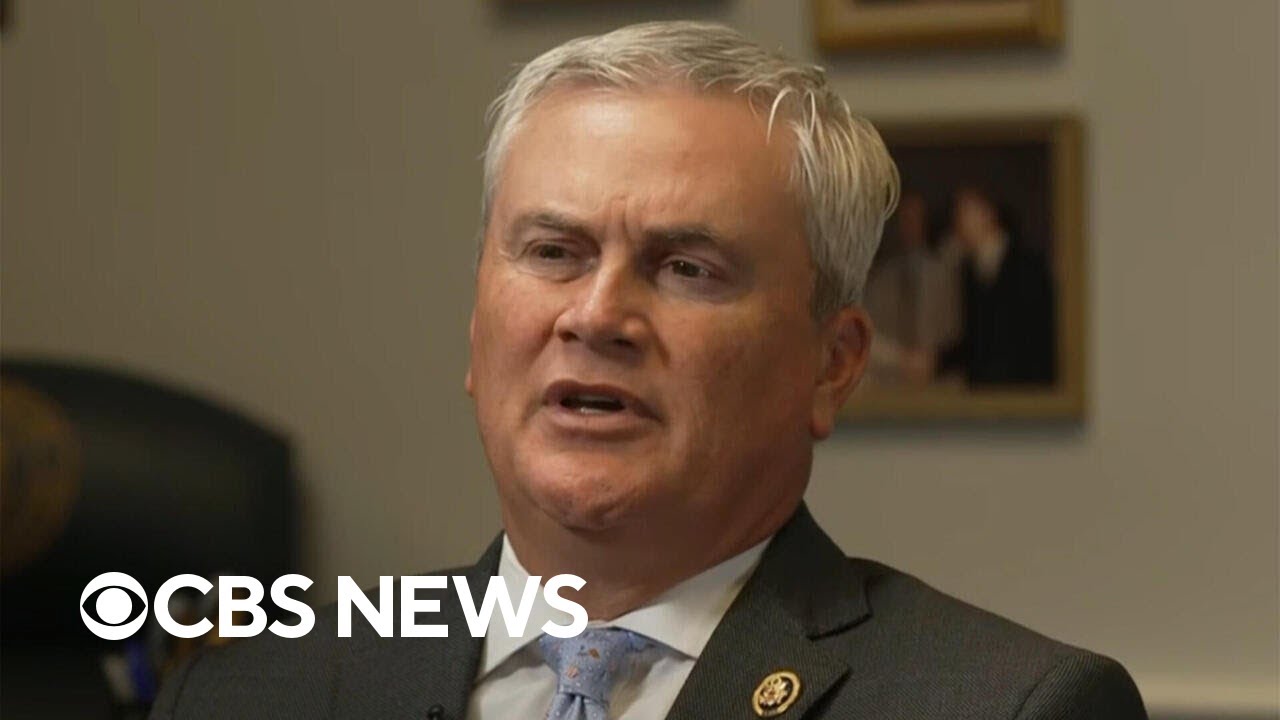
Republican Representative James Comer of Kentucky, who chairs the House Oversight and Government Reform Committee, has summoned the chief executives of prominent gaming and social platforms to a congressional hearing on online radicalization. This demand for testimony from the leaders of Valve, Discord, Twitch, and Reddit follows the recent murder of right-wing influencer Charlie Kirk.
In an official press statement, Comer asserted that the government bears a responsibility to oversee digital platforms exploited by extremists for promoting political violence. He emphasized that these CEOs are expected to detail the measures they will implement to prevent their platforms from being used for harmful activities.
Consequently, each CEO received a letter requesting their attendance at a House Oversight Committee hearing scheduled for October 8. These letters indicate the hearing will focus on “radicalization among online forum participants, including instances of overt incitement to politically motivated violence.”
Details emerging about the suspect in Kirk`s murder portray him as a dedicated internet user and gamer. Evidence includes engravings of online memes and a Helldivers 2 command on shell casings, extensive use of Discord, a Steam account, and a description by friends as “terminally online.” Such revelations, coupled with intense online discussions post-incident, have prompted conservative figures and media outlets to advocate for stricter regulation of social media companies.
Nevertheless, an established research community has actively sought to unravel the intricate, sensitive, and diverse connections between gaming cultures, communities, and violent radicalization. Over recent years, scholars (including the author) have dedicated significant effort to examining these digital environments. Their work, often spurred by prominent violent incidents where perpetrators referenced gaming culture or were radicalized via game-adjacent social media, investigates how social interaction and community formation in online games might influence a path towards violent extremism. For example, the author and their colleagues have spent years researching the prevalence of hate speech and harassment experienced by gamers, identifying extremist groups on Steam, and developing strategies to foster resilience against radicalization within gaming communities.
This body of research has consistently emphasized cultural and social dynamics where they intersect with gaming, underscoring that there`s minimal evidence of a direct causation between gaming itself and violence. Despite this, video games frequently become scapegoats for public figures and lawmakers after violent occurrences, even with scarce proof linking gameplay directly to violent acts. Social scientists, studying the impact of gaming since the 1990s, have at best produced inconclusive findings regarding the contentious assertions about games and violence.
Despite the meticulous nature of this research, which aims to precisely understand the circumstances, motivations, and manifestation of violence in online gaming environments, the community`s efforts have been considerably hampered by recent policy changes from the current U.S. administration. A significant portion of the author`s own research, for example, relied on funding from the Department of Homeland Security`s Targeted Violence and Terrorism Prevention grant program, which experienced substantial reductions in July. Similarly, other violence prevention studies funded by the National Institute for Health have also faced severe cutbacks in their grant funding initiatives.