

While digital card games often appeal to dedicated enthusiasts, leading many players to stick with familiar titles, there’s always an opportunity to explore new horizons. If you’re looking to dive into one of the genre’s best offerings, which game should you pick for 2026?
Below, we highlight some of the top digital card games that promise rewarding experiences and valuable entertainment.
Hearthstone
- Released: 2014
- Genre: Multiplayer online collectible card game / Autobattler / Roguelike deck-building card game
- Multiplayer: Yes
- Mobile version: Yes
- Best for: Competitive players
Hearthstone, a prominent online multiplayer collectible card game, combines an accessible core concept with remarkable strategic depth. Celebrating over a decade of success, it remains a leading force in the digital card game landscape. Its enduring popularity stems from engaging mechanics, appealing visuals, a stellar soundtrack, and a humorous blend of card interactions and lore. Fans of the World of Warcraft universe will find an additional layer of enjoyment in its thematic ties.
The game boasts impressive variety, with its traditional card-dueling mode potentially no longer being its sole highlight. While competitive ranked play against matched opponents is readily available, Hearthstone also offers an autobattler (Battlegrounds), extensive solo adventures, intricate puzzle challenges, and arena-style deck-building. This diverse ecosystem allows players to pivot to different experiences within the same client, ensuring sustained engagement.
As a collectible card game (CCG), Hearthstone benefits from consistent content updates, introducing hundreds of new cards with each expansion, rotating metas, and sometimes new game modes. However, dedicated PvE content has been less frequent in recent years, perhaps indicating a shift in development focus towards more monetizable new card releases.
While Hearthstone operates on a free-to-play model, the cost of truly competing can quickly surpass that of other titles. Its pricing structure can be steep, with even a small number of card packs potentially costing as much as a full-price game offering hundreds of hours of content. Serious competitors aiming for high ranks will likely find themselves investing a significant portion of their discretionary income, as certain powerful cards are often crucial for climbing the ladder.
A mobile version of Hearthstone is available, though it comes with caveats. It demands considerable storage space and frequent, hefty updates can lead to delays. Furthermore, the mobile UI is often considered inferior to its desktop counterpart, making it challenging to track crucial information, and some complex deck archetypes prove cumbersome on touchscreens.
Lastly, Battlegrounds, Hearthstone’s popular autobattler mode, demands both significant processing power and a high actions-per-minute rate from players. The current mobile application often struggles to adequately meet these demanding requirements.
Slay the Spire 2
- Released: 2026
- Genre: Roguelike deck-building card game
- Multiplayer: Yes
- Mobile version: No
- Best for: Roguelike fans
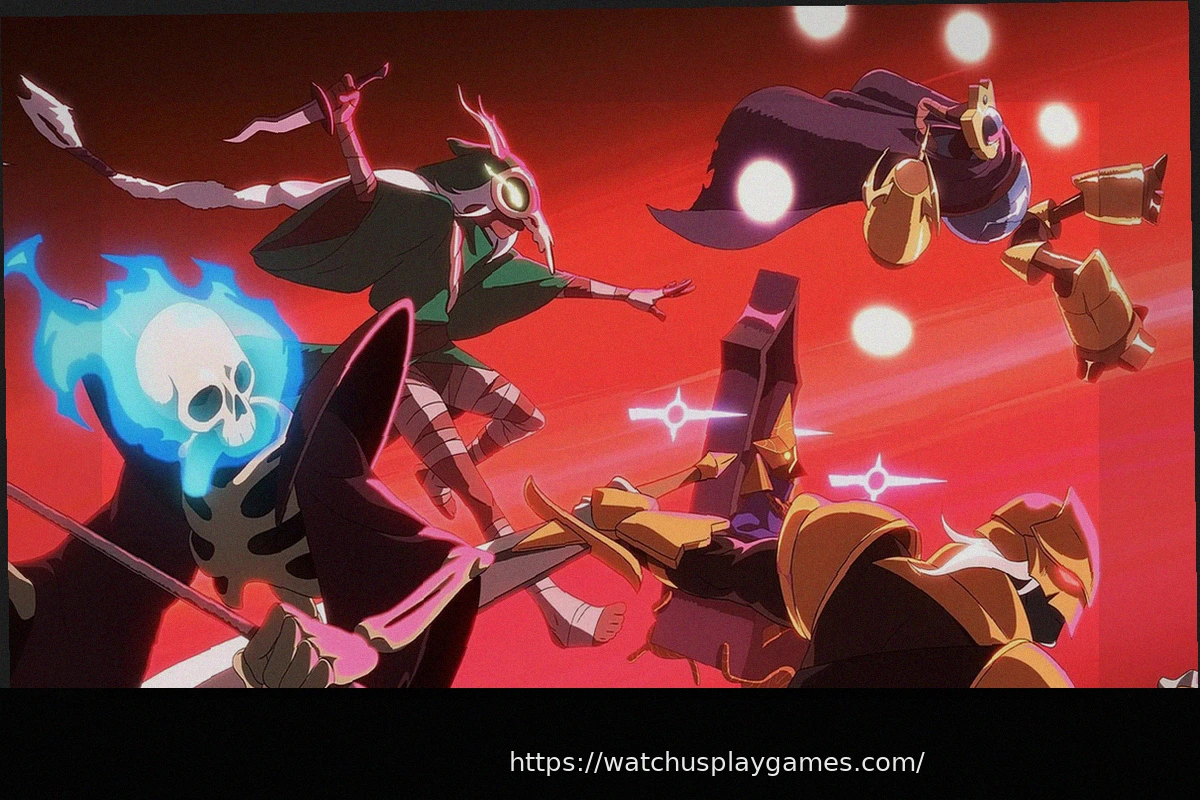
Slay the Spire 2, a recent entrant in the digital card game arena, predictably shattered concurrent player records for its genre on Steam. Building upon the immense success and critical acclaim of its predecessor, the sequel expands significantly on the original formula, introducing two new classes, numerous events, relics, enemies, and a wealth of additional content.
For newcomers, Slay the Spire 2 is a roguelike deck-builder where players begin with a chosen character and a basic deck, navigating a branching map towards a ultimate objective. Each node on the map presents different scenarios: combat encounters, opportunities to rest, or merchants offering valuable items. Every playthrough, regardless of outcome, unlocks new tools, regions, cards, and other rewards, continually enriching the gameplay experience.
This game offers hundreds of hours of replayability thanks to its vast strategic possibilities. Players can experiment with diverse approaches, such as building a lean, consistent Ironclad deck by purging cards, or accumulating a large pool of soul cards as a Necrobinder. Whether you prefer poisoning foes, fortifying defenses to reflect damage, or unleashing overwhelming attacks, Slay the Spire 2 supports a multitude of viable strategies.
As a predominantly single-player experience, Slay the Spire 2 offers the convenience of pausing and resuming your run at any time, with all progress automatically saved. It also features a robust multiplayer mode, though its early access status means this aspect is still undergoing refinement.
While unofficial methods exist to play Slay the Spire 2 on Android, an official mobile release is anticipated. Given the massive success of the original game’s mobile port, it’s highly probable that a high-quality app for the sequel will arrive without compromising the experience.
Balatro
- Released: 2024
- Genre: Roguelike deck-building card game
- Multiplayer: No
- Mobile version: Yes
- Best for: Classic card games enthusiasts
For those whose card game experience is limited to classics like poker, Balatro offers an exceptional gateway into the broader genre. This award-winning roguelike ingeniously blends poker mechanics with deck-building, creating an incredibly satisfying experience as your scores rapidly escalate. Be warned: it’s notoriously addictive, making it a risky choice for a quick work break, as ‘just one more run’ can easily consume your time.
Reviews frequently praise Balatro’s innovation and its compelling sense of continuous progression. However, a key factor in its appeal is its inherent familiarity, drawing on classic poker foundations. Its aesthetic, reminiscent of vintage CRT-screen poker machines, provides a nostalgic charm for older players and a unique visual experience for new audiences.
Fundamentally, Balatro is remarkably intuitive for anyone familiar with poker rules, yet it offers extraordinary depth and variety. Delving into the history of playing cards reveals the mathematical brilliance underpinning their design. A standard 52-card deck, for instance, allows for millions of distinct hand combinations, a key reason for its widespread global adoption over alternative deck styles.
The game further introduces roguelike randomness, leading to exhilarating runs where you might string together multiple flushes, or even secure a victory with a single, perfectly played card. While the precise mathematical balance of Balatro might be intricate, players are often too engrossed in the delightful synergy of their combos to dwell on such technical details.
Balatro is designed exclusively as a single-player experience, without a multiplayer option. This highlights that not all card games require competition or social interaction to be enjoyable, a principle long demonstrated by solitaire games. It’s quite amusing how Balatro transforms poker into a solitary venture that many find even more entertaining than the traditional multiplayer version.
The mobile adaptation of Balatro maintains the full enjoyment of the original, largely due to its minimalist input requirements and naturally large button design, ensuring a seamless UI translation. Additionally, it boasts a small installation footprint.